
chemistry

We need to start talking more about ocean acidification
March 18, 2022By: Luke Faulks, Staff Writer Oceans are one of the planet’s largest carbon repositories, after forests. Largely thanks to phytoplankton, oceans absorb roughly a quarter of CO2 emissions every year. However, excess emissions caused by the burning of fossil fuels are changing the chemical make-up of the seas. This “ocean acidification” is an issue that’s occurring out of sight and mostly out of the public’s attention. That needs to change. Ocean acidification is a process making oceans more acidic, due to the absorption of CO2 into water. Since 1850, the ocean has become 26% more acidic; a shift so fast and…
Continue reading
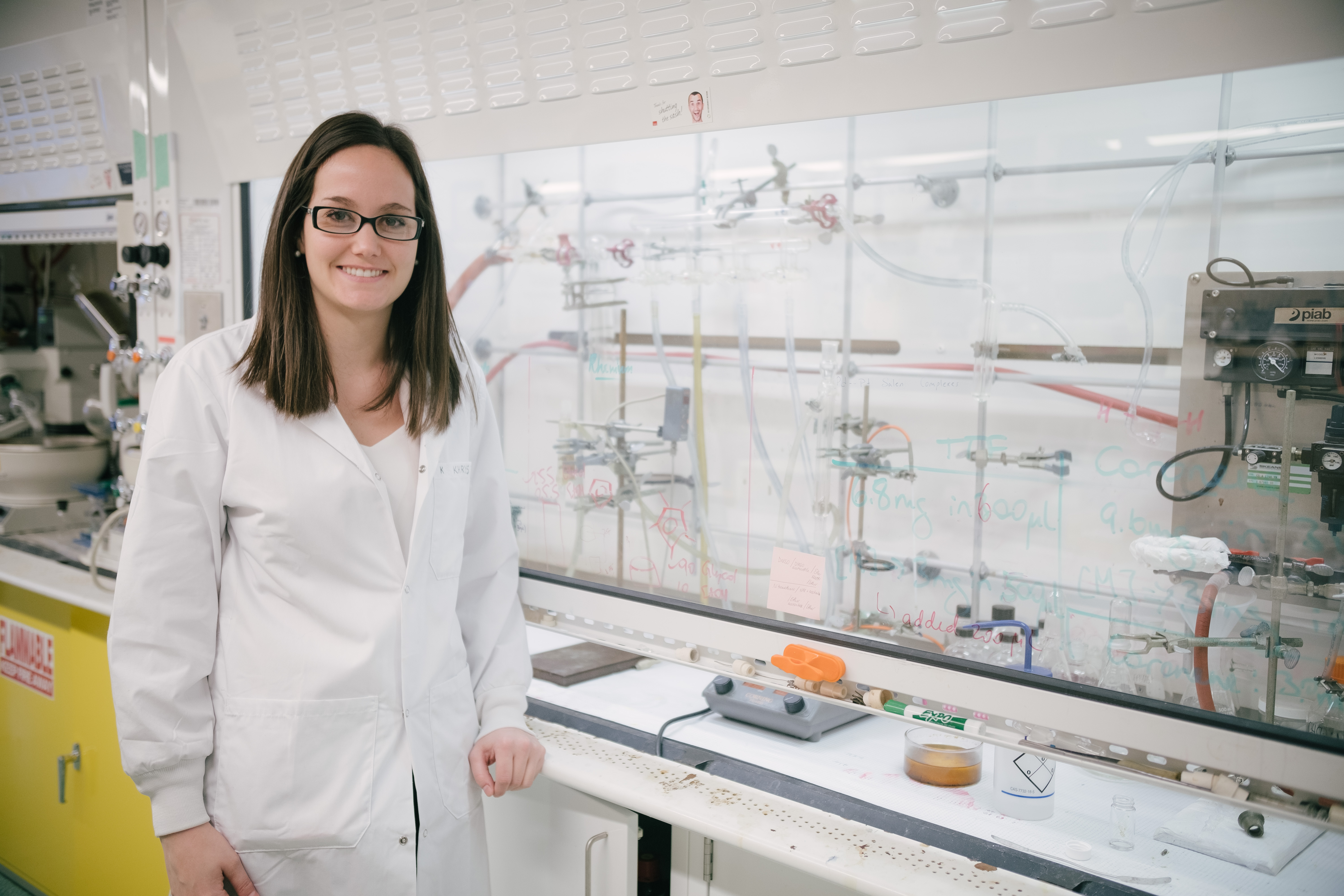
SFU graduate student helps fix cancer-fighting protein
April 4, 2019Written by: Youeal Abera, News Team Member An SFU chemistry graduate student and her team of chemists have found success in fixing the gene p53, a protein known to subdue tumours. According to SFU News, the p53 human protein is…
Continue reading
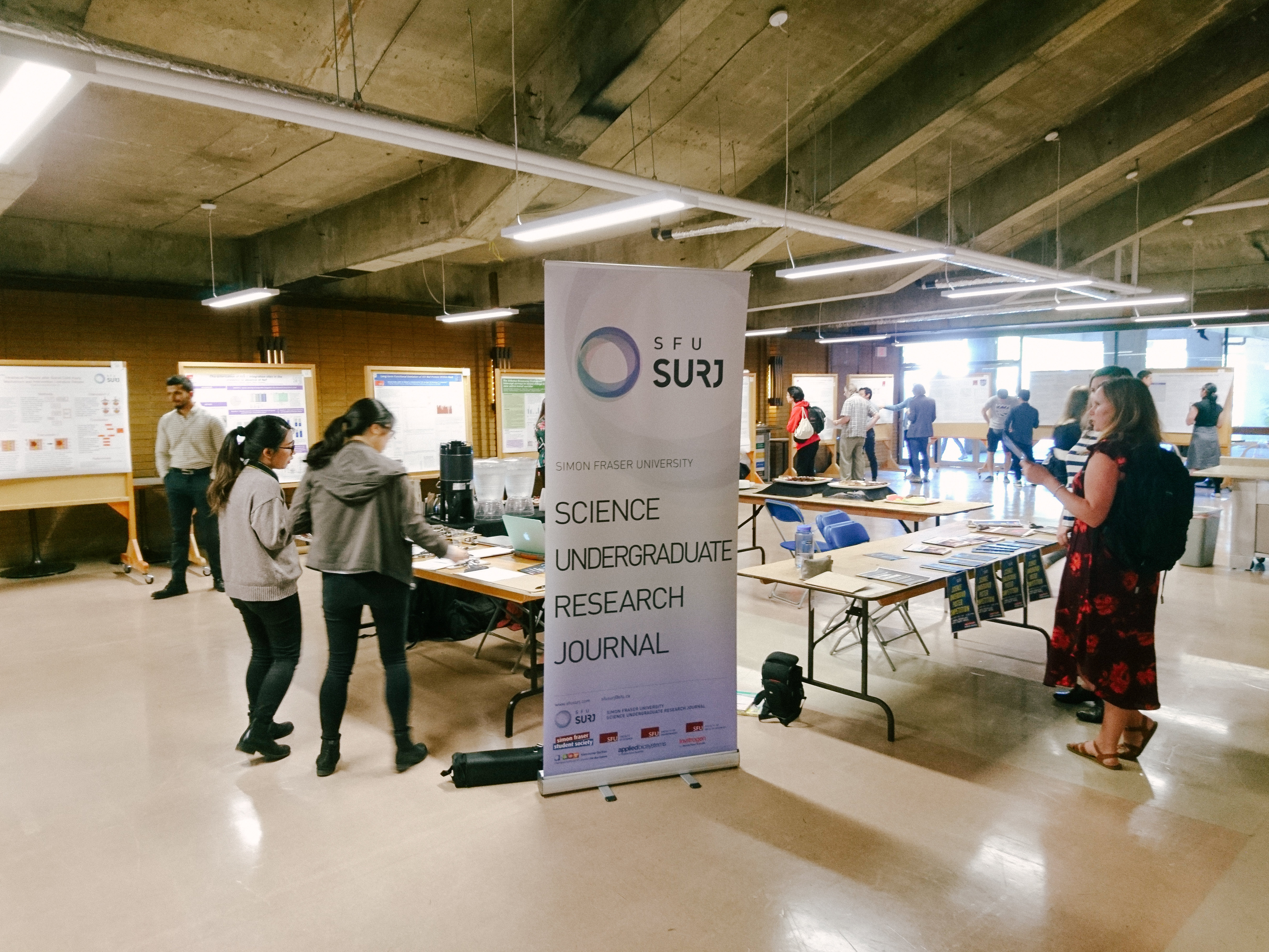
Competition gives undergraduates opportunity to present research to the SFU community
October 9, 2018rWritten by: Nathaniel Tok, Peak Associate Undergraduate students presented their original research findings to colleagues, graduate students, faculty members, and other members of the SFU community during the second annual poster competition of the SFU Science Undergraduate Research Journal (SURJ). Around…
Continue reading
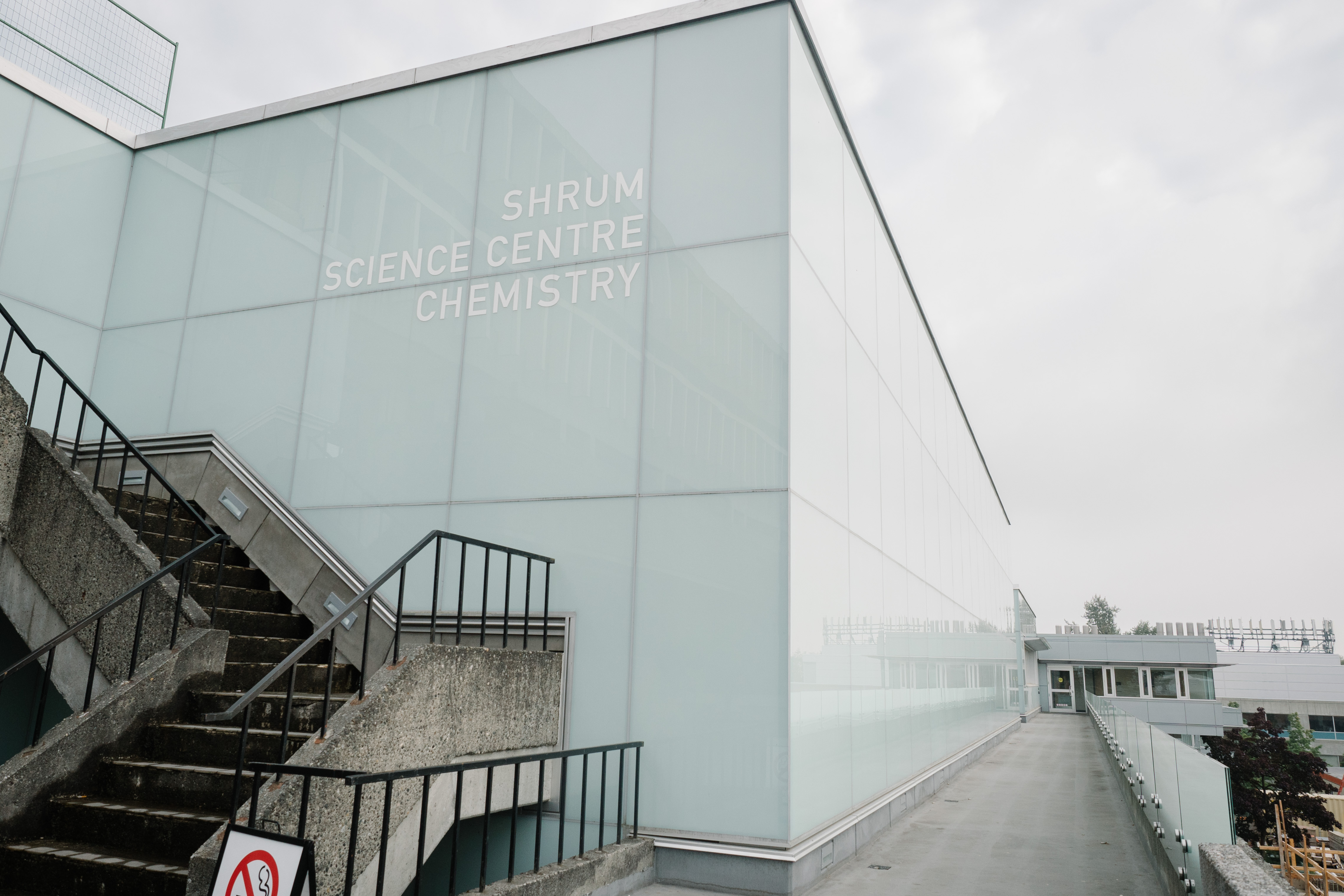
Shrum chemistry building achieves first sustainability gold rating on campus
September 13, 2017By: Gabrielle McLaren The Shrum chemistry building on SFU’s Burnaby campus was recently granted a gold rating in sustainability, making it one of the most energy efficient buildings on the Burnaby campus. The 50-year-old building went through intensive renovations which…
Continue reading


