A quick lesson on getting involved with us here at The Peak!
Created by Brandon Hillier and Freya Olson


A quick lesson on getting involved with us here at The Peak!
Created by Brandon Hillier and Freya Olson
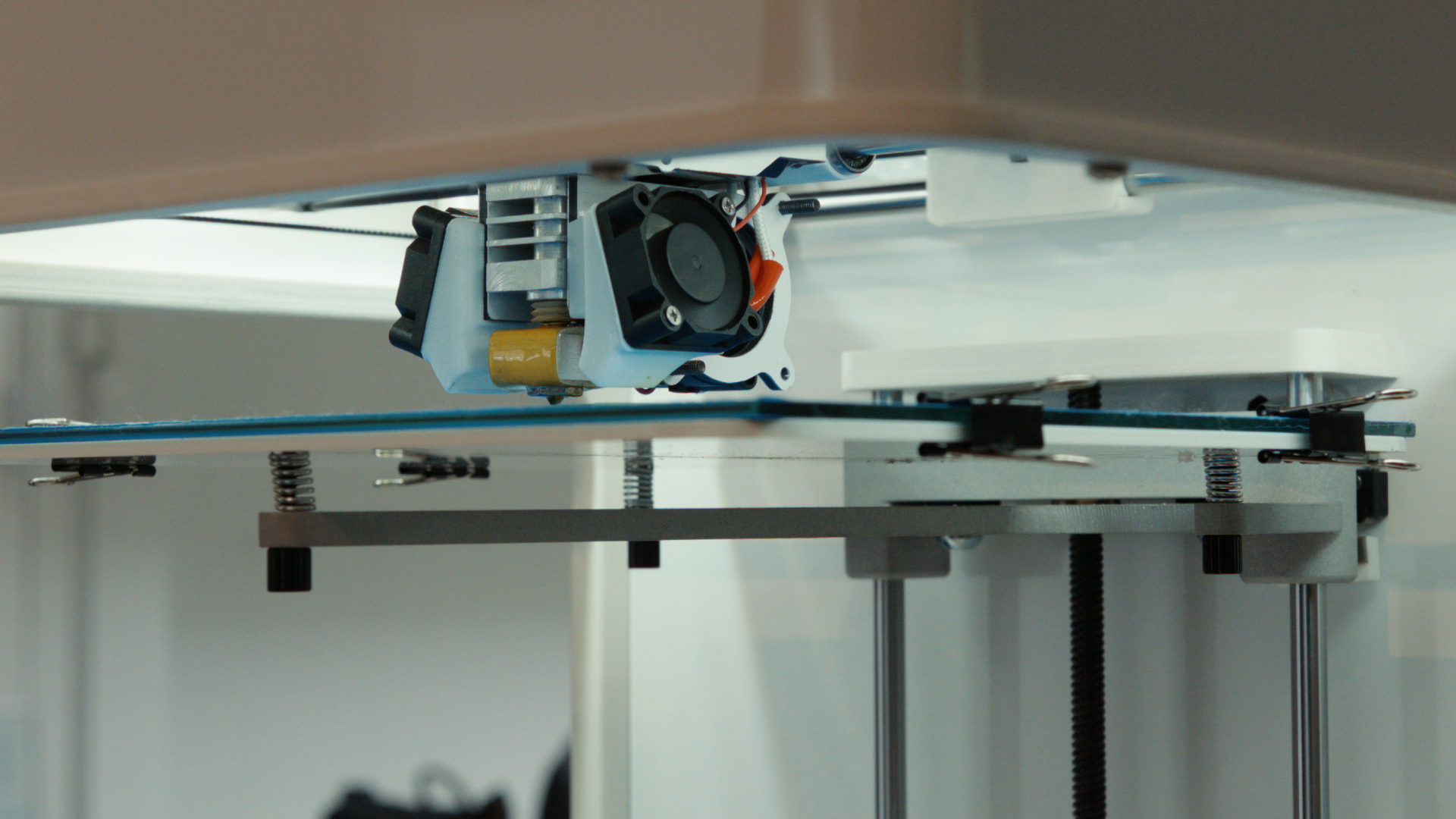
We chat with Eugene Suyu, former SFU SIAT grad, who recently launched an affordable 3D Printer through his company Tinkerine.
For more information, check out our article at:
http://159.203.128.194/2014/05/sfu-grad-launches-vancouvers-first-affordable-3d-printer/
Created by Brandon Hillier
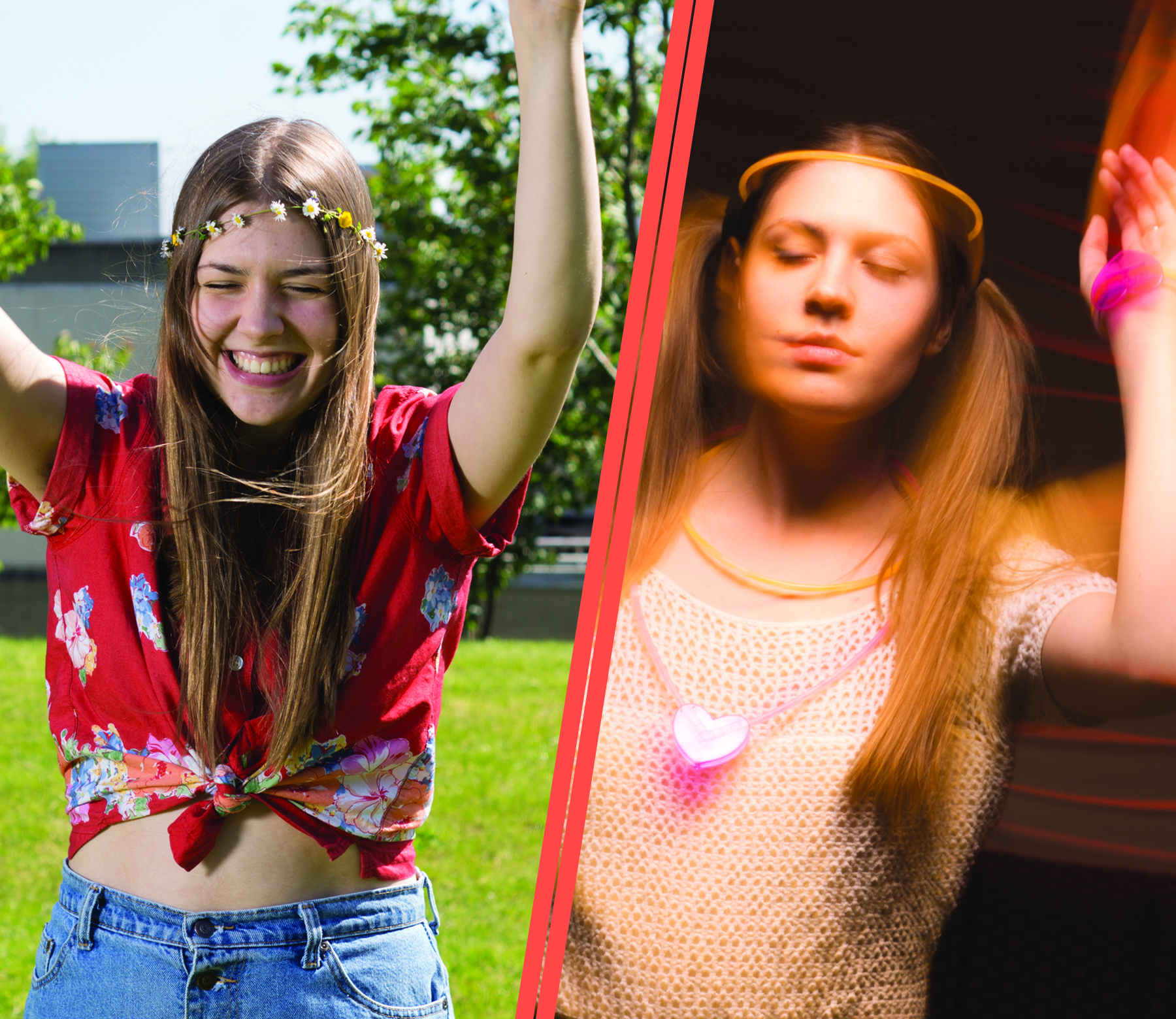
 Following the popularity of last year’s SFSS concert events, this year’s board of directors is bringing not one, but two competing concert proposals to the table.
VP student services Zied Masmoudi was the first to bring forward a motion to approve a 2014 Fall Kickoff event, as well as to appoint himself as the project lead.
Masmoudi’s event, the 2014 Fall Kickoff, would occur on Friday, September 12, from 6:00 p.m. to 11:00 p.m. in Convocation Mall. Based on four pillars of financial and social efficiency, sustainability, accessibility, and diversity, the event would feature different kinds of music: one, to be decided based on public desire, cost, and production means; the second, electronic dance music (EDM), which would be played later in the evening.
The proposed budget for the event totalled $76,250, with $35,000 allotted to headliners and artists. It also suggested that revenues would total at least $77,000, with an expected crowd of 1,700 to 2,000 people.
When asked where the money for the concert would come from, Masmoudi suggested that they borrow from other funds and return it after earning sponsorships and revenues.
The board decided to table Masmoudi’s motion, electing to listen to the other proposal from VP student life Kayode Fatoba before coming to a conclusion.
The other proposal in question is Culture Kickoff Fest 2014, which Fatoba pitched as a concert, but also tied into other facets of SFU culture such as Build SFU, the bookstore, and the various clubs and DSU’s on campus. “This isn’t just about a diverse genre, but enhancing the event to have more attractions,” Fatoba explained in the proposal.
The event would also feature sports activities, activities in the AQ, food trucks, and games such as “Pie your prof!”
The proposed budget for the Culture Kickoff Fest 2014 is $68,427, with $33,500 allocated for artists from different genres. The estimated revenue is $140,500, with $63,500 expected from ticket sales.
Although both presenters reiterated that neither proposal was set in stone, discussion quickly became heated. Not alone in her confusion was Chardaye Bueckert, SFSS president, who said, “I’m a little taken aback that [the proposals were] never mentioned until now, considering it’s such a large endeavour.”
VP university relations Moe Kopahi immediately brought up his concerns, suggesting that the executive members had not followed proper procedure in pursuing their concert proposals. “I’m going against any proposal coming to me here because board should not be dealing with this right now. We have a committee for it, the [events] committee should take care of this stuff,” said Kopahi. “This is a waste of board time.”
Furthermore, Kopahi asserted that those involved had already begun contacting university officials, for which they had not been given a mandate. Masmoudi explained that, since the events committee had failed to meet, he had taken the initiative to begin planning because “these projects need to move as soon as possible.”
Kopahi continued, saying that the competition between the two proposals had resulted in mediocrity: “These two proposals are rushed. They’re rushed because they want to get to the table as fast as they can. To be honest with you, they both sucked. They both really sucked.”
In an attempt to bring both sides together, Kopahi put forward a motion that would task Fatoba, Masmoudi, and himself to investigate hosting a large kickoff event in the fall. The motion failed.
The board also failed to come to an agreement as to which event to pursue, voting against Masmoudi’s motion in order to discuss for another week. When the meeting time expired, Masmoudi — along with other board members — refused to stop talking. He exclaimed, “This is bullshit!”
He then turned to Bueckert and said, “Point of order, you need to stop directing where the votes should go, and you need to stop making suggestions as to what we should vote for.”
Bueckert replied, “That is not a point of order.”
In an official statement sent to The Peak after the meeting, Fatoba, Masmoudi, and VP external relations Darwin Binesh explained, “The next step is not finding a ‘compromise’. It is about finding the most efficient way of allocating the board’s resources, to best provide the intent of both proposals to our membership.”
“The discussion was never about choosing one side or the other as an ultimatum,” the statement read.
Both proposals will be brought back to board on Tuesday, June 3, to be discussed further.
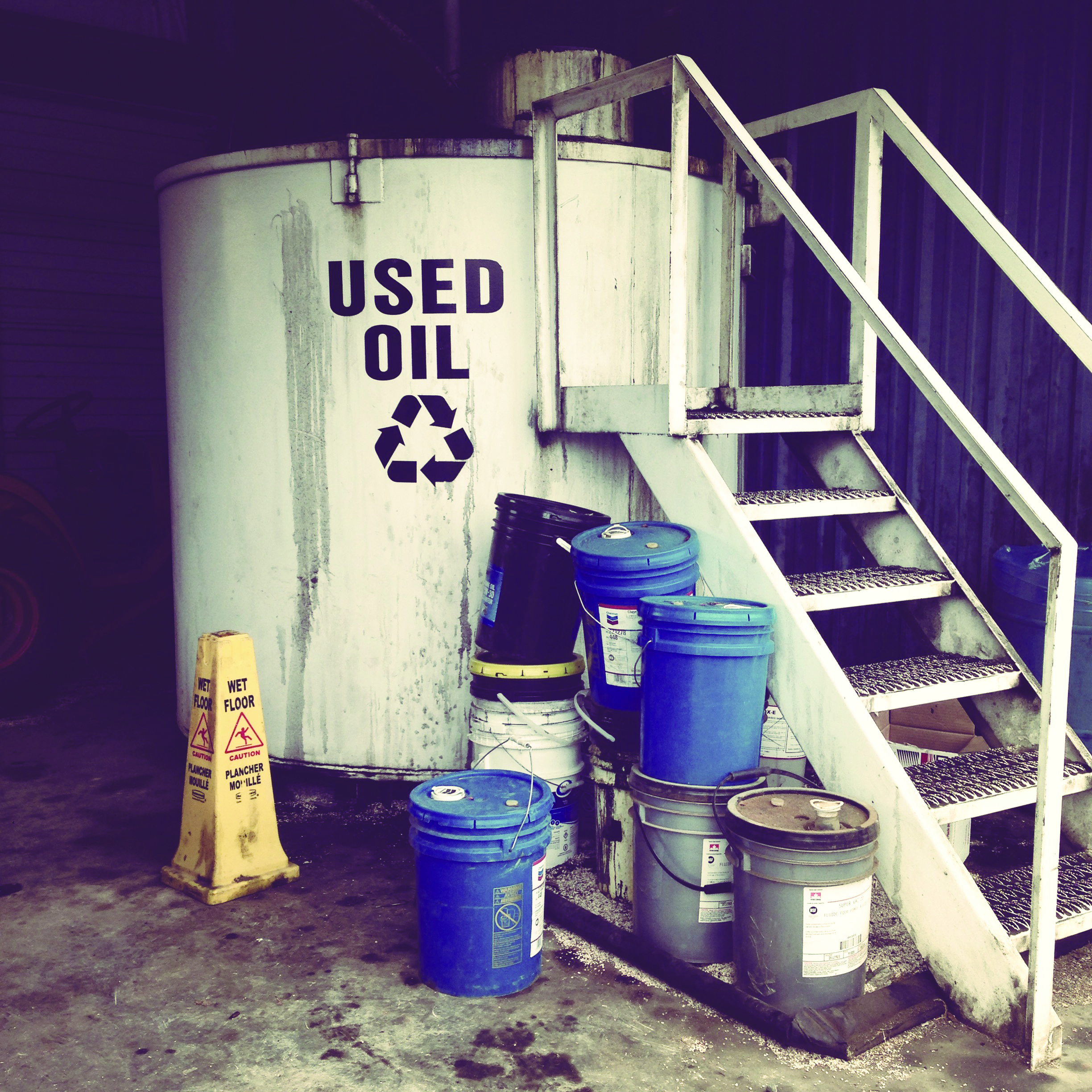

This summer, four SFU communications students are taking a trip around the province to advocate for more sustainable practises.
The BC Used Oil Management Association’s (BCUOMA) Summer Ambassador Tour has sent the co-op students in teams of two on a 17-week endeavour to raise awareness on how to recycle as many things as possible.
On the tour — which began during the second week of May — the teams have been reaching out to different BC businesses, residents, and other industry associations to educate them about which materials can be recycled and how to dispose of them properly.
The first team is made up of Therese Mah and Susan Zhang and the second team, “Mo’ Waste, Mo’ Problems,” includes Tori Romano and Tiffany Lau. In a phone interview from Salt Spring Island, Romano and Lau shared their experiences so far with The Peak. Lau said that to her, it “seemed like a really meaningful opportunity,” since it gives her the chance to experience the beauty of nature while simultaneously working to preserve it.
For Romano, the main message she wants to get across is that everyone is capable of making a difference — and in ways they may not expect. “I think a lot of people don’t realize a lot of products they have and a lot of packaging they have can be recycled,” said Lau.
The two expressed that although it is their objective to educate the public, the tour has been a learning experience for them both. “We’ve learned a lot about what we can recycle, like old medication, car batteries, oil, and tires,” said Romano.
As a presentation tool, they bring along a few jars filled with material in its various phases of being recycled. The three jars show how oil goes from being used and dirty, to being cleaned, and, finally, how it is turned into small pellets that are sold to be used in plastic products. According to Lau, this helps to get people to be “enthusiastic about seeing what their products actually turn into after being recycled.”
They also offer retailers pamphlets and signage geared toward informing the public about what can be recycled at certain locations. This is meant to discourage people from dropping off materials outside after hours.
Despite the free service, many people are worried about being charged a fee for dropping off uncommon recyclable materials, such as used oil or antifreeze. This poses a problem to the organizations that accept them, because materials left outside are at risk of contamination.
One stop on their tour was a London Drugs in Duncan, which has its own recycling centre that accepts used batteries stored in sandwich bags. Some other highlights for the pair have been visiting places like Home Hardware or recycling depots, where mass amounts of recycled materials are accepted regularly.
Romano said they were encouraged by the energy of the people working in these places: “Everyone we speak to seems to be very passionate about what they do. It’s really great to see that, in general, people are just really enthusiastic about making this a big movement.”
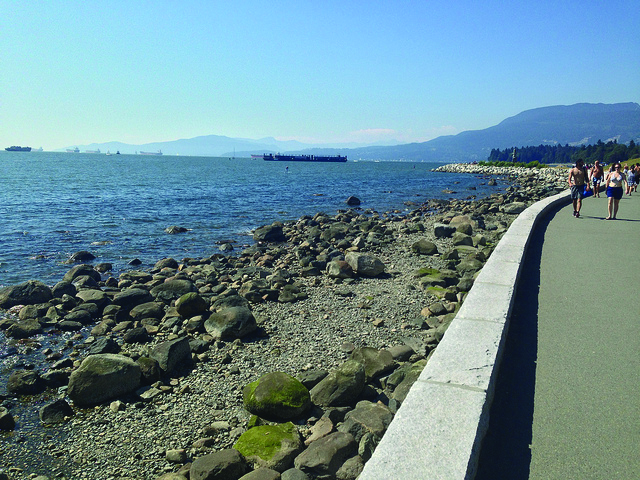

Rising sea levels are a global issue, but research shows the danger is greater closer to home.
Karen Kohfeld, SFU assistant professor and Canada Research Chair in Climate Resources and Global Change explained, “We can expect a global sea rise of 70 to 100 centimeters if we do nothing to change our carbon emission. If we do something about it, we can reduce it to about 40 to 60 centimeters.”
Vancouver is one of the more threatened cities, and mayor Gregor Robertson is calling for more aid from the federal and provincial governments to help save the coastal city from the impacts of rising sea levels.
According to Global News, a local study estimates $25 billion worth of real estate will be at risk from sea level rise in Vancouver by the end of the century.
“The low-lying areas will be most affected,” Kohfeld said. “If we look at just our global topography in places like Vietnam, any place that has a major industrial port by the sea, will be affected by this. The southern coast of North America and the east coast of North America will be affected.”
Preventative work is already underway in some places around the world. Kohfeld continued explaining that, for example, New York and Tokyo are likely to spend billions to erect dikes and other defenses.
However, not all cities can afford this. Kohfeld said, “[For] other places in the world, island nations around the globe, this a serious concern. Whenever we have international climate treaty meetings sponsored by the UN, the island nations are always there because part of the problem is it is not just looking out and seeing the sea level rise. It is that when the sea level goes up, and you have any kind of storm coming over top of that, that’s when you see the large problems.”
Recent findings have shown that a key glacier in west Antarctica is melting, which researchers suggest will contribute to an additional sea level rise that may reach a couple of feet in this century.
According to Kohfeld, the outlook seems bleak: “One of the studies suggest it is beyond the point of return for this particular glacier. The concern there is that where that glacier is located, it is kind of a lynch pin for all of western Antarctica, that ice sheet. The question is, ‘How stable is the ice sheet behind that glacier?’”
In particular, for BC, the extensive dike system would have to be modified. “If we are to account for a one metre sea level rise, one option would be to raise those dikes. That is very costly,” Kohfeld warned.
Kohfeld reflected on mistakes of the past and asked, “What should we have done already?”

This article was originally published by The Capilano Courier.
NORTH VANCOUVER (CUP) – “Twenty years from now if you enter the supermarket, you would have the choice between two products that are identical. One is made in an animal, it now has this label on it that animals have suffered or have been killed for this product. It has an eco text because it’s bad for the environment and it’s exactly the same as an alternative product that has been made in a lab. It tastes the same, and is the same quality; it has the same price or is even cheaper.” – Dr. Mark Post
There is a large disconnect between the meat we purchase at the grocery store and the process by which it got there, neatly wrapped in Saran and Styrofoam. Meat consumption worldwide has increased considerably over the past four decades, making sustainability of livestock systems a growing challenge. The average Canadian consumes upwards of 137 pounds of red meat and poultry per year, an average of 100 grams per day. Yet the harrowing truths of the economic impact of modern commercial agriculture rarely make headlines.
“Around the world, millions of people don’t get enough protein,” explains nutritionist Albina Beresnyeva. “Animal sources of protein tend to deliver all the amino acids we need — but people tend to forget that there are other sources like some fruits, vegetables and grains that can make up for a lack of meat.”
Aside from concerns over the right to kill animals for meat when less expensive and equally nutritious alternatives are readily available, a growing concern involves the resources that go into the production of a single meat product.
Cars and electric power are two culprits that are quickly pointed to when the discussion of greening our future is on the table, but the foods we eat — meat in particular — tend to slip by unaddressed. According to a 2006 report by the United Nations Food and Agriculture Organization (FAO), our meat-centred diets create more greenhouse gases, carbon dioxide (CO2), methane, and nitrous oxide in the environment than transportation or the electric power industry.
Our meat-centred diets create more greenhouse gases, carbon dioxide, methane, and nitrous oxide than the electric power industry.
And red meat has the worst reputation of all. Beef production produces 13 times more gasses and chemicals which lead to global warming than are emitted from poultry production. With current meat production levels contributing between 14 and 22 per cent of the 36 billion tons of CO2 greenhouses gases worldwide, the amount of energy required for one simple half-pound of ground beef is enough to make someone gawk — yet not enough to consider removing meat from their diet altogether.
Most people do not associate their store-bought steak with costs such as transportation, refrigeration and gas-guzzling farming equipment. The relationship people have cemented between themselves and a meat-based diet dates back to living in caves in fur pelt loin-cloths.
The business of eating meat has been evolving alongside the human race as it grows, and the demands flow and ebb. Humans have evolved to consume meat and the positives that have resulted from this relationship are notably profound. Meat has been a direct contributor to the increase in complexity and relative size of the brain as well as physical growth. The hunting and killing of animals, butchering and sharing the foodstuffs was a key in the development of human intelligence, and in increasing our brain size through the consumption of proteins.
Hunting and our inherent need for protein, in our earliest history, promoted the development of language and socialization — communication itself developed from our need for an ideally balanced diet. But in 2014, food farming has become a mega-industry and sustaining a healthy relationship with meat without compromising an already fragile environment has increasingly become a question of ethics.
With meat consumption on the rise, there has also been an increase in the mass-scale feed industry. More animals for slaughter means that a demand for the foods that feed them must also be met. Meat has thus become an environmentally expensive food. “A meat-based diet does require more energy,” says Beresnyeva. “Besides energy, meat proteins demand more land and water resources. So in many ways, a vegetarian diet would be more sustainable in an environmental sense.”
The meat industry requires resources such as grain, water, fertilizers, energy and fuel — cattle also demand large areas of land. With production trying desperately to meet rising demand, there is an overwhelming potential for a compromised final product. With the global population set to rise from seven to nine billion people by 2050, t the demand for meat is set to double.
The Moo Kid in Town
In 2008, Dr. Mark Post, a cardiovascular biologist from Maastricht University, began working on an unusual endeavour to find a scientific solution to the growing ethical debates on meat production. After five years, in August 2013 at a special event in London, the fruits of his lab work were brought to the table accompanied by a bun, sliced tomato and romaine lettuce: introducing the first in-vitro hamburger.
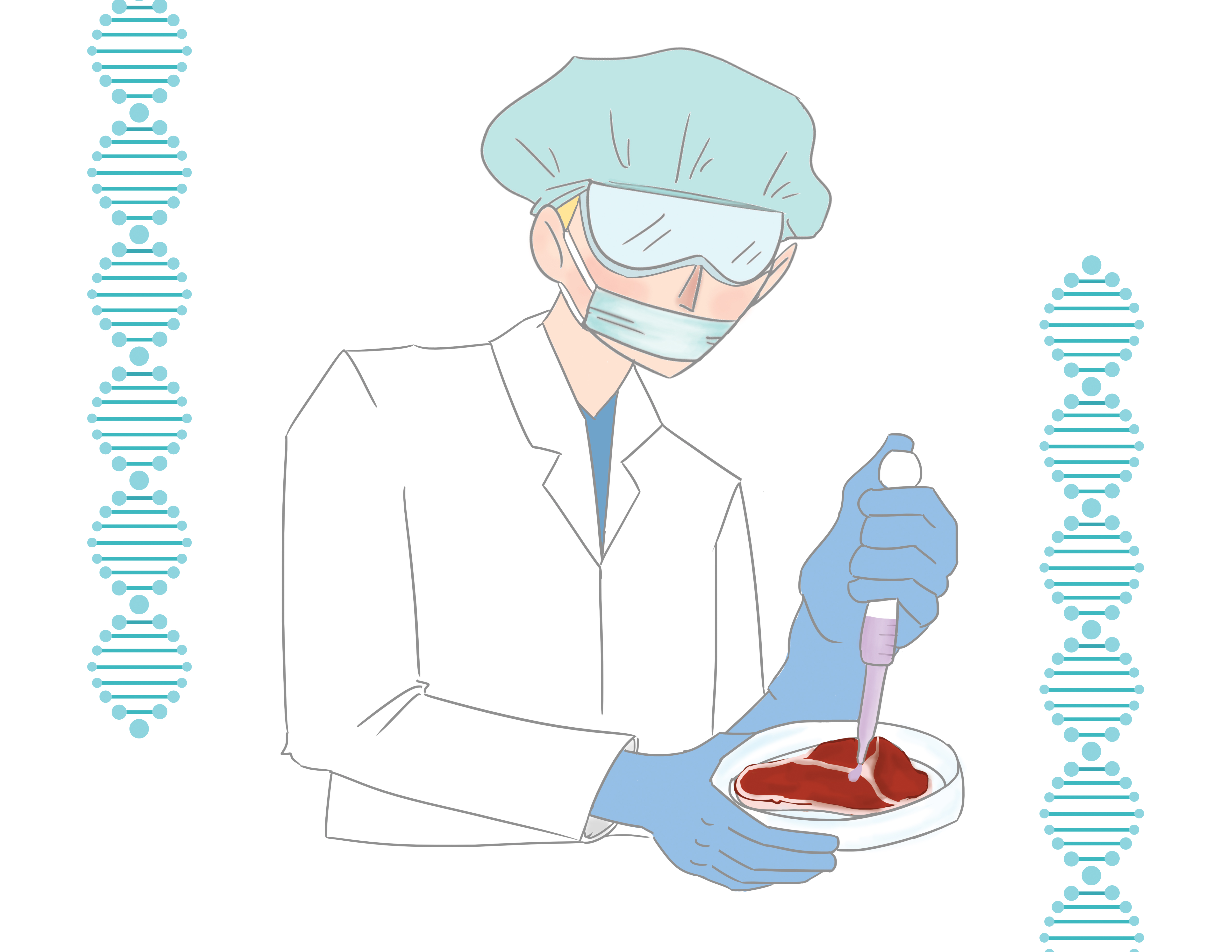
“Meat is muscle, muscle from an animal. By our technology we actually are producing meat — it’s just not in a cow,” he explained to CulturedBeef.net. Produced using stem cells — basic cells that can turn into tissue-specific cells — from cow shoulder muscle found at a slaughterhouse, the cells were then multiplied and placed in petri dishes where they would become muscle cells, slowly developing into tiny strips of muscle fibre.
Over 20,000 strips were used to make the five-ounce patty which was first tasted by Josh Schonwald, author of The Taste of Tomorrow: Dispatches from the Future of Food, and Hanni Rutzler, a nutritional scientist who has built up an international reputation for her research into eating and drinking as well as penning The Future of Food.
Although the burger was criticized as tasting dry, due largely to its containing absolutely no fat and falling short of flavourful, Schonwald remarked on the similarity to its traditionally farmed counterpart. “The mouthful is like meat. I miss the fat, there’s a leanness to it, but the general bite feels like a hamburger.” Receiving high marks from the test audience in achieving the appropriate burger texture, both tasters skipped the bun and fixings to get the full experience of the first lab-grown burger.
And scientists are not overly concerned about the initial criticisms on flavour. “Taste is the least [important] problem, since this could be controlled by letting some of the stem cells develop into fat cells,” explained Stig Omholt, director of biotechnology at the Norwegian University of Life Sciences.
Dr. Post, along with his team of scientists from Maastricht University in the Netherlands developed the burger with the hope that the ability to grow meat in labs could combat world hunger and climate change simultaneously.
“Instead of the millions and billions [of animals] being slaughtered now, we could just clone a few cells to make burgers or chops.” – Ingrid Newkirk, president of PETA
With a two year project dedicated to creating one beef patty, as well as required testing of the tissue, these could arguably be the world’s most expensive hamburgers. Sporting a price tag of $325,000, the creation was a landmark for the science community and the growing audience for a future of cultured meat.
National media dubbed the product the “Frankenburger.” The unveiling of an edible cow-free bruger brought in some surprising support from animal rights groups, including PETA. “As long as there’s anybody who’s willing to kill a chicken, a cow or a pig to make their meal, we are all for this,” said Ingrid Newkirk, PETA’s president and co-founder in an interview with CBC. “Instead of the millions and billions [of animals] being slaughtered now, we could just clone a few cells to make burgers or chops.”
The big reveal of the first lab-grown hamburger demonstrated that mankind can grow meat without the standardized system of raising, slaughtering and processing animals. The Dutch government originally funded Post’s program to produce the in-vitro burger, but by 2010 the initial grant had run dry, leaving a mysterious benefactor to step in to see the project to completion. During the London debut of the in-vitro burger, which may have been the main attraction, Dr. Post revealed the identity of the independent financial backer to an awe-struck crowd: Google cofounder, Sergey Brin.
“Sometimes a new technology comes along and it has the capability to transform how we view our world,” explained Brin. “I like to look at technology opportunities where the technology seems like it’s on the cusp of viability, and if it succeeds there, it can be really transformative to the world.
“There are basically three things that can happen going forward,” he continued. “One is we will all become vegetarian; I don’t think that’s really likely. The second is we ignore the issues, and that leads to continued environmental harm. And the third option is we do something new.
“Some people think this is science fiction, it’s not real, and it’s somewhere out there. I actually think that’s a good thing. If what you’re doing is not seen by some people as science fiction, it’s probably not transformative enough.”
Disturbed Culture
However, there is still something that seems unsettling about ingesting a food product made entirely in a lab, even if the final product is genetically identical to an animal product— it just came about through an entirely different, if not immensely more complex, process. What is disturbing is that humans are more easily off-put by a man-made product with the same nutritional value than by the conditions of the product before it is packaged.
Creating a meat product that can truthfully label itself “cruelty-free” is revolutionary. Although it’s still years away from being available on the consumer market, the debut of an in-vitro burger brings factory farming and animal cruelty back into the spotlight. “We have a vision in our minds of this pristine farm, a couple cows, couple chickens. But that’s not actually how meat is produced today,” said Brin. “When you see how these cows are treated, it’s certainly not something I’m comfortable with.”
Although moral views on killing animals are greatly divided, there is a general consensus that willfully causing something to suffer is evil. A future with the possibility of cultured meat being made available to the marketplace has the potential to replace old school livestock practices. Current meat production systems in North America have led to their fair share of unnatural problems including foodborne illness — removing the animal itself from the equation may leave some vegetarians morally at a loss. The manner in which we think of lab-grown food is what stands in the way of our appetite.
“In theory, it’s a much better quality burger. Once you get over the lab-grown gross factor, it’s actually quite exciting. No more ground up cow anus or testicle in your burger. Just lovely bits of muscle from an organic cow,” said Nathan Gray, a science journalist with FoodNavigator.com. A squeamish feeling still tends to linger when posed with a burger created in a petri dish by a scientist in a lab coat as opposed to a butcher in a blood stained apron.
The debut of an in-vitro burger brings factory farming and animal cruelty back into the spotlight.
There is an apprehension that is a basic human instinct. The concern about the hamburger, at its core, relates to whether or not it’s natural. Although nature is not always synonymous with goodness, what makes something “natural” is hard to define, much like something as abstract as human intelligence in nature. Human children are natural, but if they are born from in-vitro fertilization are they no longer considered natural? Defined as existing in or caused by nature, “natural” means something cannot be made or caused by humankind.
With science making leaps and bounds, the in-vitro burger being a prime example, the definition of “natural” itself may evolve. Arguably, creating cultured meat is less unnatural than raising farm animals in intensive farming confinement systems, injecting them with hormones, and feeding them artificial diets.
The “father of animal liberation,” philosopher Peter Singer, has praised the recent effort to produce cultured meat. “My own view is that being a vegetarian or vegan is not an end in itself, but a means towards reducing both human and animal suffering, and leaving a habitable planet to future generations,” said Singer. “If in-vitro meat becomes commercially available, I will be pleased to try it.”
Conventional meat grown within the animal itself is not always good for overall health; research has shown that being a regular meat eater can lead to heart disease and diabetes due to the saturated fatty acids. Post believes that cultured meat may have the potential to be better for us. “We gain greater control over what the meat consists of, for example its fat content,” said Dr. Post in an interview with The Atlantic.
The in-vitro hamburger stands as the realization of an potentially game-changing concept, and an exciting step towards the future of our foods. Made up solely of muscle fibre, the range of nutrients in cultured meat would be different from the conventional option. Dr. Post’s creation included no growth hormones, which have already been banned in the European Union but are still approved in Canada and the US; nor did it include any residue of pesticides, de-wormers or tranquilizers.
According to the US Food and Drug Administration (FDA), 72 per cent of antibiotic sales in the country are given to animals in factory farms. Yet there are still ethical implications to embracing cultured meat, due in large part to the controversial nature of using stem-cells.
The main concern is whether society itself is lsoing touch with nature. And surely there will be unexpected impacts caused by something as seemingly innocent as a five-ounce burger patty — yet there is an excitement when there can be outstanding positives to an industry that is struggling to meet demand which means compromised environments for both the animals and humans involved. That includes you.


A report from SFU’s Centre for Dialogue discusses how governments and communities should approach reconciliation of injustices.
The report sums up the findings of Reconciling Injustices in a Pluralistic Canada, a dialogue held on January 23, 2014. According to the media release, it involved “communities affected by a wide range of injustices, including Indian Residential Schools, the Chinese Head Tax and Exclusion Act, the Komagata Maru Incident, the Japanese Canadian Internment, the social and legal exclusion of LGBTQ Canadians, and Canada’s refusal of Jewish refugees from the Holocaust.”
The report discusses issues such as making clear “the intended beneficiaries of reconciliation [processes], as well as the groups that are accountable [to these beneficiaries],” the necessity “for the process of reconciliation to empower those who have been historically disempowered, and for society to recognize the historically harmful roles of power.”
Robin Prest, a program analyst with SFU’s Centre for Dialogue, was quick to state that the report is “not a cookbook.” He continued, “We’re really careful to be aware that every injustice is unique and every injustice requires a tailored response, but there are a lot of shared principles.”
According to the report, most participants viewed education as being essential to the process of reconciliation, stating that, “Participants wanted the full history and scope of past injustices to be acknowledged without revisionism.” It also stressed the importance of doing more than just apologising, and the importance of dialogue.
Prest said it does not matter whether it is the community or the government that brings up reconciliation, but he stressed that the process shouldn’t necessarily be a combative one. “Often in the past, it has been [with] heavy negotiations back and forth, and backroom deals. It should, in an ideal world, [. . .] be collaborative,” he said.
He also pointed out the government’s reactionary process, stating that many reconciliation efforts came after a lot of protest or even court cases, using the example of the Truth and Reconciliation Commission. “[It] has done tremendous work [. . . it] has been very effective in many ways but just the fact that it came out of a court proceeding rather than a voluntary process [. . .] is somewhat problematic,” he said.
Prest notes that while reconciliation of previous injustices is important, it is also necessary to stop current ones, such as the police handling of the Pickton case and the treatment of the LGBTQ community: “It’s important to make sure we’re addressing stopping injustice, because it’s difficult to talk about healing and talk about togetherness until we’ve actually made sure the injustice is finished.”
“This isn’t just an academic exercise to talk about injustices; it’s not just about things that happened 100, 200 years ago. [. . .] Canada will, in all likelihood, continue to experience injustices into the future, no matter how well intentioned Canada is,” Prest concluded. “We still need to look at this as something that is forward looking.”
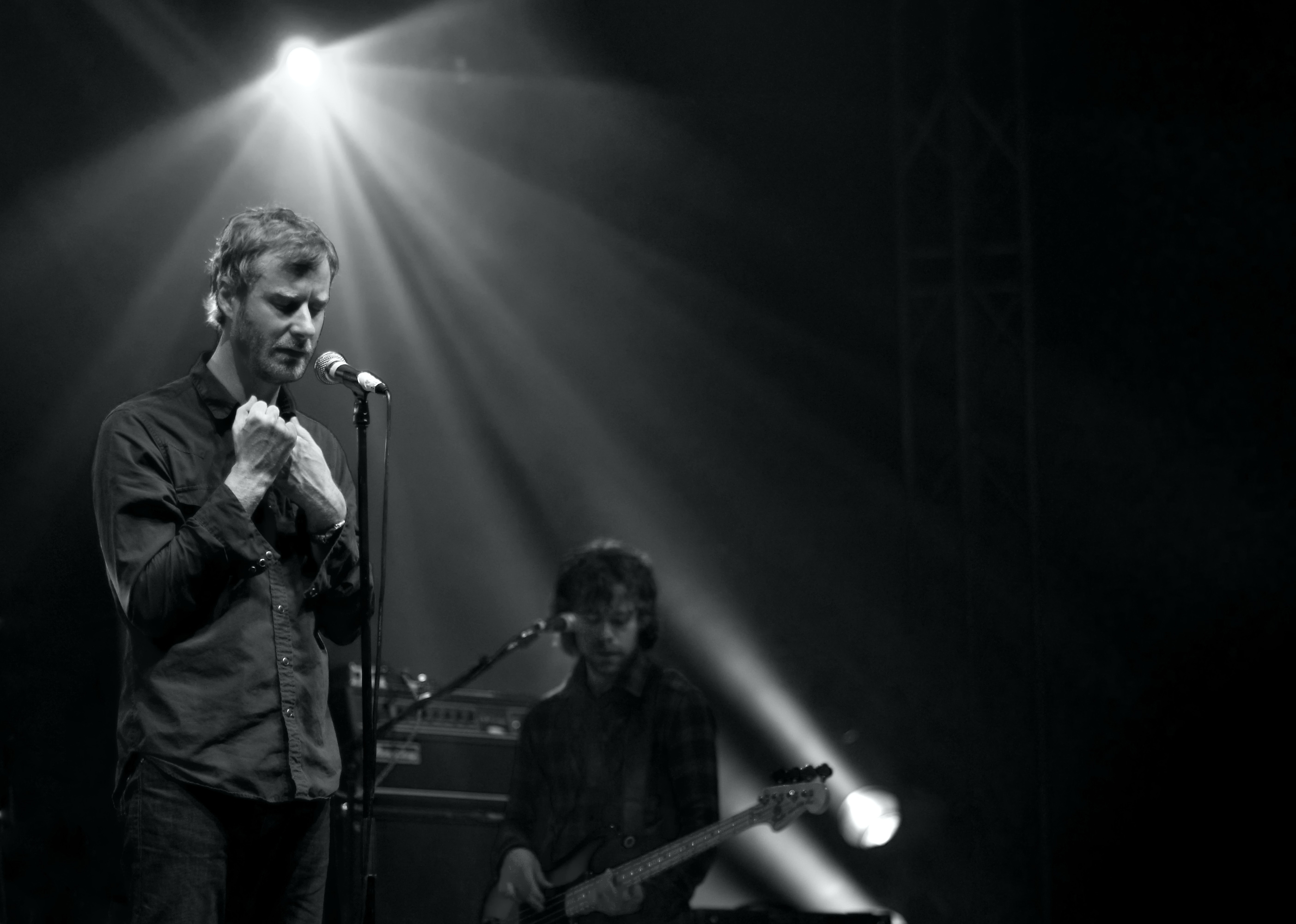

The Brooklyn based indie rock band “The National” is a band of brothers: Bryan Devendorf (drums) and Scott Devendorf (bass), as well as the two guitarists, Bryce and Aaron Dessner, who are twins. This leaves only the group’s lead singer, Matt Berninger, alone in a sea of sibling love. Or is he?
Many were surprised to learn, through the debut of the band’s first rock doc, Mistaken For Strangers, that Matt does in fact have a brother, a lovable and aimless one at that. Mistaken for Strangers showcases the two in a struggle between work and family, success and failure, self-doubt and perseverance, all while crammed together on a tour bus. It is a moving film of contrast and of unity.
Tom Berninger, nine years younger than Matt, can be described as a pizza dependent, metal loving, easygoing, slacker videographer and artist. He is all about drinking beer and having a good time, and stands in stark contrast to his suave older brother, the brooding front man of The National who has charmed the world with his dark and intricate lyrics paired with his baritone voice for decades now.
The juxtaposition between the two brothers is the backbone of the film, created by Tom while he was on tour with the band as (a disastrous) roadie. The film takes us through the tour experience from Tom’s perspective, who struggles with getting the job done (and eventually gets fired), with commitment and finding a purpose, and with the old familiar feeling of being the underdog.
The whole thing started when Matt invited Tom to come on tour with the band as a way to get him out of their hometown, Cincinnati, Ohio, where he was unemployed and living with their parents. Matt missed his brother, but also wanted to push him out of the unproductive slump he was in. There was talk about shooting footage, but nobody in the band ever really thought anything resembling a film would come of it.
This film is different from most other rock docs as it is very much focused on Matt and Tom’s relationship, and not on the rest of the band members, or the journey of the band itself. If you are as much a fan of the other members as I am, this can come as a slightly jarring surprise.
However, with this non-traditional focus, there is space for us to experience an unrivaled intimacy that could only be illuminated by a younger brother who has spent his entire life standing in the shadow of Matt Berninger.
It is touching to both hardcore fans and people who are hearing about The National for the first time, as it is an illumination of different humans trying to co-exist. In the words of Matt, it’s a film that “digs into the awkward truth of how we relate to each other.”

Musicians love to write about heartbreak, but Sharon Van Etten doesn’t just write about it; her music and her voice will make you feel the pain of a heartbreak with every note. She even captivated Justin Vernon of Bon Iver who covered one of her most heart-wrenching songs, “Love More,” from her album Epic. Van Etten stands alongside confessional female musicians like Lady Lamb the Beekeeper and Angel Olsen.
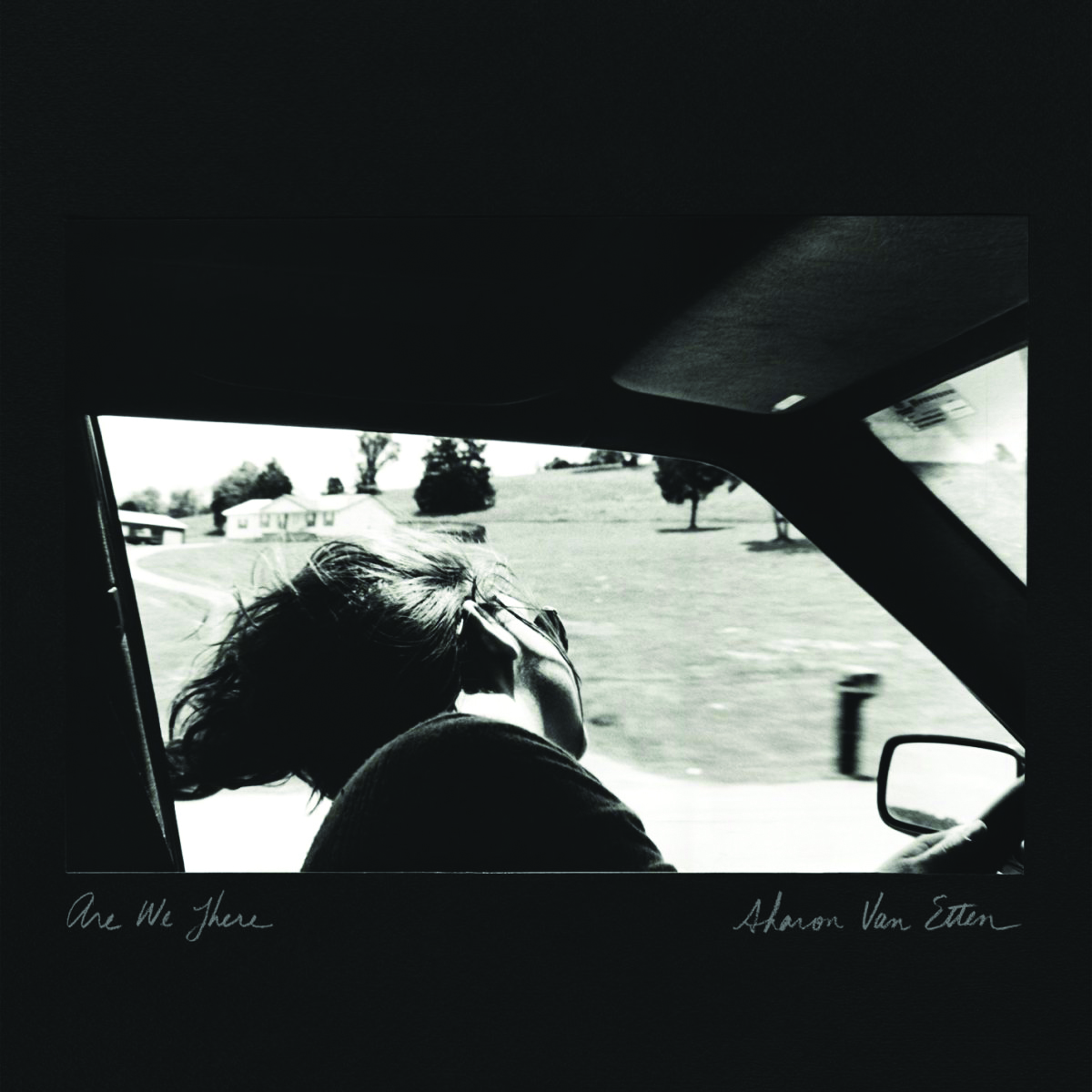
After releasing Tramp in 2012, the record that put her in the spotlight, Van Etten is back with her fourth album, Are We There. This record contains plenty of the raw honesty of her first album, Because I Was In Love. Are We There outshines her previous records with its sense of completeness, yet it still carries the melancholic aspect of her music.
Are We There opens with “Afraid of Nothing” which features a heavy, welcoming piano intro with swelling, wavy vocals that pull you in instantly. Van Etten’s musical exploration shows in “Taking Chances,” “You Know Me Well,” and “Break Me,” with drum loops, heavy guitar chords, and organ solos. “Every Time the Sun Comes Up” is also unique as it first emerged as an Omnichord demo.
The gripping and confrontational lyrics, the careful assembly of dense post-rock guitars, the agitated beat, and her hauntingly powerful voice in “Your Love is Killing Me,” create an emotional implosion where Van Etten lets all hell break loose. The record transitions to a mellow feel carried by her whispers that express screams in “Our Love,” along with the long piano pieces of “I Love You But I’m Lost,” and “I Know.”
Are We There celebrates desolation; the arrangement of music and Van Etten’s captivating voice create its dark spectrum. In the rawness of her lyrics, you can hear the struggle to find the balance of being true to yourself, in relationships as well as the world.

Beer and university go together. They just do. Who hasn’t stayed up late, pint in hand, cramming for a physics final or a history essay? And just try and tell me you’ve never shotgunned a can or two to celebrate afterward.
There’s a reason that college kids drink a lot — beer helps when it comes to making social connections, de-stressing, and having fun with your classmates. Some of the best friendships I’ve made at SFU have been struck over a couple of brews, and I’m sure plenty more will be in the future.
It’s not just the social side of university, either. Beer has been proven to help with your schoolwork; it lowers your focus, sure, but it also increases your capacity for creative thought and innovation, giving you the bright ideas that eventually turn into presentations and research papers.
And though I’ll be the first one to admit beer has its fair share of adverse health effects, there are plenty of positives to balance it out: it’s proven to be heart healthy in moderate doses, helps to lower your cholesterol, and can even stave off dementia and Alzheimer’s. In women, it might even lead to better overall cognitive function, according to the 2006 American Heart Association report.
So why doesn’t SFU have more beer on its Burnaby Mountain campus?
As the poet John Ciardi once wrote, “Fermentation and civilization are inseparable.”
Sure, we’ve got a bar. The Highland Pub, which has been around almost as long as The Peak, is actually a pretty decent watering hole. Hell, they’ve even got Driftwood’s Fat Tug on tap, one of the best craft beers in BC.
But let’s be honest: the food is subpar, the prices are nothing to write home about, and it’s been hemorrhaging student funds for years. It’s no Central City or Steamworks. Compared to its sister campuses in Surrey and Vancouver — both of which are surrounded by a wealth of great pubs and liquor stores — Burnaby just doesn’t cut it in the beer department.
Investing in more beer on campus isn’t just a good thing for students who are looking to take the edge off after a hard day of classes — it’s also an important step towards building the supportive student community that SFU sorely lacks. As the poet John Ciardi once wrote, “Fermentation and civilization are inseparable.”
More pubs and beer mean more get togethers, which means SFU students getting to know each other and striking up friendships. There’s nothing like a rowdy pub night to unite a group, and we all know that SFU is a few fries short of a Happy Meal when it comes to student solidarity.
SFU is a great school, but it’s got a reputation as a “commuter campus.” This is just a nice way to say that, once people’s classes are over, they just go home. Beer gives people a reason to stick around, and it helps foster an environment where people feel like they’re a part of something bigger than themselves. In a way that simply going to the same school never can, beer has the capacity to bring us together.
Okay, okay, I know I’m still talking about beer here. I don’t want to go overboard — for some, beer will never mean the same thing that it does to me. But I do think one of the first and most important steps towards turning SFU Burnaby into a more welcoming place for students, both new and old, is a little wheat, barley, and hops.
Now, who wants to split a pitcher?

Simon Fraser University’s independent student newspaper since 1965.
For advertising inquiries: [email protected]
For promotional inquiries: [email protected]

Simon Fraser University’s independent student newspaper since 1965.
For advertising inquiries: [email protected]
For promotional inquiries: [email protected]