Home Blog Page 1157

Sustainable SFU launches premium harvest box program

0

This afternoon, Sustainable SFU launched its newest local food program, the FarmCity Co-Op’s Community Supported Agriculture (CSA) Box, at Cornerstone Town Square on Burnaby Mountain.

The initiative offers SFU community members the opportunity to subscribe to a weekly delivery of seasonal vegetables from a new cooperative of Metro Vancouver farmers.

The premium package, priced at $42 per week, will include a diverse mix of veggies direct from nine Metro Vancouver farms. The box will also include honey and fresh cut flowers; Sustainable SFU explained in a media release that, “bees and pollinators are a key component of healthy food systems.”

Several years ago, students and faculty came up with the idea to host a pocket market on Burnaby Campus, intending to bring local food up the mountain. However, as Mike Soron, executive director of Sustainable SFU, explained, “the market struggled to gain enough customers and vendors to really be successful, so we wanted to think of new ways of bringing local food to the mountain.”

With that in mind, Sustainable SFU began looking for a new partner and found their perfect match with the FarmCity Co-op. This community of small farms in southwestern British Columbia upholds the importance of “environmentally, socially, financially and ethically sustainable farming practices,” which fits within Sustainable SFU’s mandate to pursue a sustainable future at SFU campuses.

“Local food is healthy, it’s seasonal, it’s sustainable,” Soron said, whereas importing food from places such as New Zealand and California requires large amounts of water, fertilizers, and pesticides in production as well as fossil fuels and energy in transportation.

“By having [food] grown more locally at small farms, the ecological footprint in getting it to your table can often be much much smaller than having it be grown elsewhere,” Soron said.

Sustainable SFU already offers two similar harvest boxes: the Value Box and the Local Box. For $8.50 per week, students can receive at least seven varieties of fruits and vegetables, although they may be sourced from international producers. The Local Box, priced at $15.75 per week, also includes at least seven varieties of local of fruits and vegetables, but is sourced mostly from local producers in the Fraser Valley Region.

Although the FarmCity Co-Op CSA Box is significantly more expensive than previous options, Soron said that they wanted to present an option, “for someone who wanted to go the full mile and really commit to community supported agriculture, to sustainably grown produce by local farmers that they could email and talk to and really get to know.”

He continued, “The new box that we’re introducing this year is a little more costly than a full subscription, but really does offer that premium full experience of being involved with the local food economy.”

The CSA boxes will be available on Wednesday afternoons starting at 3:00 p.m. outside of Cornerstone and will continue to be available into October. Distributors will be joined by FarmCity’s “Fresh Cart” market stand, which will act as a “mini farmers’ market” and will sell the same produce available in the CSA boxes.

Professors Read Mean Reviews About Themselves

2

We caught up with a few SFU professors and engaged in some good old fashioned self-deprecation.

Professors Read Mean Reviews About Themselves

1

We caught up with a few SFU professors and engaged in some good old fashioned self-deprecation.

Contact [email protected] for inquiries.

Song: “Travelling Made-up Continents” by Gillicuddy (http://www.gillicuddy.com)

Toy Story

0


Dildo. A word I heard for the first time on a tire swing in grade two. It was used as a personal insult by one schoolboy to another: “Dude, you’re such a dildo!” The word itself fascinated me because it was such an effective gibe — its built-in alliteration, minimal syllables, and ability to conjure images of both Dilbert and a do-do bird simultaneously. In my eyes, this playground bully was a comic genius just waiting to be discovered.

It wasn’t until I started to use the word against my brother at daycare that it was explained to me that the term I found so hilarious actually describes a sexual object, and is generally considered an inappropriate conversation topic for an eight year-old.

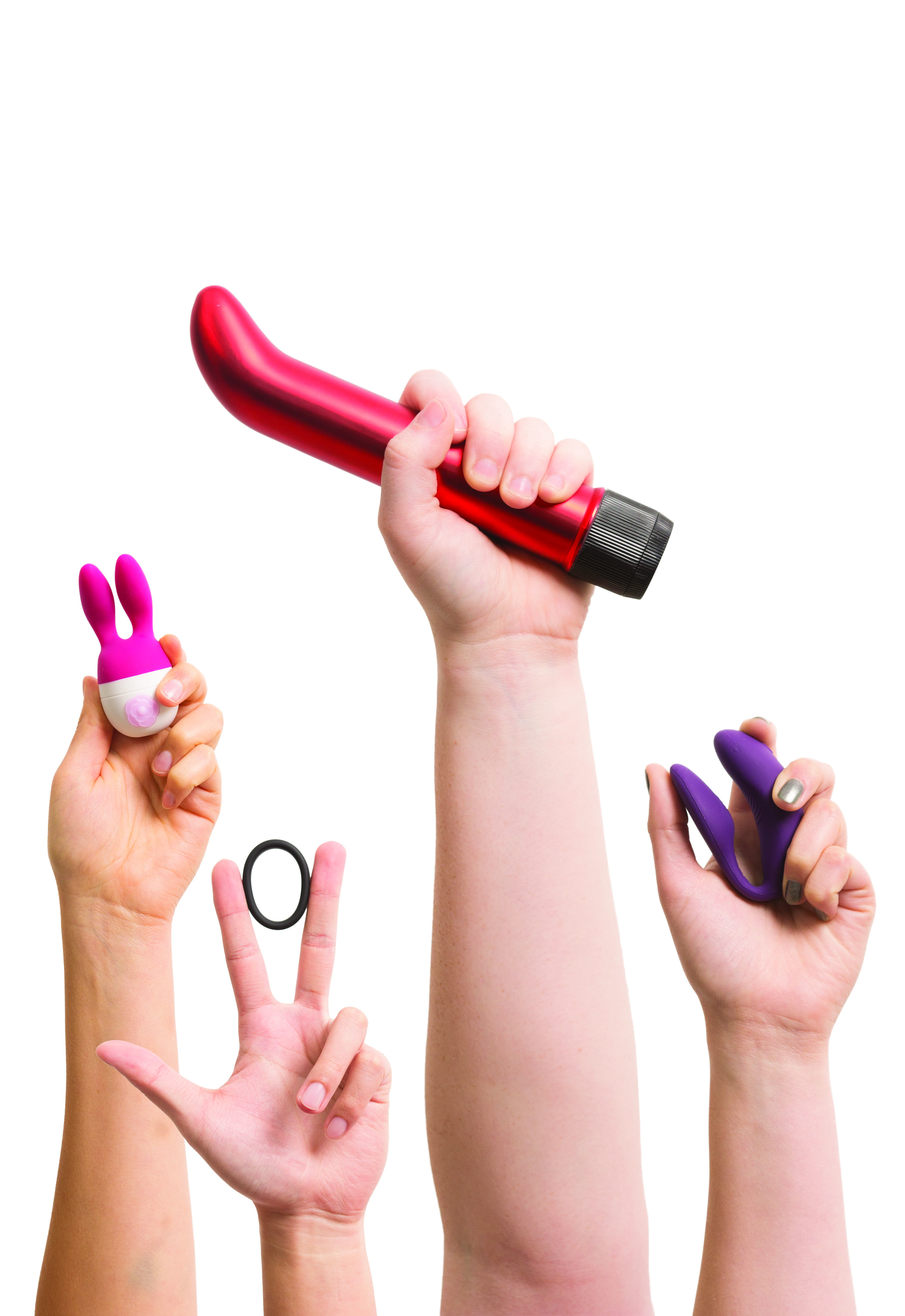
Nowadays, living in the Internet Age, it’s increasingly rare to meet someone who doesn’t know the meaning of the word dildo. However, for those of you who would like to get better acquainted with the dildo — and its cousins, the vibrator, the butt plug, and the cock ring — here is a little Sex Toy 101 list of definitions.

There’s a sex toy out there for just about everyone.

Dildo: A phallic object usually made of silicone that is used for stimulation and/or penetration. It may be strapped on or double-ended, and is sometimes designed to resemble a more lifelike penis. This toy is manual, which means that it keeps going until your wrist gets sore.

Vibrator: A vibrating object used to stimulate nerves, usually in the clitoris but can also be used anally. Some plug into an electrical outlet, while others run on batteries and can be waterproof. They come in many different shapes and sizes and some also function as a dildo.

Butt Plug: Shorter than a dildo and with a flanged end, it is designed to be inserted into the rectum. Can be made of latex, silicone, or glass, and when paired with plenty of lube, can be moved in and out or left in for longer periods of time. 

Anal Beads: Not to be confused with a butt plug, anal beads consist of multiple balls strung together. The beads are inserted into the rectum then removed (typically upon orgasm) at various speeds to enhance pleasure.

Cock Ring: Typically worn around the base of the penis to slow blood flow to prolong an erection. Not to be confused with a Prince Albert piercing, cock rings can also be worn to restrain the testicles — some even include vibrators.

Penis Sleeve and Fleshlight: A cylindrical device used by inserting the penis into it. Often modelled in look and feel after vulvae or anuses, these penile toys replicate the sensation of intercourse.

Pumps: Used to temporarily enlarge and increase blood flow to any body part with erectile tissue, such as the penis, nipples, or clitoris. The pieces include the cylinder, the pump, and sometimes a hose or a sleeve.

Sex Machines or Sex Furniture: Chairs, stools, blocks, benches, blankets. Sex furniture makes sex easier for people with limited mobility, or who just want to get off the bed for a change. Made of material that’s easy to clean, some sex machines also hold dildos or vibrators that make for a hands-free fuck.

BDSM or bondage toys: BDSM, which stands for bondage and discipline (BD), dominance and submission (DS), and sadism and masochism (SM), can employ any number of toys for erotic pleasure. Some examples include restraints (belts, collars, cuffs), floggers and crops (used for whipping or spanking), nipple clamps, gags, and electro pads. No vanilla sex here, no sir.

DIY sex toys: Anything already at home used for pleasure! Some examples include a massaging showerhead, a vibrating toothbrush, cell phone, pillows, couch cushions, and fresh fruit. But please, for goodness’ sake, be careful and stay safe.

***

The history of the sex toy goes back a lot further than you might think. The oldest dildo discovered by modern humans is a 20 cm polished stone phallus excavated near Ulm, Germany. This toy is about 28,000 years old, which means it was likely used by people in the Ice Age to warm up — if you know what I mean.

In the Middle Ages, a plant called the Cantonese groin was soaked in water and used to imitate an erection, then used as a dildo. Other plants, such as bananas, were also used in Polynesian countries; the Kama Sutra, on the other hand, makes reference to dildos made of tubular stalks or reeds.

The word dildo actually comes from the italian word diletto, which means delight. This word is surprisingly in stark contrast with the word most historically associated with sex toys in the Western world: hysteria.

The first person to classify this epidemic was the ancient Greek physician and philosopher Hippocrates, as he and many of his contemporaries believed that women suffered from a condition known as hystera (later hysteria) — named after the Greek word for uterus. The ancient Greeks thought of the uterus as an animal that wandered around inside a woman’s body, causing illness: a “wandering womb,” as they called it, could cause serious mental and physical problems.

The cure? Women were given olisbos — a phallic object usually made of leather, wood or stone — to soothe the beast within.

For centuries, hysteria was considered a medical condition in need of professional treatment, lest women fall into the moral sin of masturbation. The Hippocratic symptoms associated with hysteria included difficulty breathing, swallowing, anxiety, and fits; these all stemmed from an affliction known as “suffocation of the womb.” Its cure? Pelvic massage. (Wink wink, nudge nudge, say no more.)

The result of the prescribed pelvic massages performed by doctors was a “hysterical paroxysm” — what you and I would recognize as an orgasm. You know: cumming, the big O, la petite mort. Since clitoral stimulation didn’t require intercourse, in those days, it wasn’t considered sexual; it was purely medical.

By the 1900s, hysteria had become one of the most commonly cited medical illnesses — people were complaining of hysteric symptoms about as often as they were fevers. Naturally, calls for increased medical treatment increased, and the sexually repressive Victorian era saw an incredible influx of women seeking medical treatment by paroxysm. This treatment became tiresome for the wrists and fingers of most practitioners, and so machines were built to accommodate.

“The Manipulator” was one of the first vibrating massagers, patented in 1869 by American physician George Taylor. This large, wooden table was equipped with a steam-powered vibrating sphere, which the patient would lay on. While it was apparently invented to treat pelvic disorders, Dr. Taylor did warn against “overindulgence,” and prescribed that patients be supervised during its use.

Just a little over a decade later, Dr. Joseph Mortimer Granville patented the first electromechanical vibrator. This machine had a 40 pound wet-cell battery, so while it was technically portable, there was still plenty of room for improvement.

At the 1900 Paris Exposition, many new types of portable medical massagers were introduced — not long afterwards, the vibrator began to move slowly from the doctor’s office to the bedroom. Did you know that the vibrator was the fifth widely available electric home appliance in North America? That’s right. Preceded only by the sewing machine, fan, kettle, and toaster, it’s clear that these buyers had their priorities straight.

In the first two decades after the turn of the century, vibrators were advertised and sold as essential home appliances, mostly to housewives. This period saw the advertisement of products such as Dr. Macaura’s Pulsocon Blood Circulator (hand crank), Vigor’s Horse-Action Saddle (vibrating chair), The American Vibrator (plugged into light bulb socket), and the White Cross Electric Vibrator (plugged into an electrical outlet, included with a myriad of applicators).

Advertisements of these products stressed their benefits without overtly mentioning anything sexual — but I’m sure any savvy reader knew what was up for grabs.

Whether it was society’s growing knowledge of female sexuality (and what those vibrators were actually being used for) or the appearance of vibrators in the stag (porn) films of the 1920s, advertisements for sex toys began to disappear from catalogues and magazines around 1930. But the toys themselves certainly didn’t go away.

The history of the sex toy between the 1930s and 1960s is pretty thin — people had learned to be discreet about their taboo bedroom habits — but sex toys maintained their popularity, leading to what is now a $15 billion industry. Among sex toy users, women are the biggest fans: in North America, 44 per cent of women between 18 and 60 have admitted to using a sex toy.

Sex toys have maintained their popularity, leading to what is now a $15 billion industry.

You may recognize some of the following products from snooping in your grandma’s room: the Miracle Ball-Grip Massager, the Wahl Hand-E Electric Vibrator, the Hollywood Vibra-Tone, or the Spot Reducer. There’s no way to know for sure, but come on; I’m pretty sure these were used for more than what was described on the box.

Predictably, the written history of the sex toy doesn’t pick up again until the sexual reawakening of the late 1960s and early 1970s. The electric vibrator wasn’t publicly reintroduced as a pleasure device until 1973 by Betty Dodson at a women’s sexuality conference. It was here that she promoted the use of the still-popular-today Hitachi Magic Wand — the vibrator to end all vibrators. 

Since that day, vibrators, dildos and everything in between have built up a large fanbase. Today, there are toys available that are more body-safe, versatile, waterproof, quiet, and effective than ever before; and, as it turns out, there’s a toy out there for just about everyone.

***

So what’s all the buzz about, anyways? Well, to start, orgasms have many health benefits: they’ve been known to suppress pain, relieve stress, and improve sleep. For folks who don’t have a significant other or fuck buddy on hand, a sex toy sure can come in hand-y.

Sex toys can also be adapted to meet a variety of their users’ needs — some toys can accommodate increased or decreased sensation, mobility and motor control issues, and fatigue, to name a few. 

Sex toys can also be crucial in defining a person’s sexuality, pleasure, and intimacy if they are living with a disability. For example, diseases such as multiple sclerosis can damage nerve pathways to sexual organs, and affect mobility and fatigue. Some vibrators which are inserted vaginally or anally — or worn as a ring around the penis — can be controlled with a remote, and some dildos can be fastened to harnesses or used with the help of a partner. Thanks to sex toys, people with physical disabilities can get off just as well as those without.

Speaking of sex toys in relationships, many of you may be wondering: why would you need one? Well, contrary to some beliefs that sex toys are only for lonely single folk, plenty of toys are used in couples because they provide different sensations than what another body part can. Why limit yourself, right?

As long as there is open communication, approaching your partner(s) about using a toy can be simple and fun. Some people with vulvae need clitoral stimulation in order to orgasm (hint: vibrator), and you’ll never know what a butt plug can do to spice up your sex (until you try it). There are also scores of sex toys that work better with two people than one (whips, cock rings with clitoral stimulators — the list goes on.

***

Hopefully I’ve piqued your interest as to what toys are available to you. The next step is to get out there and buy one already! For some expert advice on choosing a toy, I sat down with Brit Carpenter from Womyn’s Ware, Vancouver’s best sex-positive shop. What are they all about? “Helping people express themselves in healthy, positive ways,” says Carpenter. “We have everything out on display for people to feel and see if the controls work for them.”

When buying a toy, especially if it’s your first toy, it’s important to do your research. You should know what you’re looking for (BDSM toy, butt plug, cock ring, dildo, vibrator — pick your poison), as well as how much you’re willing to spend on it. If you’re shopping for a toy you plan to use with your partner(s), bring them along! “Come with enough time to really talk about it,” Carpenter suggests. “Do research and some self exploration and have an idea of what you’re after.”

Choosing a store to buy from is equally important. “Most of those XXX stores you walk into don’t have the research or education,” says Carpenter. “We do a lot of research to make sure that when an order comes in, it’s safe and it works and we can warrant it.” I recommend buying from a store that’s local, well-lit, clean, and where the staff is friendly and informed — it sure beats one of those dingy, windowless shops you tend to find in abandoned strip malls.

Of course, the most important thing to remember when buying a sex toy is that you are the expert on your own sexual health and pleasure. There are no wrong answers when it comes to picking the perfect sex toy for you; but that doesn’t mean there aren’t plenty of people and helpful resources that can help you on your way. Some of my favourite resources are local sex shop Womyn’s Ware; online toy retailer Come As You Are; webcomic Oh Joy! Sex Toy; and sexual health clinic Options, with locations across the Lower Mainland.

Well, what are you waiting for? Get out there and enjoy!

Study critiques Vancouver’s prostitution policies

0

Passed By

A recent study has concluded that the Nordic Model of prostitution laws could endanger sex trade workers even further and does not affect the demand for prostitution.

The Nordic Model, originating in Nordic nations such as Norway and Sweden, criminalizes the act of buying sex but not selling it — johns and pimps are prosecuted rather than sex trade workers themselves.

Conducted by UBC researchers and the Gender & Sexual Health Initiative (GHSI) of the BC Centre for Excellence in HIV/AIDS, the study found that the Vancouver Police Department’s (VPD) new policies — which focus on punishing clients — neither deterred prostitution nor increased the safety of sex trade workers.

Since the VPD’s policy shift, sex work related arrests have increased from 47 in 2012 to 71 in 2013, a 51 per cent increase. However, the report notes that there has been “no change in rates of work-related physical and sexual violence against sex workers” since the change in policy.

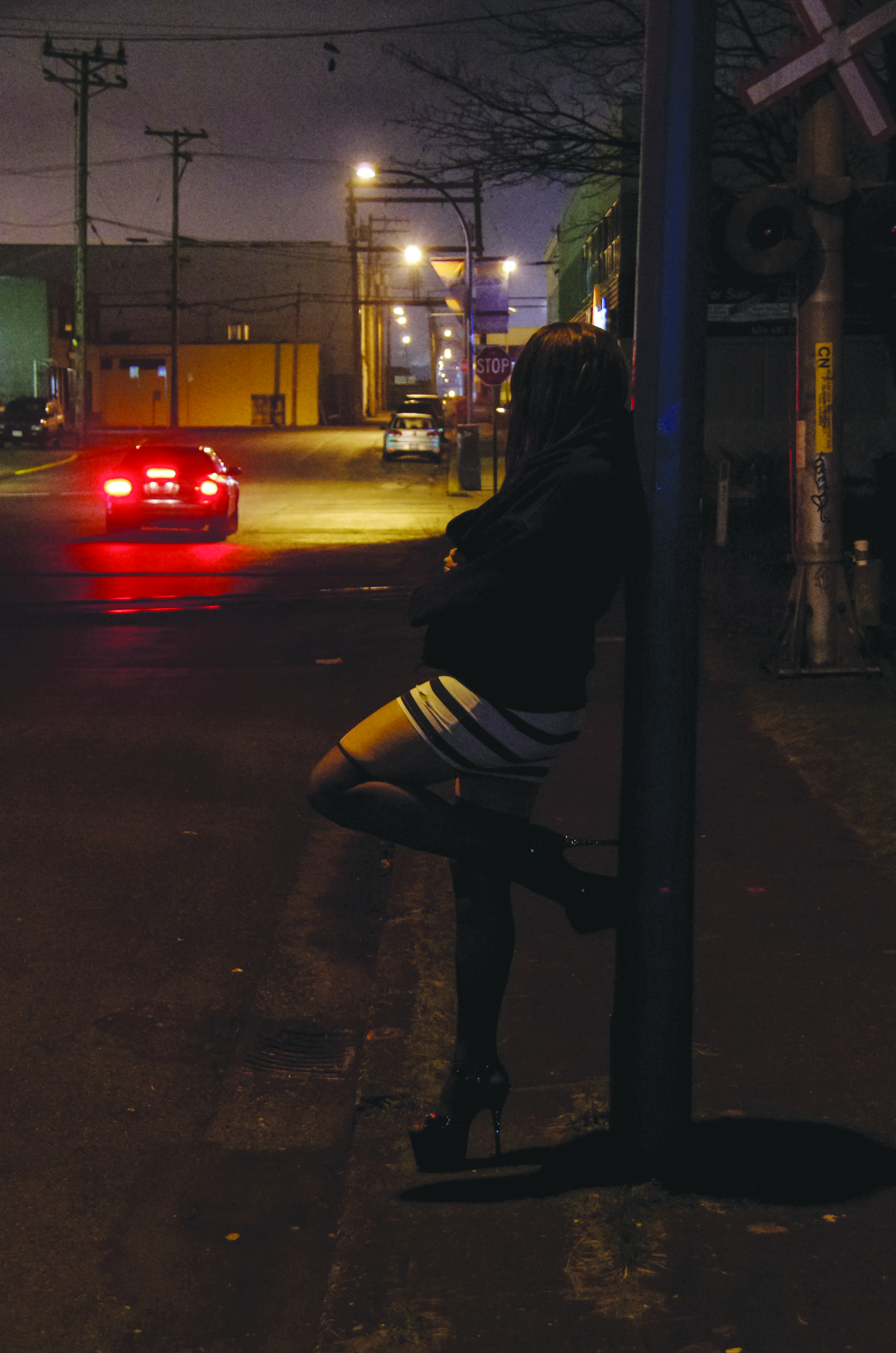
Andrea Krüsi, one of the authors of the report and a research assistant at GHSI, explained the results to The Peak: “In the context where clients are criminalized, it’s still in the shared interests of the client and the sex worker to be undetected by the police and so this led to women having to rush screening their clients [. . .] What they need to do is just hop into the car and hope for the best.”

The report states that the VPD’s new approach “severely limits street-based sex workers’ control over their health and safety due to [an] inability to screen clients or negotiate terms of transactions,” being forced to relocate to remote areas such as industrial areas, and an “inability to access police protection.”

In addition, due to the increased difficulty of targeting clients who are willing to risk potential criminal charges, many sex workers are forced to stay out longer, thus increasing their risk.

Krüsi added that, even though the police emphasized prioritizing the safety of sex workers, “sex workers were reluctant to report violence to police because they were worried that if they go to [the] police to report a violent client, that the police might use some of that information they give to refine their enforcement methods.”

“Our findings are very clear: that when clients are continued to be targets, the harms of criminalization are reproduced.”

Earlier this month, the federal government tabled new legislation on prostitution that would criminalize selling sex in areas where children under 18 are present. It would also criminalize advertisement of sex services, for which sex workers could face five years in prison. 

However, these new regulations would share the Nordic Model’s focus on clients by criminalizing the buying of sex, which was previously legal.

John Lowman, an SFU criminology professor, said that policies targeting just clients could be challenged as unconstitutional: “To have one party in what is a legally consenting adult relationship [. . .] held criminally responsible while the other party is not, is state-sponsored, institutionalized entrapment.”

Lowman expressed concern that new regulations designating areas where sex is criminalized could further endanger sex workers by forcing prostitution out of residential districts.

He explained that police enforced similar policies in the 1990s, and would not go after sex workers if they worked in places such as industrial districts. “That industrial area, which the police had turned into a red light district in the 1990s, became the killing field of Vancouver. That’s where Mr. Pickton picked up most of [his] victims,” said Lowman.

Both Lowman and the report state that decriminalization of sex work, with the potential for regulation and protection, is the best way to ensure the safety of sex workers, following the lead of countries such as New Zealand.

“[We should focus on] accepting that prostitution is a profession and is not inherently sexual abuse,” Krüsi told The Peak. “And therefore we should allow women, or sex workers in general to have working conditions that are conducive of safety and not make it harder to protect themselves.”

Japanese policies push young adults to procreate

1

CMYK-Japan wants baby-Pieterjan Vandaele-Flickr

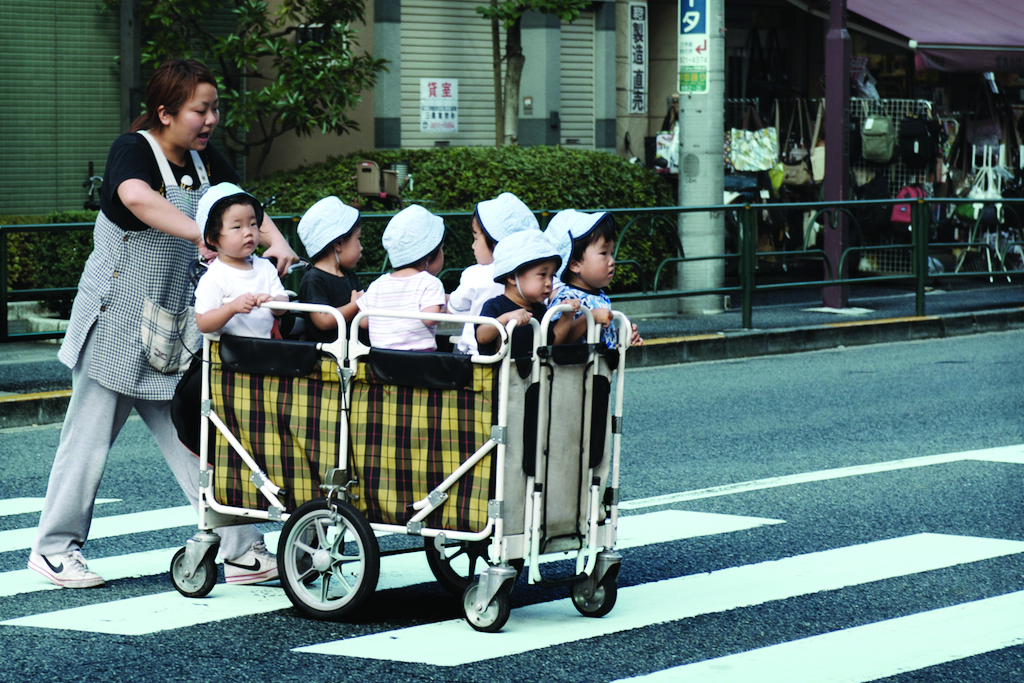
A Japanese member of parliament is taking the country’s population crisis into her own hands by promoting policies that would encourage Japan’s younger generations to get busy and start making babies.

By hosting national matchmaking parties and encouraging a return to old-style marriage introductions, Yuriko Koike hopes to increase the number of marriages in Japan from 600,000 in 2013 to one million by 2020. 

The government has put three billion yen towards this mission in a country that faces its lowest birth rate since 1899.

“Their problem is pretty serious,” professor of international studies Michael Howard told The Peak. “It’s not like they’re about to be hit by a tsunami or anything, but it’s looming pretty fast within the next decade, and the problem is that of course these things do take a long time to find solutions for.”

Shrinking by a record 244,000 people in 2013 alone, Japan’s population of 127 million is expected to fall to approximately 87 million by 2060, according to a recent analysis by government researchers.

Koike told The Telegraph that these policies are meant to revive the sort of old-school romance that gets lost in the midst of pursuing careers: “Younger generations, both men and women, complain that they have less opportunity to get to know each other. Japanese businessmen and women also work too long, normally until midnight, so there is no time to become acquainted with new people.”

Although these policies may seem unusual, other East Asian countries have pursued similar programs to combat falling population growth rates. In 2003, the Singapore government launched a “Love Boat” cruise service that offered couples a program of fertility seminars, massages, aphrodisiacs, and a night at a holiday resort — all designed to put couples in the mood.

“Singapore is a nice example of a country that has all these extreme policies to try to get people to have more children. [. . .] It doesn’t work very well,” said Howard. “They’ve tried everything you can with all the best frills in the world, but basically once you hit a certain level of development, you get women educated, and they’re just not going to have very many children.”

Japan’s current fertility rate is 1.4, which represents the average number of children a woman is expected to have over her lifetime. Koike explained that for Japanese women, it is often a choice between getting married and having children or having a career.

“To tell them to drop out of the workforce and produce 2.5 children or something like that, they’re not going to do it,” said Howard. “Outside of lining them up against a wall and threatening them to produce children I don’t know what’s going to work.”

One of the consequences of this decline in birth rates is a rapidly aging population. By 2055, international statistics organizations estimate that 38 per cent of the population will be over 65.

“Theoretically one could suppose that [Japan] could simply become a big retirement home,” said Howard.

Howard suggested that increased immigration may be the most effective solution to the population crisis. However, he said that Japan does “not have a history of being an immigrant-friendly country,” and this is therefore unlikely.

“These are things that are really tough to overcome [. . .] unless they can really come up with some policies that people are willing to agree with,” said Howard.

Until that happens, Howard said, “it’s just going to get worse.”

Scare up a great sex life

0

CMYK - Scary sex - Leah Bjornson To reignite that old passionate spark in your relationship, research suggests that, rather than chocolates and long walks along the beach, the answer lies is engaging in activities that kick in your fight or flight response.

Sex therapist and relationship counselor Desiree Spierings specified that the solution is not as simple as engaging in something scary or dangerous with your significant other. “It is about doing something new, novel and exciting [together]  that is what really does the trick and keeps things interesting and alive,” she said.

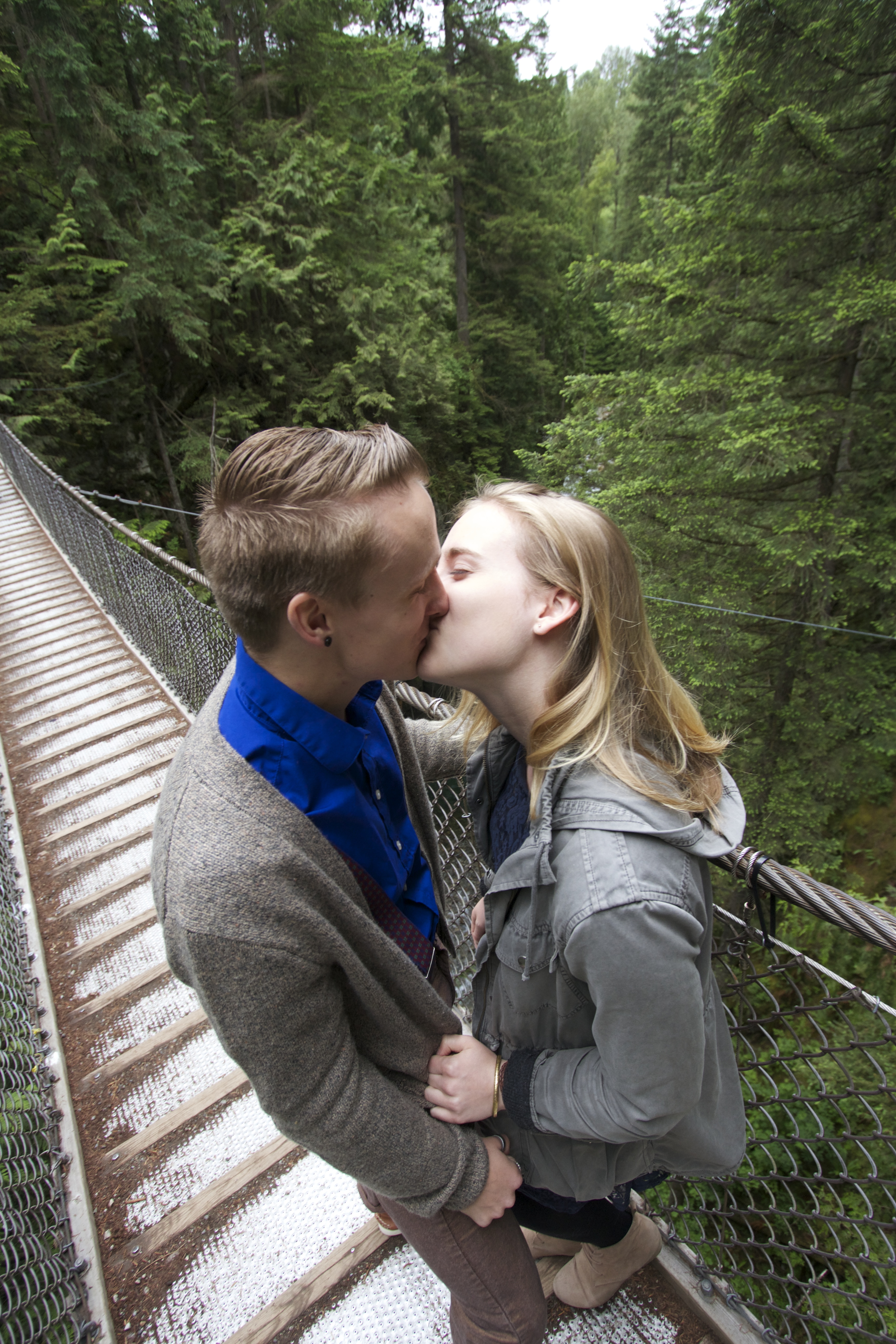
Spierings explained that these ideas were first tested in 1974 in a Canadian study called the Capilano Bridge Study, conducted by psychologists Arthur Aron and Donald Dutton. This study examined two groups of men, one having just walked over the swaying Capilano Bridge, and another having walked over a steady bridge.

After crossing the bridges, each man was approached by a young female psychology student and asked to participate in a survey. She then provided her number and said that he could call that evening for the results. The study found that men who walked over the swaying bridge were more likely to call later, and even ask her on a date.

Spierings explained that, “lingering excitement from one situation — say walking across a shaky bridge versus a stable one — can intensify a subsequent emotional state.” This phenomenon has been called misattribution of fear, as well as the excitation transfer theory.

Diana Bedoya, a lecturer in the BPK faculty at SFU, explained the basis of these labels as relating to the biological connection between the fear and arousal systems; the body’s initial responses to fear and arousal are actually the same mechanism. Bedoya told The Peak, “a lot of the physiological responses are the same, but how we interpret them are different.”

When our bodies trigger a stress response, the result is a surge of the hormone epinephrine. This hormone triggers changes in multiple organs, including, but not limited to, the heart, pupils, digestive system, and liver. These changes occur so that the body can prioritize energy usage.

That moment you make eye contact with your crush from across the room and, suddenly, they are all you can focus on, is actually very similar to the physiological response that you would have if you were face to face with an angry grizzly bear.

The body interprets that romantic moment with a stress response and spends its energy focusing on the overall task at hand, not the details of the situation.

Bedoya said that this is why our bodies could send us messages that conflict with our thoughts and reason: “It feels really good. It may be bad for you, it might not be right, but it feels exciting.”


Couples’ sleep patterns reveal female’s satisfaction

0

16A_021_Sleep positions.1

According to a new study, the old saying should go, “happy wife, happy night life.” Research shows that a woman’s satisfaction in her relationship is revealed through how well a couple sleeps together.

Lead author and researcher at the University of Pittsburgh, Heather Gunn, has been studying sleep through a different lens. “Most of what is known about sleep comes from studying it at the individual level; however, for most adults, sleep is a shared behaviour between bed partners,” said Gunn. Her findings show that “how couples sleep together may influence and be influenced by their relationship functioning.”

The synchronicity of partners’ sleep — how much time they spend awake or asleep together — is likely linked to the satisfaction of the female partner within the relationship. Contrarily, how a man feels about the relationship doesn’t appear to affect either’s sleeping patterns.

The study involved 46 different heterosexual married couples. Their sleep was monitored over a period of ten days, then all were asked to evaluate their relationships.

Results showed that, in general, couples were awake or asleep at the same time for 75 per cent of the night. This percentage was higher when the wives reported higher levels of satisfaction with their marriage.

“The sleep of married couples is more in sync on a minute-by-minute basis than the sleep of random individuals,” said Gunn. She continued, “This suggests that our sleep patterns are regulated not only by when we sleep, but also by with whom we sleep.”

An assistant professor of psychiatry at the University of Pittsburgh, Wendy Troxel, conducted a different study showing that the presence of a partner improved quality of sleep for women.

Troxel went on to investigate how a poor night’s sleep on the wife’s part could result in issues for the couple. “We found that wives’ sleep problems affect her own and her spouse’s marital functioning the next day, [. . .] Specifically, wives who took longer to fall asleep the night before reported poorer marital functioning the next day, and so did their husbands.”

Their collective findings give a whole new meaning to waking up on the right side of the bed.

The prostitution bill: the right step

3

Late last year, the Supreme Court of Canada struck down key provisions of this country’s anti-prostitution laws, ruling that these provisions violate constitutional guarantees of life, liberty, and security of person. It has taken the past six months for the federal government to introduce new legislation.

Bill C-36, known as the Protection of Communities and Exploited Persons Act, is an adaptation of the Nordic Model that is employed in Sweden, Norway, and Iceland. This model immunizes prostitutes of both genders from any criminal liability involved in prostitution, while targeting the pimps and johns that fuel the demand for the service.

This bill, once passed into law, amounts to a major step forward for the issue of prostitution. By targeting those who fuel the demand for prostitutes, rather than the prostitutes themselves, the new law places the blame on those who are purchasing the services, and treats sex workers as victims of exploitation rather than criminals.

The one exception to the decriminalization of the selling of sex is a ban on communications intended to sell sexual services in neighbourhoods and areas where children could reasonably be expected to be present, which will likely have to be more clearly defined before the bill passes into law.

The targeting of johns and pimps will aid in driving down the demand for sex workers.

Furthermore, the bill also contains a provision for an initial $20 million for organizations involved in assisting persons wishing to exit the trade. While this initial funding is likely to be insufficient, it is at least a step in the right direction. Many who are recruited by force into the sex trade enter into it between the ages of 14 and 20, and suffer severe abuse along the road to the street. This bill reflects the goal to restore them to their families.

There are quite a few criticisms of the bill at this point, including that it still does not do enough to protect those involved in the sex trade. Unfortunately, there does not seem to be a good solution. Even Justice Minister Peter MacKay had to admit that “no model will ever make prostitution a safe endeavour.”

This is inherently true, as the legal status of the sex trade is not an issue in relation to its safety. Rather, it is the vulnerability necessary for the act of sex that makes prostitution dangerous. To engage in it, one is completely physically, and often emotionally, exposed.

There are others that are disappointed that the government has criminalized the purchase of sexual services, preferring for prostitution to be legalized outright. Their disappointment is somewhat difficult to understand, as it is nearly impossible to see a Conservative government that has generally taken a firm stance on traditional morals legalizing the sex trade; the Prime Minister even went as far as to state that a Conservative government would never legalize prostitution.

In addition, legalizing the sex trade does not eliminate the underground trade, as many nations that have legalized the trade have discovered. In the state of Victoria in Australia, which has had legal and regulated brothels for several years, police continue to discover illegal brothels.

It is my hope that this bill is passed for the protection of this exploited group within our society. Ideally, the targeting of johns and pimps will aid in driving down the demand for sex workers, which will in turn cut down on the human trafficking that is involved in the trade. While I am not naïve enough to believe we can ever eliminate the demand, this bill is at least a step in the right direction.

Include asexuality in the LGBTQ community

2

CMYK-LGBTQ A-JerryGuo

What do T.E. Lawrence, Isaac Newton, Janeane Garofalo, and Emily Brontë have in common? They identify and identified as asexuals. Like these people, I am also asexual.

Due to my self-identifying as asexual, I have experienced negative comments ranging from disbelief to amusement. I have also felt like I was not normal, and because of the negative backlash, I was afraid to tell anyone about it. There is a growing need among asexuals for a support group to discuss these experiences and feelings and the LGBTQ community has been the only support group for minority sexualities thus far.

Contrary to some beliefs, asexuality should be included under the LGBTQ umbrella because it is a minority sexuality that is ostracized by society through prejudice, discrimination, and ignorance.

There has been some defensiveness on the topic of including asexuals in the community. The use of the Q, for “queer” within LGBTQ, to describe asexuals has been opposed by some members on the grounds that the gay rights movement has been active in fighting for their rights while asexuals have remained silent.

They have also argued that asexuals have not faced discrimination or prejudice, and, even if they have, theirs is not as bad as prejudice faced by the LGBTQ community.

The community uses the term “queer” to describe sexual minorities that have been stigmatized by society; asexuality fits this description. Our society is obsessed with sex, and consequently, asexuality is often regarded as non-existent or abnormal. Asexual people are, therefore, as excluded from the social norm of heterosexuality as gay, lesbian, or transgendered people. In fact, this exclusion and isolation is more apparent with asexuals as they only make up one per cent of the  population.

With this exclusion and isolation, asexuals also share the process of “coming out.” As I noted before, we share the same feelings and experiences of doubt and discrimination.

Furthermore, asexuals can help the LGBTQ community gain more social acceptance of alternative lifestyles through their support.  David Jay, the founder of Asexual Visibility and Education Network (AVEN), argues that 90 to 95 percent of “aces” are either supporters of the LGBTQ community or define themselves as LGBTQ. I, myself, am among one of these supporters.

The argument of the lack of discrimination or prejudice towards asexuals by some members of the LGBTQ is wrong, as asexuals have experienced rape and death threats, corrective rape, and sexual assault.

In an interview with the Huffington Post, asexual activist and blogger Julie Decker recalled an incident where a male friend tried to “fix” her by sexual assault. Decker also noted the death and rape threats she has received by online commentators on Youtube and her blog. In my own experience, the mantra “all he/she needs is a good raping” is an all-too-commonplace response to asexuality on the web.

It is important that asexuality gets the recognition and respect it deserves within the increasingly tolerant world of the 21st century. Most of all, though, asexuals need support from a community. This awareness, tolerance and support can only come through the strong foundations of the LGBTQ community.