

By: Izzy Cheung, Arts & Culture Editor
Take a seat, everybody! For The Peak’s Disability Pride Month issue, we’ve compiled a list of disabled drag performers who are taking the stage all across the unceded territories of the xʷməθkʷəy̓əm (Musqueam), Sḵwx̱wú7mesh (Squamish), and səlilwətaɬ (Tsleil-Waututh) Nations. Here are some daringly dazzling disabled drag performers who are taking this province by storm.
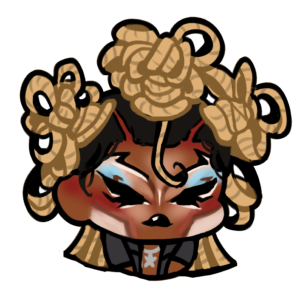
Peaches N Screams is an “Afro-Indigenous drag icon” who can be seen across Vancouver at raves, cabaret performances, and more. Under her brand and fandom, Peach Nation, she has released a merchandise line with designs that are reminiscent of her sharp, tattoo-like makeup and trademark black lipstick. A versatile performer, you can catch her posing among dreamlike clouds or tearing up a stage in the perfect Monster High outfit. Catch her on July 25 at Peaches’ Palace in lək̓ʷəŋən (Victoria), a monthly special that will showcase “the hottest local BIPOC performers from drag, music, burlesque, comedy, and beyond.”
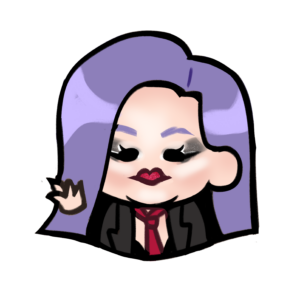
Lavender Flame says she does it “for the girls and the gays, that’s it.” She is “autistic and proud,” and told Disability Drag Collective that her love for Vancouver’s drag scene stems from “the creativity, the diversity in our local scenes, and the passion every drag artist has for their work.” Her colourful chic shines through in her goddess-like outfits as well as her playful pinup persona. Recently, she performed at The Birdhouse as part of Man Up’s Spotlight Showcase, and continues to appear at venues across the Lower Mainland.
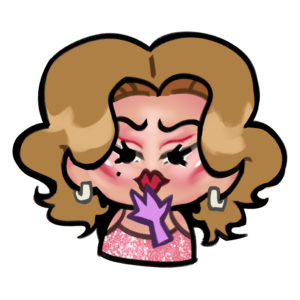
dislexia is known for more than just their sultry photoshoots and event hosting. Their performances for Vancouver’s Next Drag Superstar were enough to place them in the finals of the competition. They bring sweet, spice, and everything nice to every party they present themselves at — you can’t say dislexia is no fun when they’ve taken the stage as a vulva. There’s no predicting where dislexia will be next, so follow them on Instagram, @disslexiaaaaaaa (that’s seven a’s)!
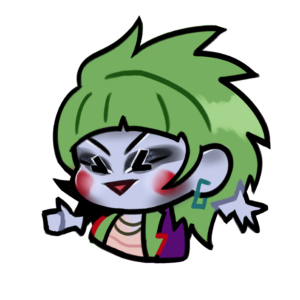
On July 28, Karlie Hart will be hitting the stage at Numbers Cabaret as part of “The Rise and Fall of a Davie Street Princess,” a tribute to rising pop and drag sensation, Chappell Roan. This will be the second performance that Hart has done as part of this tribute series, as she also headlined the first instalment that occurred on May 12. Having first come out as a trans masculine enby at the age of 19, Hart continues to make her presence known throughout Vancouver as she performs in her fifth trans year. He’s so versatile that at one moment, you could see her as a cackling Joker; at the next, he could be rocking as a giggly gymnast!
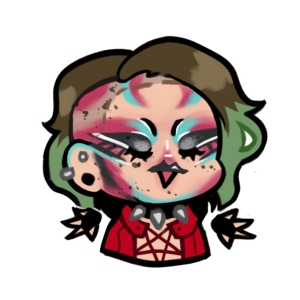
Boy Gorgeous is a “queer non-binary disabled drag monster” who is based in lək̓ʷəŋən. With ornately painted makeup that ranges from dramatic cat-like eyeliner to eyelashes like butterflies, they are a fierce and fun performer to watch. They will be performing at Studio Access on July 28, an event otherwise known as “Victoria’s accessible, sober, disability-conscious, low-sensory, covid-aware drag show.” When they aren’t leaving their heart out on the stage in their performances, they can be found drawing and designing intricate tattoos at The Brass Iris Studio.


