[dropcap]R[/dropcap]efusing readily available, life-saving medicine for your child is inexcusable. But in the outrage that is rightfully directed towards idolatry of natural remedies, we need to be careful to not throw out the baby with the ginseng, gluten-free bath water.
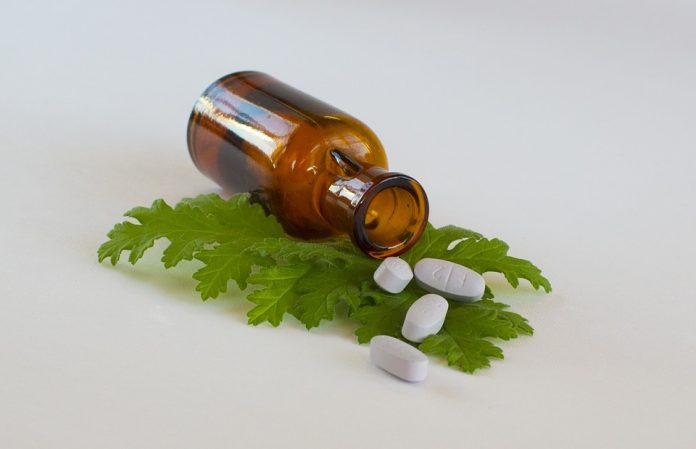
It’s true that ‘natural remedies’ have lost a lot of credibility in the developed world, especially in Canada, from lack of regulation. Last year, CBC’s Marketplace said that they managed to get their own sham product approved by Health Canada in six months without having to provide any information on its safety or effectiveness. People are rightfully skeptical of anything with the word ‘natural’ on the box, because we really don’t know if it works.
But it’s only in the past 100 years or so that modern medicine has become the tightly regulated machine that it is now. If we look back to around the turn of the century, we can find ludicrous products like “cocaine toothache drops” marketed to teething babies, and cruel procedures like surgeons removing teeth to treat mental illness. Obviously things have become a lot better since then, but it’s worthwhile to remember that in an institution as young as modern medicine is, there are still some wrinkles to iron out.
Take, for example, the fact that there wasn’t a good understanding of how the active ingredient in Tylenol worked until 2013. That didn’t make it any less of an effective painkiller, but it’s an interesting parallel to some natural remedies; we’re just looking for something effective and safe.
Modern medicine has, in some ways, been racing to catch up with traditional medicine. Even the idea of a vaccine (modern versions of which are extremely effective and safely protect us from diseases like measles, mumps, and rubella) was first put into practice in ancient India. The simple idea was that by introducing someone to a low dose of cowpox, they would become much less likely to contract smallpox; the famous smallpox vaccine developed by Dr. Edward Jenner in 1796 relied on this same principle.
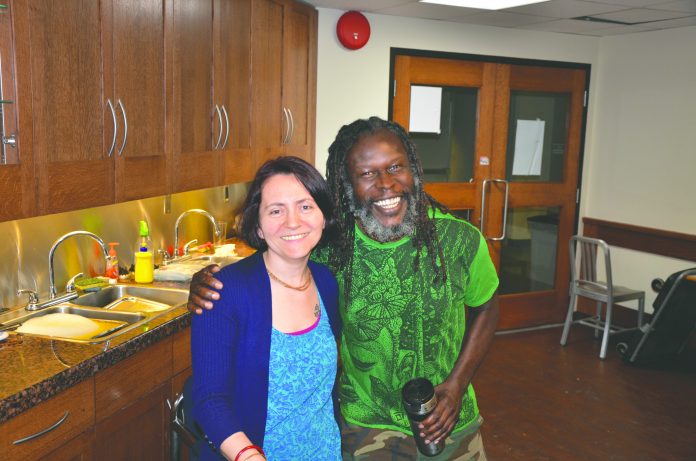
Modern medicine still has a lot to learn from ‘natural’ medicine, and there are projects between scientists and traditional healers that are shedding light on just how powerful natural remedies can be. Ian Tietjen in the faculty of health sciences at SFU is collaborating with the University of Botswana to discover the active ingredients in the extracts that traditional healers use. By providing the healers with basic training and materials to test their own medicines, the study is discovering that these medicines really are effective antiviral agents, and that some of them might be capable of helping treat HIV.
So what medical knowledge in the world boils down to is this: there are medicines that seem to work for whatever reason, regardless of where they come from. But by testing all of them rigorously, we can see which remedies are safe and effective; whether they are made in a lab, or naturally occur in a leaf, it is up to us to use them to keep ourselves and our children healthy.