Home Blog Page 862

Prof reflects on EURO 2016 using big data

0
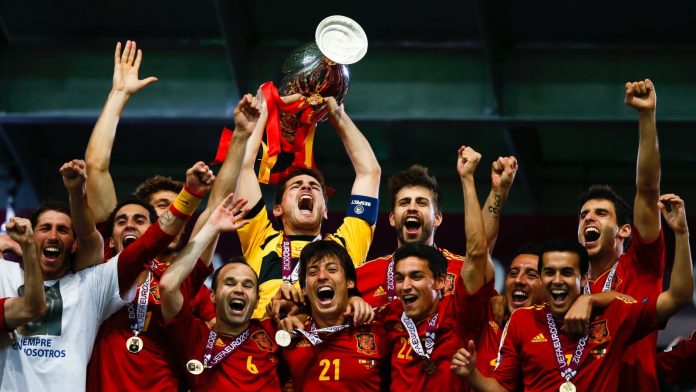
Spain's soccer team is seen celebrating their victory at UEFA Euro 2012.

The 2016 UEFA European Championships are generating a worldwide buzz, with millions of people tuning in to watch every game. With so much at stake, it’s no surprise that analytics and big data are becoming a more important part of the decision process, according to SFU professor Dr. Peter Chow-White.

“Big data has become a really interesting touch point for people in different organizations and institutions to rethink how they create knowledge, how they create data, and how they use data to make decisions,” said Dr. Chow-White. “Sports is no different.

“Soccer was one of the earlier ones that got into it. Some of the earlier places like [AC] Milan have R&D departments that have been using data and different types of analytics in order to understand their players’ performance, recovery, all sorts of things. So it’s become an integral part of sports.”

With a high volume of information now available to these teams, the challenge is how to use it effectively.

“They want to be able to evaluate players in terms of making trades in the management point of view, but you [have] also got the coaches on the other side that want to evaluate performance either in practice and on the field, to make better decisions and have more intelligence in applying to the next game or their practices or whatever strategy they’re trying to create.”

Many teams may be using numbers in the decision-making process, but determining which teams are using them heavily and how they are using them is difficult.

“Sports is very secretive in terms of what they do and how they analyze things,” Dr. Chow-White explained. “So getting an inside look into what’s happening is very difficult. Most of what we know is on the outside except for those who have done research on these areas and have gotten inside different places.”

One of the challenges that soccer has in using numbers to make decisions is that it is a “continuity sport with low catalytic outcomes,” according to Dr. Chow-White. This means that there are not many stoppages in play such as basketball and baseball, and there are few events in it that drive play towards a winner.

“There’s lots to track, [in basketball and baseball] there’s lots of mini games, and there is lots of outcomes. Soccer and hockey are different, and I think the impact in those games is different on those sports than something like basketball or baseball.”

Dr. Chow-White also cautions teams not to invest fully in analytics and big data just yet.

“I don’t think that companies or teams should be spending a ton of money on this. Most of what happens in the game of soccer is [based on] what coaching decisions are made, player personnel, those are where the big things are. You got a Ronaldo on your team? It doesn’t matter what [you] do, he’s going to score goals.”

So what is Dr. Chow-White’s prediction for the winner of the 2016 EUROs?

“I’m going to go with whoever the superstars are playing with. You can have the best analytical team in the world, but if you don’t have the player personnel, then it’s not going to make the type of difference one would expect in terms of wins and losses.”

The Crank Files: 2Pac and Kimbo Slice are alive in Cuba

0

This month we lost legendary MMA fighter Kimbo Slice — or at the very least, that’s what the media wants us to think.

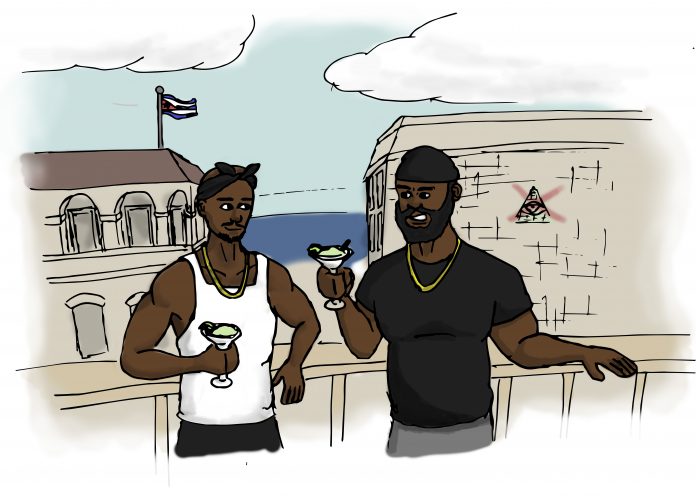
This former street fighter turned MMA pro reportedly died due to heart failure. To that, I say bullshit. Pictures, taken by an anonymous fellow traveller in hidden truths, show Slice drinking margaritas in Havana, Cuba with none other than long-lost rapper Tupac Shakur.

Now those of us in the uncomfortable truth-telling biz have always known ‘Pac never really died but instead faked his own demise. For years though, we were called crazy by his family and friends, the authorities, and mental health professionals alike. But with photographic proof that can 100 percent be authenticated, we now know ‘Pac is indeed alive, along with Kimbo Slice. The question is: what are they doing and why did they fake their deaths? Now, this required some digging.

For years we have known that ‘Pac’s final album Don Killuminati was a testament of his agenda to resist Illuminati control. Recent leaked satellite photos from the National Security Agency reveal that former training grounds used by the Cuban military in the 1960s are seeing new activity. Troop manoeuvres, military engineering, and active missile silos — it’s foolproof logic of an anti-Illuminati resistance army being trained, and not as some would suggest merely old photos of Cuban activity in 1962 during the Missile Crisis.

Did ‘Pac help Kimbo fake his death so as to provide combat training for the anti-Illuminati army? It seems highly likely, as every great leader needs a general. Roosevelt had Patton, Churchill had Montgomery, and now Shakur has Slice. The Illuminati should be on their toes, because the liberation is coming quick, buddy. Say your prayers, you Illuminatus shills, and Hail Mary!

A love letter to those with mental illness

0

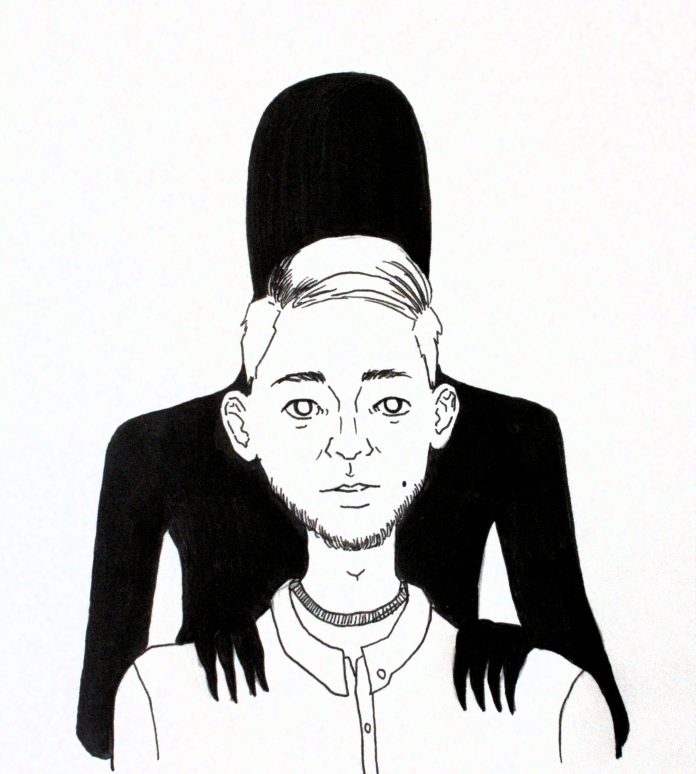
[dropcap]H[/dropcap]ey there. My name is Max, and if you’re reading this then I love you.

For years, I’ve struggled with depression and anxiety. This past month, that struggle has become the defining factor of my life. My doctor calls it a relapse. I call it a marathon.

Initially I had misgivings about writing this down for a student population of 35,000 to read, but I changed my mind based on two key realizations: 1) That I always feel better when I read about others opening up about their battles with mental illness, and I might as well return the favour; and 2) That I’m already living with this thing every day, so there’s no use lying about it, either to myself or anyone else.

My experience with mental illness has been unique, and it’s not my intention to paint with broad strokes or compare my pain with anyone else’s. Depression, for me, has been mostly centred around fear. Fear that I’ll always feel this way. Fear that I’ll never enjoy anything again. Fear that I’ll push away those whom I love the most. Fear that they never liked me much in the first place. Fear that I’ll lose everything I’ve worked so hard to accomplish, or that none of it ever really mattered anyway.

Last month, I celebrated my 23rd birthday in the back of my parent’s van, barely able to communicate through sobs. I’m not the kind of person who cries — even the ending of Toy Story 3 left me dry-eyed. But there in the backseat, being driven away from the job I love because I could barely concentrate or keep myself from panicking, I knew I was in a bad place.

I’m sure many readers will empathize. Mental illness is incredibly common: about 20 percent of Canadians will experience some form of mental illness in their lifetime, and eight percent of those will battle major depression. (These stats are likely lowball estimates, given the number of people who never report their struggles.)

There in the backseat, unable to keep myself from panicking, I knew I was in a bad place.

Young people in particular face an uphill climb, as suicide accounts for roughly a quarter of the death rate among those aged 15–24. Yet only about half of those living with anxiety or depression will ever reach out to a professional.

Though people from all walks of life can and do experience mental illness, certain groups are particularly at risk, including Aboriginal, LGBTQ, and immigrant populations. Students are also at particular risk of mental illness, given the toxic mix of high stress and low incomes that is such a big part of university life.

It’s not my intention to discourage you by sharing these numbers. In fact, here’s one statistic that might actually make you feel better: a whopping 80 percent of those who receive treatment for their depression end up seeing pronounced benefits. That so few people seek out help when they need it — especially given that this help is usually effective — is deeply saddening.

Which brings me back to you.

You may be battling stress you think you can’t handle, or fighting mental illness silently, afraid of the rejection and humiliation you might face by sharing it. You may be telling yourself that you’ll never be OK again. I’m not going to pretend that I know exactly what you’re going through, but I do know that I’ve been to those kinds of dark and scary places before.

So when it feels like no one understands you and no one cares, I want you to remember that there are others out there fighting the same battle you are. Not all of them will win, and not all of them will show you their scars. But there is hope, and there are people out there who believe in you, even if they’ve never met you. There are doctors and therapists who want to help you. There are resources and support groups and chatrooms and TV shows and video games and bike rides and recipe books and so, so much more.

You are worthy of love. You deserve to be happy. You are not alone.

Laugh Track: An interview with the hosts of Vancouverite, Amber Harper-Young and Brent Constantine

0

Get to know the folks behind the laughter, as The Peak explores the burgeoning Vancouver comedy scene with our recurring column, Laugh Track. From podcast hosts and improv royalty to monthly showrunners and people just being funny weirdos, there’s never a shortage in this comedic goldmine called Vancouver.

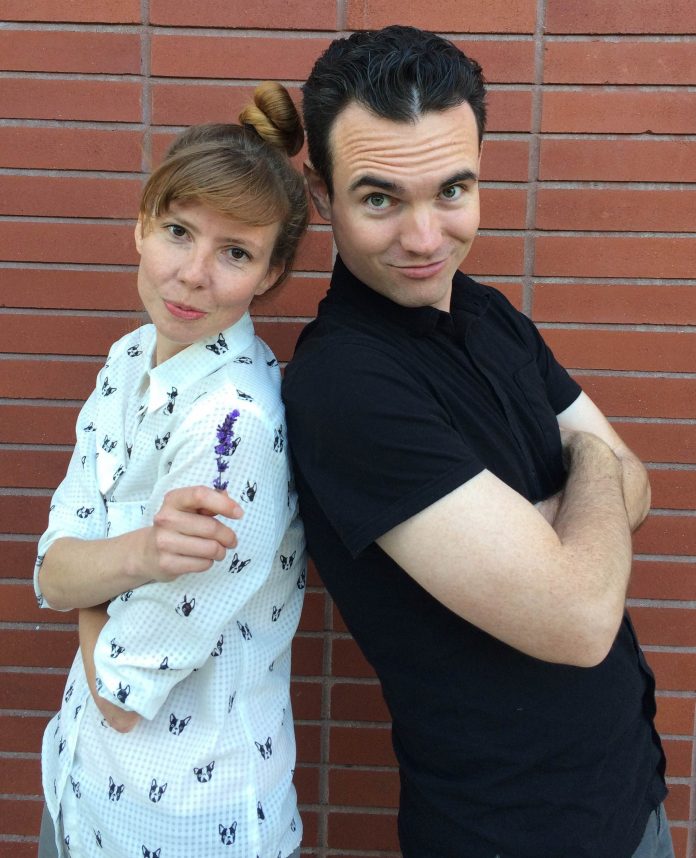
You don’t have to be a comedian to make jokes about living in Vancouver, but that’s the premise of Brent Constantine and Amber Harper-Young’s monthly show at Hot Art Wet City. For over two years, Vancouverite: A Comedy Show has provided comics with the platform to share their Vancouver-based experiences. From the challenges of relocating to Vancouver to the different set of challenges that come with living here, it’s a comedy show that literally hits close to home.

The Peak: One of the definitions for Vancouverite on Urban Dictionary is “somebody with the biggest superiority/inferiority complex in all of Canada.” What’s the first thing that comes to mind when you hear the term “Vancouverite”?

Amber Harper-Young: Just anyone living here. It’s funny, because I thought I’d never be a Vancouverite, but then I’ll catch myself doing weird things, like yoga at Dude Chilling Park. I think there are hipsters that embody what a lot of people, like Urban Dictionary, think a Vancouverite is, but I don’t know if that’s true. When I first moved here, I thought there’d be a lot more hippies, and people would be more green. Just a lot more things that I was sort of aiming for myself, and then you realize that everyone just puts their trash in the alley, and no one really gives a fuck about whatever anybody else is doing.

Brent Constantine: There’s this idea that people have of this city, that maybe doesn’t exist, and this shared idea of how people have to act when they’re here. And people just follow along because they’re like, “Well, I’m in Vancouver, I guess I have to love bikes now.”

AHY: And Whole Foods.

BC: Not just part of the food anymore, I have to love the whole thing.

P: What comes to mind when you hear the term Vancouverite: A Comedy Show?

AHY: Lots of fun, lots of exchanging of past experiences. We talk to the audience off the top, so we get to find out where people are from. We get to make jokes about them, jokes about ourselves — it really doesn’t matter where you’re from.

IMG_3683

P: Where did the idea for the show come from?

BC: Most of the people we meet didn’t grow up in Vancouver. People are from out of town, and so there’s that idea of just adjusting to life here from their home cities.

AHY: Brent and I were new to Vancouver and we were very desperate to do something ourselves. We wanted to carve a little niche for ourselves, to have something consistent to be doing, but also something different. Just the fact that the show has a theme sets itself apart from a lot of just typical stand-up shows. And we thought we could both really relate to the theme.

BC: People really like themes for some reason. Themes just bring people in, even this theme, which is very loose. It’s just, “People from not here.”

AHY: And then we also have people who are from here on the show, so there’s a bit of compare and contrast. And then we get some comics that just don’t even do any material regarding the theme.

P: Are the sets generally geared towards positive or negative stories about Vancouver? Why do you think that is?

AHY: It usually just depends on the comic, and their viewpoint. We don’t try to control what people have to say.

BC: It doesn’t mean people hate it, but a lot of people start from where something’s weird or dumb about this city. I’m trying to remember someone ever coming in and just being so jazzed and like, “SkyTrain! A train in the sky! Amazing!”

P: What’s the most “Vancouver” story you’ve heard at Vancouverite?

AHY: Dylan Rhymer was talking about a time when a movie was being filmed, and the locals who had to deal with the movie shooting around their home just started throwing garbage out the windows at people. I thought that was so funny, because it reminds me of the attitude, where Vancouverites just do whatever. If they’re mad, they just get mad. It’s a movie, which a lot of people would be like, “Oooh, cool Hollywood!” But Vancouverites are just like, “Get the hell out of here. This is our home.”

P: What will people who live in Vancouver enjoy most about the show?

BC: There’s a great comedy scene in Vancouver, and, a lot of the time, people who come out to some of these shows might not be a comedy crowd. So they come in, thinking they’re going to see some kind of exposé on the city, and then we trick them into just watching some great comics that happen to live here.

Also, if you don’t like our comedy, Chris, the owner of the space, put up pictures of naked people wearing luchador masks by the bathroom. So you can just stand by the bathroom for an hour and a half looking at peoples’ genitals and if anyone says anything, say you’re “studying art,” just like a real Vancouverite!
The next instalment of Vancouverite: A Comedy Show is happening on June 25 at, as always, Hot Art Wet City. If you’re looking for a double dosage of Constantine’s hosting skills, you can also see him at Weird Al Karaoke the night before on June 24 at Little Mountain Gallery.

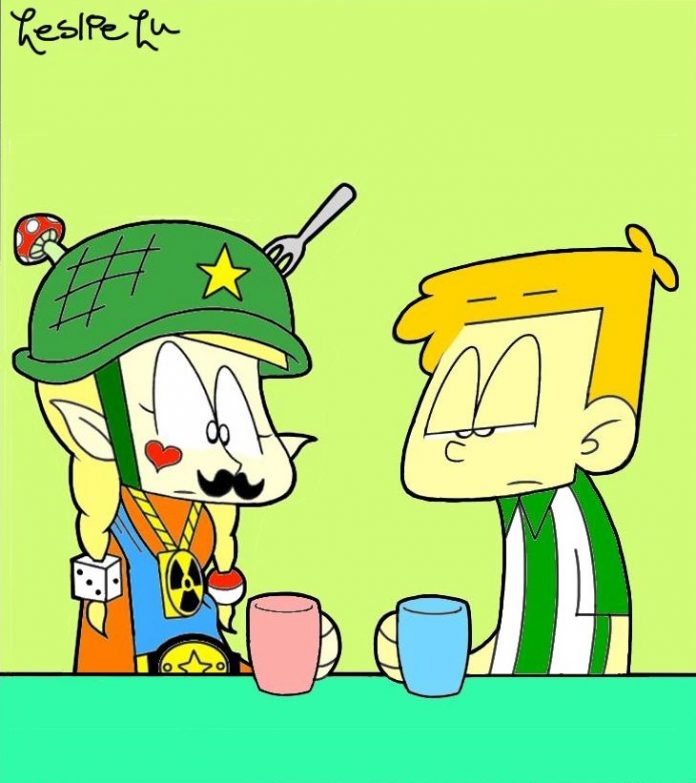
Peak Comics: Peers

0

Why I’m not “pretty for a black girl”

0

[dropcap]N[/dropcap]o, this isn’t an article for me to vent all my outrage and disappointment at the way black women are depicted by our society — although that would be one heck of an article (maybe I’ll save it for next time). I’d simply like to raise awareness of a certain topic that takes up only a fraction of my disappointment: casual racism disguised as ‘compliments.’

There are many forms of discrimination, and some are less obvious than others. Casual racism happens to me often, like when people think that it’s acceptable to use phrases such as, “Oh, you’re pretty for a black girl.” It might be hard to believe, but I have received such comments numerous times, from men and women of different racial backgrounds — including black men.

When will people understand that this is in no way a compliment? Don’t get me wrong, I totally understand that some people genuinely believe they’re just being nice. But just because racism is accidental doesn’t make it any less harmful.

I’ve been in situations where the person is genuinely trying to compliment me, and just to be polite I’ll return a wry smile. Some people just don’t know any better. Honestly, how do you expect someone to respond when you’ve insulted them, intentionally or not?

There are other backhanded compliments that we should just entirely eliminate from our vocabulary. “You’re pretty smart for a black girl.” “You’re pretty for a dark-skinned girl.” (Let’s not get started there, it’s disgusting.) “Your English is so good.” “You speak so well.” “You’re so white!”

To sum it up, any compliment that ends in “for a black girl” is a big no. These statements are built off the negative assumption that there is something fundamentally wrong with being a black woman. I think we all know that it is most certainly not OK to go up to someone and say, “Oh, you’re good-looking for a white boy,” or “You’re nice for an asshole” — at least, I hope most of you know that this isn’t OK.

In response, I’d like to say that I’m a woman, not a girl. Just as it can be degrading to call a man a boy, I feel the same way about labelling a woman a “girl.”

By telling me that I’m pretty for a black girl, you imply that black women do not naturally possess the quality of being beautiful. These statements make me feel like an exception to some kind of rule that says black women are not seen as attractive. Was there a poll taken that I didn’t know about? When were black women classified as being unattractive? Did I not get the memo?

So, the next time you want to compliment anyone, don’t include the colour of their skin. Tell me I’m pretty, or just give me a compliment that isn’t based on my looks. Leave my racial identity out of it.

Amazing Grace N. Howl: 3,000 Miles to Graceland

0

It’s been a long and tedious few weeks of data entry. Co-op was always advertised as something fun and refreshing, and I feel like I have fallen victim to false advertising. I was more refreshed in my Hellenic Studies lectures than I am here.

So I told my supervisor just that. Either they had to step up their game and give me something more interesting to do, or I would quit. Daddy paid thousands of dollars for me to pursue an education and put it to good use. Daddy would absolutely hate the fact that the City of Surrey was wasting my incredible talent and precious time. After all, I could always wander over to Langley or Coquitlam and put my domination skills to good use there.

But clearly, I was joking. I was only kidding! I was merely practicing my acting skills. But the look in my supervisor’s eyes was just priceless. She shrank back, mouth dropping open. The woman whimpered like a little girl and started nodding vigorously. It was only later that I heard her say to one of my fellow colleagues, “Grace is a monster.”

Monster? Please. I am a graceful butterfly. But I guess my words sting worse than a bee.

My pathetic supervisor finally gave me the big break I was looking for. At first I thought it was a chance to talk to the Big Boss (a.k.a. the mayor), but I was disappointed yet again. I wore my best powersuit and showed up early to the boardroom, only to find my supervisor (who, by the way, was still shaking) and her boss, who is no more than a city councillor. Please. It was almost as if the mayor didn’t have enough time in her day for me, so she sent one of her trolls to sit in and pretend like they have the power. Yeah, right.

But I presented with great confidence and vigour. Like my days in politics, I captivated that boardroom. Instead of calling it Surrey, I told them, “let’s call it Graceland. My daddy has already written out the cheques to buy out every single city building, the transit system, the roadways — everything. Surrey is cool, but Graceland is even cooler. It’s going to be a hipper, trendier city, with Uber. And I will rule over it with an iron fist, kick TransLink to the curb, and make sure that Graceland rocks, so much so that residents of Coquitlam will be paying us money to cross over the Port Mann and visit.

“It’s going to be great,” I told them. But apparently, Graceland exists somewhere else. Who is this Elvis guy, and how dare he steal my city name?!

*All documentation has been personally received by Rachel Wong*

SFU doesn’t offer enough healthy choices for low- income students

0

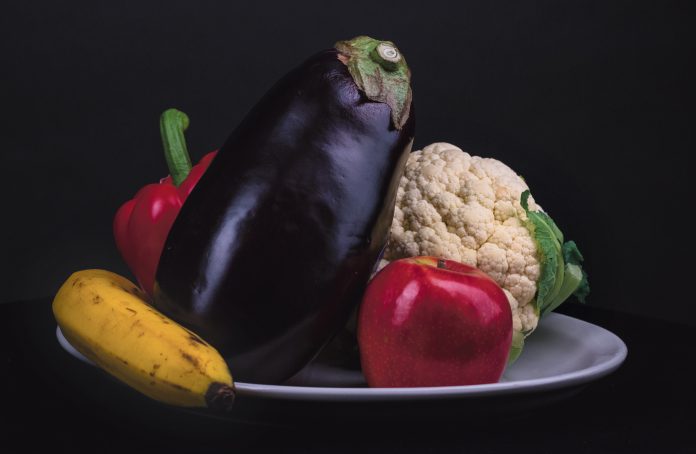
[dropcap]A[/dropcap]lthough the suggested number of daily servings for fruits and vegetables varies by sex, age, and physical activity, many dieticians and nutritionists recommend that, in general, five to nine or more servings per day is essential for good health. Eating enough produce has been linked to a lowered risk of chronic disease, a lowered risk of heart problems, improved mental health — the benefits are endless.

Unfortunately for those plagued by low budgets and food insecurity, eating a healthy diet is nearly impossible. Marguerite Nowak, the manager of a busy San Francisco food bank, told SFGate that “food is often the first to go” when money is tight. You can skip meals, but “you can’t pay half your rent or utility bills if you want a place to live.”

Fresh produce, now at exorbitant prices, is often skipped in favour of microwavable dinners, processed junk food, and meat and dairy products. Because of recent price inflations due to environmental factors, this has become even more of an issue.

In January, The New York Times described Canada’s expensive grocery predicament as the result of an oil-dependent economy. When the price of oil drops, so does the Canadian dollar, making imports such as produce seem like a luxury. Factors like droughts in California, where a lot of Canada’s produce comes from, don’t help either.

Dairy, poultry, and egg prices do not see as drastic of price inflations because they, unlike fruits and vegetables, are protected by a combination of government-sanctioned cartels and high tariffs on imports. This is to keep competition from other countries low and to keep the demand for local meat and dairy producers steady.

Nowhere on campus do we have a fresh fruit stand or a place to purchase grilled vegetables at reasonable prices.

With all of these factors combined, university students — who not only have to worry about rent and bills, but also tuition, university fees, and textbooks — are left especially vulnerable. While SFU does have a food voucher program where students in need can receive a $25-voucher to Nester’s Market, these rising food prices are reminders that it’s simply not enough. Not only is $25 hardly enough money to make a noticeable difference to one’s monthly grocery bill, but Nester’s is also notoriously pricey.

If SFU wants to help students eat healthier, they need to make a number of changes. For students on the meal plan, the Dining Hall requires a makeover. The only fruits offered that don’t come from a can are bland apples and bananas. Apart from salad bar vegetables, fresh produce is scarce.

Bringing an increased variety of produce to the Dining Hall would boost both student health and morale. Trust me — nobody living in residence is excited to go to the Dining Hall after the third week.

We also need more healthy food options on campus. At Burnaby Mountain, we have two Starbucks within walking distance of campus, a Tim Hortons, and a Renaissance Coffee, but nowhere do we have a fresh fruit stand or a place to purchase grilled vegetables at reasonable prices. We miss out on essential nutrients, such as vitamins, iron, and fibre when we don’t consume fruits and vegetables. These nutrients help to stabilize moods, increase our attention spans, and give us enough energy to carry on with our day.

According to a study conducted by the University of Alberta in 2009, children who ate healthy diets were more likely to do well on exams and succeed in school. If SFU wants to see more of their students succeed, a good starting point would be to help us help ourselves: providing cheap and healthy food alternatives to what’s currently available.

NEW MUSIC FRIDAY

0

By: Courtney Miller, Jessica Pickering, and Jessica Whitesel

Follow The Peak on Spotify to stay up to date on New Music Friday.

“Good Grief” – Bastille

Jessica Whitesel: Holy crap this is so damn pop-y. But not in a bad way. It reminds me of an updated ’80s new-wave pop song. It’s catchy as hell and just makes you want to dance and sing along. My only complaint is the weird talking that sounds like it was pulled from a B-movie.

Courtney Miller: My love for Bastille knows no bounds, and I’m definitely not disappointed with their latest offering. That feel-good bass, Dan’s crisp vocals, and classic Bastille clever lyrics make this a solid winner in my book. If you liked Bad Blood you’ll like this. The musicality in this band floors me all the time.

Jessica Pickering: Bastille is trying something new and I’m not sure about it. The music is way more upbeat than I’m used to from them and I’m trying to adjust. The good news is that’s all they’ve really changed: the lyrics and vocals are classic Bastille, including asking a question in the pre-chorus. After listening to the whole song, I think I love it.

“Better Love” – Hozier

JW: Like I get that this is for a movie so it needs to be big and sweeping, but it just gets too big for its own good. Hozier has an amazing voice and it just gets lost in the heavy instrumentals. Maybe Warner Bros. wanted to tie musically to the Disney-animated Tarzan, I don’t know, but as a song overall it just needs to tone it down a couple of notches.

CM: The focus on percussion and Hozier’s emotive yet calming voice make this a strong song. I can easily picture a well-choreographed interpretive dance done to this — there’s a complexity to the music that would make that work really well.

JP: Hozier’s so hit and miss for me. It took me two months before I liked “Take Me to Church” and I think it might take me that long to like this song too (if I ever do). I think Hozier fans will like this song, and I don’t think I’m ever going to understand the appeal.

“Titus Was Born” – Young the Giant

JW: I want to like this song but it sounds too forced. I’ve tried to sing notes out of my vocal range before and it sounds like most of this song: forced and painful. When Sameer Gadhia slips back into his actual vocal range the song is just so much better. So let this be a lesson kids, don’t try to sing in a range that isn’t natural.

CM: The muted guitar and soft, wispy vocals make this a dreamy kind of song. It builds into a powerful tune that would be great for chilling to. It’s also got a laid-back kind of catchiness, like it’s gently inviting you to sing along instead of demanding it, which I enjoy.

JP: This kind of reminds me of a kids’ TV show. It’s very calming and it’s Fueled By Ramen produced so that appeals to sixth-grader me — and current me, because I’m trash. I really like this song. I keep picturing Titus Andromedon filming a music video to this which makes it even better.

“Champions” – Kanye West feat. Gucci Mane, Big Sean, 2 Chainz, Travi$ Scott, Yo Gotti, Quavo, and Desiigner

JW: Oh man. This is a new song, but sounds like it would have been made in the mid-’00s. The production feels old, the rapping feels stale, and like why do we need to have eight people on a song? If you are in love with all of these guys and have been waiting for them to all be on a track together then by all means listen to this, but anybody else should take a pass.

CM: The intro music I really like, which is surprising. But it all goes downhill after that. I am a big fan of liberal use of profanity and cusses, but there should be at least a semblance of necessity. In this song, it’s just sprayed throughout — stop referring to women as bitches already, I’m over it. Whoever is vocalizing at 4:45 needs to stop because that was whiny as fuck.

JP: I’m not a big Kanye fan to begin with; really, I only like him when he’s with Jay Z, and this song is no exception. It’s a lot of simple rhymes without much substance. I like my rappers to have clever rhymes, and this flow’s just not doing it for me (I say while being the whitest girl alive).

“Somebody’s Love” – Passenger

JW: This song is classic Passenger. Normally I would be annoyed at the long instrumental intro, but having seen him live, he is an immensely talented guitarist and it is nice that he chose to feature that. As always he is vocally and lyrically on point. I will definitely listen to this again.

CM: It’s super chill and very melodic. I’d study to this in a heartbeat.

JP: I like everything about Passenger except the sound of the guy’s voice. I think it’s too high-pitched for the style. I really like when he sings certain parts and his voice suddenly gets so much deeper so I’m holding out for a moment when that happens in this song. Update: it kind of happened so I like this song a little better now.

“Lavender” – BadBadNotGood feat. KAYTRANADA

JW: I am not loving the ‘80s video game/action movie sound of this. I’m waiting for there to be some sort of hokey car chase, guys with bad hair wearing pastel suits ducking in and out of a warehouse, and the bad guy doing blow off of a hooker. Great job on creating a mood, but not so much on creating an enjoyable song. So, it actually was BadBadNotGood.

CM: I love that this has no vocals. It’s upbeat, but also chill enough to be good relaxation music. It’s easy to nod along to, or tap your toes to the rhythm without investing too much effort.

JP: This is not what I was expecting. I don’t know what I was expecting but it wasn’t bass and what sounds like a trumpet, that’s for sure. This was almost three and a half minutes of conflicting music styles and no vocals. I think the band’s name should have been a hint.

“For Free” – DJ Khaled feat. Drake

JW: DJ Khaled is a living meme. Within the first 15 seconds he dropped every single catchphrase he is known for, but lyrically this song is kind of a mess. Thinking that your girl is so good at sex that you have to question why you are getting it for free is maybe-kinda-probably-just-a-little problematic.

CM: It’s not bad? But it’s not good either. I mean it’s fine, but nothing special. The voices leave a lot to be desired, to be honest.

JP: Am I a bad Canadian if I think Drake is overrated? He’s solidly OK and he seems really good at maintaining it. This song is average Drake, so I guess that’s good. If you like Drake, you’ll like this song. If you don’t like Drake, this song isn’t about to change that.

“Flowerchild” – Coleman Hell

JW: This song is fun and catchy as hell. It makes me want to embrace the whole frollicking in fields, dancing under the sun, happy stereotypical flowerchild lifestyle. Then the song ends and I remember that I’m not a huge fan of the outdoors, or spending time in fields. So if I can forget that for a few minutes then this is a pretty powerful song.

CM: I find this to be a fun beachside jam of a tune, with a great beat and melodic lyrics. Great for a waterfront hangout, or making you long for the ocean as you pore over notes at your desk. The vocals match the music really well, it’s well put together.

JP: I think this song is a good choice if you want to hear something upbeat, not pay much attention, and still feel a little happier at the end of it. I especially like the line “high in the ‘70s”; it makes me think of That ‘70s Show when they sit in the circle in Forman’s basement.

“You Don’t Get Me High Anymore” – Phantogram

JW: I’m not loving this song. It just feels like it has too many things going on with it in terms of the backing track. I mean, I get that they probably didn’t want to make it too dark, but they really should have just gone there. Also the “we-ooo, we-ooo” just sounds like a toddler trying to be a firetruck.

CM: There’s a lot of vocal ability showcased in this song. The song doesn’t stay in one place too long, and so even though it’s not my usual style, it’s growing on me with every listen.

JP: I feel like I’ve heard the opening somewhere before, like in a car commercial. It’s not bad, but it’s not what I would listen to. It sounds like it has a lot of reverb? I don’t know if that’s the word. I’m probably in the minority on this but it’s too edgy for me.

“Hallelujah” – Alicia Keys

JW: I fully expected this to be another cover of Leonard Cohen’s “Hallelujah” and, while I fully appreciate that it isn’t, I was really looking forward to hearing Keys’ powerful voice tackle that song. Don’t get me wrong, this is a really good song, I just really, really, really wanted to hear her version of it.

CM: Keys has a lot of emotive power behind her vocals, which is nice, and the music doesn’t detract from that. Her voice is clearly the focal point of her music, and it holds up to the scrutiny that entails. It needs to be listened to after something devastating has happened, preferably in a torrential downpour to really set the scene.

JP: I really don’t like Alicia Keys, but this isn’t bad. I think it’s because she’s in her lower range. I also don’t hate the music so that helps. I love the addition of violins — I’m a sucker for them added into pop songs. This is probably my favourite Alicia Keys song.

“Hey Hey, My My” – Fjord

JW: Oh man. I sure did get my cover. But I have never ever wanted an electronified Neil Young. By making this song not a rock song I feel they are kind of losing the message that he was trying to convey with the original. Also, I want Young’s take on this song since he is kind of an angry “Hey, get off of my lawn” kind of old man.

CM: It builds only a little bit. I would like a little more development because it does get repetitive by the end of the song. It’s just kind of ‘meh’ for me.

JP: I’m so young, I had to Google who this was a cover of. I also just realized that was a pun, so I’m garbage today. So without ever hearing the original, I’m going to say I like this cover. My very limited knowledge of Neil Young tells me the tempo is right, but fans may not like the techno-ish add-ons.

“Race to the Bottom” – Dan Mangan

JW: I like this one. It has a fun rock vibe that isn’t metal-influenced or super folky — even though I love folk, like a little too much. It’s up-tempo, and even though the lyrics might not really follow that vibe fully, if I’m racing to the bottom it might as well be fun.

CM: “Nostalgia just ain’t what it used to be.” I think Mangan is criminally underrated. A serious but fun dynamic song that gets you up and tapping along at the very least. Good stuff.

JP: I really like this song. The music is a bit more upbeat than the vocals but it works really well. I don’t know if I like it enough to actively download it but I would definitely listen to it again. This is probably my third favourite song on this week’s playlist.

From one queer to another

0

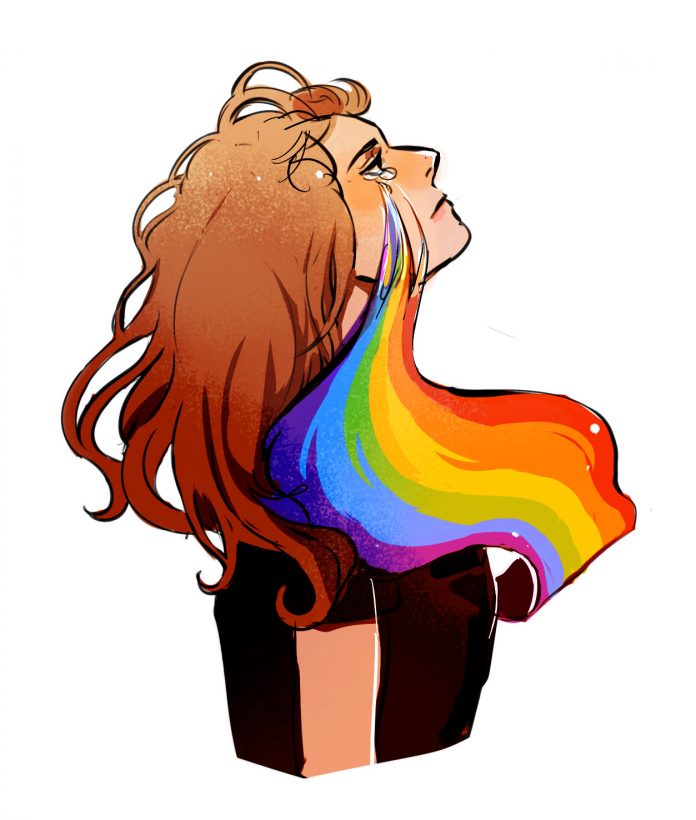
[dropcap]E[/dropcap]arly on June 12, another gun-related tragedy struck Florida. This time at a gay nightclub in Orlando, Pulse, that was hosting a Latin night. One man walked in, fully armed, and took hostages. He wanted nothing other than to hurt the people in that club. By the end of the three-hour police situation, 49 people were dead and more than 50 others were injured. As of publication time, six people are still in critical condition. Now, before the pain and suffering has settled, around the world, people are talking about what happened in Orlando.

It is the biggest mass shooting in the US since the start of the 21st century.

In the aftermath, the outcry online has been overwhelming. Queer people have watched in horror as names have been released, along with the final videos, voicemails, and texts sent that night. Blood was needed to help aid the survivors, and many of us couldn’t be there to donate to save others like us, to save our friends, though we so desperately wanted to be there. We watched as news reports rolled in, as the media tried to focus the story on the assailant, and his radical ideologies, rather than the survivors, their stories, and the assault on the LGBTQA+ community.

We watched as two facts were covered up by people in suits: that it was Latin night, and that the celebration was led by trans* women. Some outlets mentioned Latin night in passing, but they overlook the importance of the theme night. I remember reading update after update online, and when the names and pictures of the dead started to crop up, most of the first names and pictures released were of Latin heritage. By the end of the tally, more than half of the 49 “were of Puerto Rican descent,” as Reuters reported.  

One of the very first reports I came across mentioned that Pulse’s Latin night was being hosted by trans* women. After that, the information was lost amid details, like getting a background on the shooter and showing traumatic footage of loved ones calling out for the dead. Trans* humans are part of the queer spectrum and do not deserve to be overlooked. This night, and this location was chosen for a reason. It’s not a random attack, this attack was meant to shake two communities that all to often are plagued by discrimination and hate.

Maybe the media assumes we’ll figure that out for ourselves, but they do their profession and their audience a disservice by quieting any talk that race may have been a factor. The people covering this tragedy on the major news networks are so focused on the shooter, Omar Mateen. They only care that he self-identified with ISIS. . .  too many people put on blinders as soon as they hear that. They neglect to consider other issues like homophobia, transphobia, and race. Issues such as these always get put on the back-burner, and as a result we end up fanning the flames of Islamophobia.

This attack was devastating. The legacy it leaves will be destructive. The tears we shed on behalf of the victims, survivors, and their families because of this hate crime will become scars on our skin that never fully heal. They will hurt long after they have begun to fade with the bittersweet erasure of time.

It didn’t happen here in Vancouver. It didn’t happen here at SFU. But even though we are not on the front lines, do not think for one second that this traumatic event does not affect us. Do not think it does not affect the queer population of Vancouver and SFU.

My mom tried to talk to me about what happened. She could see that I was upset and when I told her, her face fell a little and she got sad, too. “Any loss of life is tragic, Courtney,” she said, in that ‘Mom’ tone of voice that’s part commiseration but mostly reprimand. As though I valued the queer lives lost in this tragedy more than those lost in any other, simply because this was the one that I couldn’t help crying for.

But I wasn’t just crying for the lives that had already been lost. I was crying because there will be so many more losses to come in the wake of this violent crime. The attack at Pulse sparks potential for attacks elsewhere. And those attacks, the spillover of one man’s hate, won’t get included in the final count. They probably won’t even make the news.

We say that we will not hide, but the sad truth is that some of us will

Being a member of the queer community at SFU is a different experience for everybody. My time here has been full of acceptance and support, and that is what we need more of at this time. Any time I have mentioned my girlfriend, or brought her with me to an event, people have been nothing short of fantastic fellow queers and allies. No dirty looks, slurs, or violence has befallen me because of whom I’ve had the greatest pleasure to love.

As we all know — from Orlando, from the dime-a-dozen stories of queer kids being bullied and beaten and killed for being who they are — that’s not the typical story a person like me has. My mother does not support me or understand the life I need to lead in order to be honest with myself and with others. The friends that I’ve made here at SFU have filled that void in my life. Care, acceptance, support, and understanding is what the SFU community has given me.

As so many people — celebrities, activists, and students included — have stated, this is a time when we need to show everyone that love conquers all. I can think of no better environment to show that ideal, than SFU. Peace does not spawn from fear.

But there are many people who are scared, and who will continue to be scared for a long time to come. All queer spaces, be it a gay club or a group like Out on Campus (OOC), are supposed to be a safe space. If you don’t feel safe at home, at work, wherever, then these queer-friendly spaces are where you’re supposed to be able to find comfort.

If a queer person should be safe at any time, it’s at a queer event during Pride month. This tragedy has shattered our illusions of safety. My friends’ parents have asked them not to go to any Pride events out of fear. And though the message across Vancouver’s queer community is that love will conquer all and that we will not hide, some of us will.

Some of us have been hiding for a long time, waiting in the shadows of OOC’s door, in the wings of a support group. And it’s hard to imagine they will want to stop hiding anytime soon now that these previously safe spaces no longer feel all that safe. People who need these support systems will be denied access through fear of being found out and targeted, or through fear of being in the wrong place at the wrong time.

Some of us are realizing that there are targets on our backs for the first time, while others have seen and lived through this kind of demoralizing, fearful time before. The fear of being persecuted for loving someone is real, and although we may not see a lot of blatant homophobia present on campus or in Vancouver at large, it’s still out there.

As a member of the queer community, I am here to tell you that the open environment we have cultivated at SFU and especially at OOC allows us to keep feeling safe. It’s alright if you’re afraid, if you’re nervous — I am too.

But I want you to remember something: it was one man. He did a lot of damage and ruined a lot of lives, but he is so greatly outnumbered by every person who believes that love is love is love. He is one person who will never amount to what we can do if we can work together to heal and create a better world for us all.

The message all around is that the queer community will overcome this tragedy, any kind of domino effect it might have. With the added news that a man with assault rifles and explosives was arrested on his way to LA Pride the very same day of the shootings in Orlando, people may not feel safe being out or coming out. And if we exert more caution in light of recent events, that’s OK. Do whatever makes you feel safe.

We will mourn the losses of our friends in Florida, but we will still be here. We will be strong and we will be seen. We may fear, but it will not rule us. Some say that to feel fear is to be weak. That’s a lie. True strength comes from knowing that you are afraid — knowing, but standing tall despite the risk.

To paraphrase poet and writer Dylan Thomas, we will not go gentle into that good night. We will continue to be visible, continue to love and be loved, and we will look forward to the day that we as humans are no longer divided by society based on who we love or the colour of our skin.