Home Blog Page 556

Book vs. Show: The Handmaid’s Tale

0


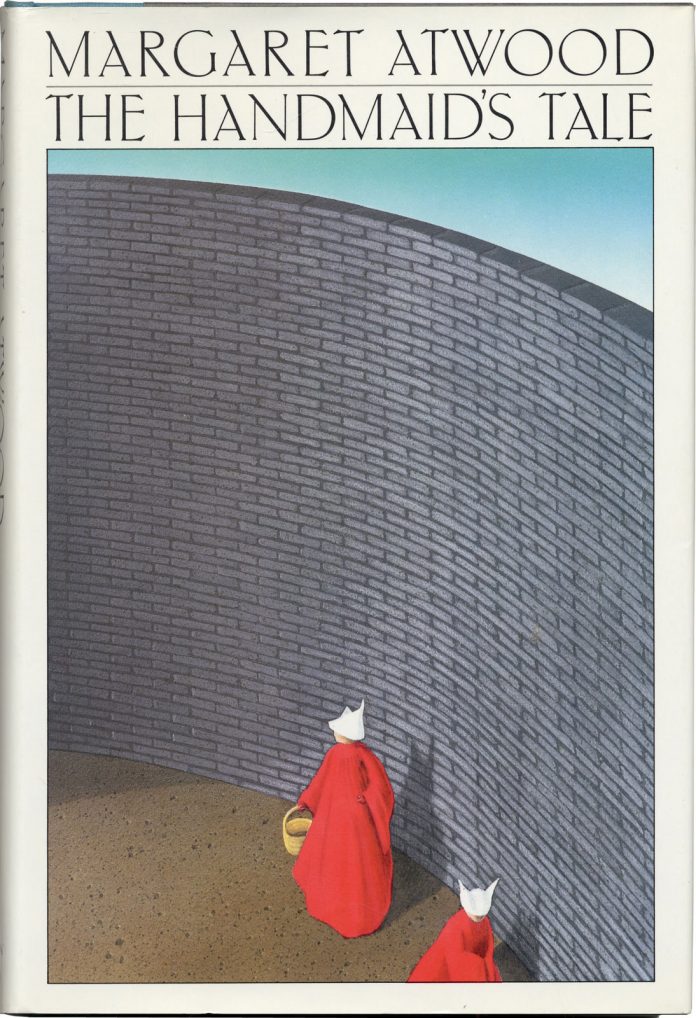
The Handmaid’s Tale by Margaret Atwood (1985)

Atwood’s dystopian novel, The Handmaid’s Tale, is the story of a young “handmaid” in the Republic of Gilead, formerly known as the U.S., whose only job is to provide a wealthy household with an offspring.

     Even though the novel tells a unique story, it is socially relevant today. While a lot has changed since its publication, it’s not hard to imagine a future similar to that of Gilead where men use women as vessels to carry out their “duties” and fulfill their “biological destiny.”

       The novel explores themes such as patriarchy, love, and femininity. It is a thought-provoking and disturbing story that serves as a cautionary tale to all.


The Handmaid’s Tale (2017)

        The TV show remains faithful to Atwood’s novel to quite an extent, whilst updating itself with more diverse characters, as well as modern-day technology. It’s suspenseful, and it’ll get you hooked from the first episode. The cast are the highlight of the show, especially the actors portraying Aunt Lydia and Serena Joy. Occasionally, the show deviates from its titular character Offred and follows other characters, a positive change from the novel.

        The haunting imagery compels one to draw parallels between the show and modern-day American society. Dealing with issues such as sexism and sexual assault, it’s not always easy to watch, but the end result is worth enduring some of its brutality.


Verdict

           It is rare that an adaptation is as good, if not better, than its novel. The Handmaid’s Tale (2017) achieves just that. In fact, season 2 of the show, which goes completely off-book, is even stronger than season 1. I highly recommend checking both the novel and the TV show out.

Fifa 19 puts Ultimate Team at the forefront

0
Experience the most realistic sports gameplay in FIFA 19. (Photo courtesy of steamXO via flickr)

On Thursday, September 28, the new instalment of FIFA officially launched across the world. I had the pleasure of getting the early, early access on September 20, and this is what I think.

Gameplay:

After the first few days of early access, EA made a patch to the game. Why? Pace up the middle was irrelevant. For my first 10 games or so in the game, I don’t think I saw one breakaway as defenders (particularly centre backs) would catch up to any player that went past them. This was the complete opposite of last year’s instalment when it first came out, when defending was virtually impossible.

So EA fixed it, and while pace is not as important as previous installments of the game, it’s still one of the most important stats. The most important stat, however, is passing. Since FIFA players are now given more ability to change tactics than ever before – from build-up tactics, to defensive depth and width, to pressing style – you are likely to have little time on the ball. This results in games often looking more like ping pong than soccer, as it is very hard to maintain possession unless you have players with good passing stats, especially in the midfield.

All in all, it’s the most engaging FIFA that there’s ever been in terms of gameplay, whether you’re competitive or just looking for a fun sports game to play with your friends.

New features:

It is quite clear that EA cares more about Ultimate Team than any other game mode, and it’s better than ever. The new addition of division rivals allows you to play competitive games throughout the week. After your first five games, you will be placed in a division and face off against other players in the same division. Every week, you will be ranked in this division and be given rewards as a result of where you placed (obviously, the better you did the better the rewards). This makes for some competitive gameplay as soon as you start ultimate team rather than having to advance from division 10 like you use to have to. Weekend league has also been slightly altered, as it is now 30 games rather than 40, which was way too many in my opinion.

While Ultimate Team is great, other game modes like Career Mode and Virtual Pro have essentially been forgotten. It makes sense for EA to do this, as Ultimate Team is what makes them so much money, but if you play these other game modes, you’ll be disappointed. I wasn’t able to find any significant differences in Career Mode and Virtual Pro from FIFA 18.

It also offers a ton of other game modes in the kickoff menu, such as one in which you lose a player every time you score. Games modes like this make FIFA more entertaining for people who don’t want to play online. Even my girlfriend started playing, and she hates FIFA.

Overall rating: 8.5/10

While I am disappointed in what’s happened to Career Mode, FIFA is still FIFA. Ultimate Team is fantastic, and the new kickoff menu adds an arcade-like feel to the game. It’s lived up to the hype.  

Legal weed to change nothing in Vancouver

0
Illustrated by Reslus

“The Cannabis Act has received Royal Assent.” Nothing better than a statement from the government of Canada to make it all the more official; marijuana is finally about to become legal.

With Bill C-45 approaching in about a month, October 17 to be exact, the future is looking bright for ganja, and it doesn’t care whether it is received well or not. For those who remain undecided on the issue, however, we at The Peak have decided to gather some opinions from various Vancouverites to gain some diverse and valuable insight on the matter.

Harold, a student of 23, responds: “You know . . . all the greats smoked dank kush. Steve Jobs, Hendrix, Huxley . . . They used it to get creative. The Doors of Perception was written on mescaline, but, you know, same thing, and it was one of the best books ever written. As for me, sometimes it works and sometimes it doesn’t. Either I come up with a great idea as a thesis for a paper, or I end up spending eight hours building a ridiculously extravagant and intricate castle on Minecraft.”

When asked about the quality of the paper that resulted from such a process, Harold refused to comment any further.

Another Vancouver local, Kumar, mildly surprised, remarks that she “thought it was already legal.” After inquiring the date of legalization, Jane proceeded to stare stoically into the distance. In fact, upon seeking the opinion of 19 Vancouverites, more than half were under the same impression, claiming to have already been “smoking it on a regular basis,” and that it “helped them sleep.”

While most seemed open to the idea to the idea of legal marijuana, and a few even rather ecstatic, others were not so keen on the popular herb. An unnamed student is more adamant on the issue, claiming that marijuana “rots the brain” and “makes one slow” and that Trudeau’s “premature age of 46 is really the root of it all.”

Mary, age 45, argues that legalizing marijuana will only “get more people to smoke more weed, and those that do to smoke weed to smoke it even more.” Indeed, as is confirmed by the inevitably large attendance of civilians each year at Vancouver’s infamous 4/20 festival, there seems to be no stopping the propelling wheels of the devil’s lettuce— whether it is restricted by law or not.

As Mary’s friend Jane retorts: “People are going to smoke weed anyway. Have you been out walking in downtown Vancouver lately? There’s seem to be a lot more skunks around . . . but it’s not skunk you’re smelling. Anyway, those who don’t like it are just going to have to accept it. It’s just one of those things Vancouver’s going to get known for.”

. . . which seems to be quite fitting to the definitive list of things comprising Vancouver’s reputation, we suppose, considering that already consists of avocado toast, yoga, and naked bike riding.

Be more aware of the Burnaby mayoral election

0
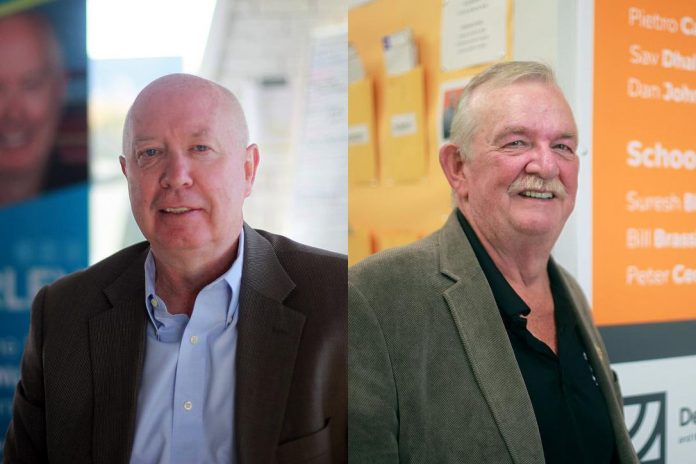
Photos from David P. Ball / StarMetro

In case you haven’t heard, Burnaby’s municipal elections are on October 20, and there are four mayoral candidates running this term. Included are Derek Corrigan, Mike Hurley, Sylvia Gung, and Helen Chang. Eight city councillors and seven school trustees will also be elected.

Students at SFU Burnaby need to be informed about their municipal government. We often look at federal issues like the Kinder Morgan pipeline, or hyper-local issues like SFU’s student government, but forget to look closer to home in our own neighbourhood. It’s saddening how some students I talk to haven’t even heard of the upcoming election. Some don’t even know who the current mayor of Burnaby is. Those who’ve heard of Derek Corrigan may be vaguely aware of his current actions within the city, or they may be completely apathetic.

However, we shouldn’t be. The choices that happen now in Burnaby will affect and change your future more than you realize. Being informed on where our mayoral candidates stand on key issues might alter your perspective entirely.

For those who don’t know, this election is somewhat centered around candidate Derek Corrigan. Corrigan’s already served Burnaby for five terms, but might lose his seat to Mike Hurley over the controversial housing issues plaguing the municipality — especially the recent “demovictions” around Metrotown. Demoviction is a term for when older low-income housing complexes located near high-density areas are demolished to build larger condos that can accommodate more residents.

Previous tenants of these demovicted buildings are finding it very difficult to find affordable new homes. This has been the central issue of the election for Corrigan and Hurley, with Corrigan receiving extensive backlash over it.

Retired firefighter Hurley first stepped up as a candidate in late June to challenge Corrigan’s approach to Burnaby housing, describing him as having “no empathy” for the stressed evicted residents. Corrigan blames Burnaby’s inability to prevent demolitions on provincial legislation and zoning bylaws.

Recently, new legislation has given B.C. municipalities to have more power over rental zoning, and Corrigan suggests the new housing could have the same rental prices as the demolished properties. He ultimately suggests a “one-to-one replacement.”

Is this merely a political move to regain supporters for the upcoming election? Hurley finds it “suspicious” that Corrigan is only now showing “real concern”. In an article by Burnaby Now, SFU political scientist Paddy Smith also suspects this move is a counter to Hurley’s campaign. I myself am suspicious of sudden promises or political moves right before an election.

No matter the reasoning behind the turnaround, the real issue at hand are the displaced residents who have nowhere to go. Hurley’s recently proposed solution is to place a moratorium on demovictions unless it’s certain that those displaced would have a guaranteed new residence with the same rent. Although his housing plans are not cemented in detail, his main platform is focused on addressing housing affordability.

Hurley has also suggested using some of the city’s money — as Burnaby has around $1 billion in reserve — to aid the housing issue. He criticizes Corrigan for his inaction toward finding solutions and shifting the blame to the provincial and federal government.

Corrigan has stated that Hurley “knows nothing” about how municipal politics work and criticizes his lack of experience of being on a city council. These criticisms only come off as petty. By bringing down someone with these kind of statements, what does that say about the speaker themselves?

Despite these comments, Hurley has been endorsed by the Burnaby Teacher’s Association as well as the New Westminster and District Labour Council. Also in support of Hurley is Joe Keithley of the Burnaby Civic Greens, who initially was also running for mayor, but pulled out to direct more votes to Hurley in hopes it will unseat Corrigan. Keithley is running for a Council seat instead.

Corrigan reminds the public of “the accomplishments [his party has] had over the course of the last thirty years in order to gauge what [they’ll] do in the future”, also adding the city’s progressive nature and prosperity was due to their hard work. He describes the housing issue as a “tough problem” with “no easy solution”. It seems that Corrigan is perhaps grasping at straws by trying to remind Burnaby of the “good things” he has done, hoping it will make voters overlook the drama around the housing crisis.

While it appears that some citizens of Burnaby are already taking sides, the official platforms for all four candidates have not been released at the time of this writing. Candidate profiles are at least on the City of Burnaby’s website, with a segment of Sylvia Gung’s description stating “abolishing municipal election campaigns can solve housing problems.” This comes off as very ironic considering she’s running in the elections. She’s perhaps most well-known for wishing to ban public displays of affection to supposedly prevent violence toward gay and lesbian couples — some odd logic to say the least.

More information has yet to be released as well for candidate Helen Chang. She was elected as a Burnaby school trustee for three years in 2005, and wishes to make Burnaby safe and inclusive. Chang and Gung aren’t directly involved yet with the demovictions drama between Corrigan and Hurley, but they may possibly bring proposals to the table of how Burnaby can be improved. This is something to look out for as well, as they’re all still active characters in this elections.

At the end of the day, remember that your vote does matter. This election has real and visible consequences, and people need to be as informed and active as they are for any other election. Place meaning behind your vote and create conversations with others about it. Nothing bad comes from being informed about the changes within your most local community, and who’s behind them

FNSA raises concerns regarding SFSS conduct in public letter

0
The FNSA has allied with Students of Caribbean and African Ancestry and the Simon Fraser Public Interest Research Group as part of the rotunda organizations seeking SUB space. (Chris Ho / The Peak)


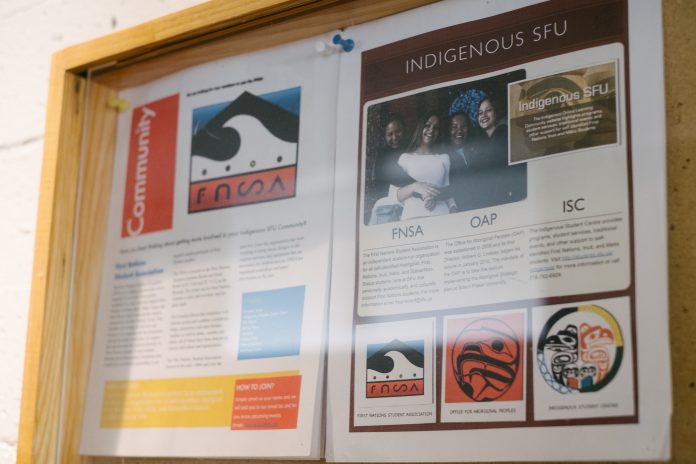
The First Nations Student Association (FNSA) posted a public letter on their Facebook page detailing their concerns with the conduct of the Simon Fraser Student Society (SFSS).

The letter, posted on September 21, cited examples of alleged mistreatment of the FNSA by the student society, such as the SFSS avoiding consultations regarding space in the Student Union Building (SUB), “denying cheque requisitions, and forcing the students who lead the organization to shoulder financial burdens,” and demonstrating “outright racism in denial of events and responses to FNSA governance initiatives.”

The letter noted that the FNSA’s communication with their members over the summer had been limited due to the “circumstances surrounding our negotiations and communications with the SFSS.”  

“Now that our membership and council have had the chance to discuss, we have agreed that our treatment by SFSS has been problematic, to say the least, and our attempts to reconcile with their board and leadership have been met with resistance and bad faith for years,” the letter stated.

“We hope that our struggle will continue to reveal SFSS’s disregard for the wellbeing of SFU’s marginalized communities — in particular, its students of colour.”

The letter went on to propose initiatives for the SFSS that would allow them to work towards becoming allies of the FNSA. These initiatives included “culturally appropriate” and “spatially accommodating” space in the SUB, “reliable financial security,” and direct consultation with the SFSS in all plans that involve the FNSA moving forward.

“Our dealings with SFSS is but one example of the asymmetrical distribution of power between institutions and Indigenous students and faculty at SFU.” – FNSA public letter

SFSS vice-president student services Samer Rihani spoke on behalf of the board to respond to the statements made in the public letter, stating in an email interview with The Peak that the society’s relationship with the FNSA had been complicated by the presidential impeachment.

According to Rihani, former SFSS president Jas Randhawa and vice-president external relations Jasdeep Gill had been the two main SFSS representatives in contact with the FNSA, “but were on both sides of the page.”

Rihani noted that further complications had arisen when Randhawa petitioned to provide SUB space for the FNSA while the SFSS was currently in negotiations with the student association.

Following the impeachment, Rihani wrote that “the [SFSS] board stands firmly on how we want to engage in meaningful conversation with FNSA, as well as other external groups. We are certain that we have a lot of good dialogue ahead of us, and groups can expect a total overhaul on what the SFSS is about.”

Concerns regarding interactions with the SFSS were brought up by FNSA board members during this year’s annual general meeting as well.

Following the impeachment of Randhawa, FNSA board member Matt asked whether the society would be held accountable for the work that had been done prior to the SFSS internal struggles. Jakob, also a FNSA board member, commented that the FNSA was “concerned about Jas’s impeachment because he’s been the first person from SFSS to come forward to us by his own accord and open up what we felt to be a productive dialogue.”

Gill responded on behalf of the SFSS, stating that the board was currently looking to set up a meeting time with the FNSA to continue their conversations and work with the student association. “We do want to sit down with you and see where we left off because that was a month and a half ago,” she said. “So if we can continue that conversation, we’re definitely ready for that.”

Matt raised concerns regarding the lack of funding and staff provided for the FNSA by the SFSS. “All the work that students put in, that’s all volunteer time,” he said. “All these students doing unpaid work, working with financials, bringing up annual budgets — all the work that we’ve done, it’s not compensated.”

He also brought up an incident regarding a bilateral agreement which has been drafted by FNSA membership and detailed how the student association was treated within the SFSS. According to Matt, the agreement was leaked online on May 25 without the consent of the FNSA. At the time of this article’s publication, The Peak was unable to find the bilateral agreement online.

The SFSS did not comment on the bilateral agreement during the meeting.


88rising to come to Vancouver in October

0
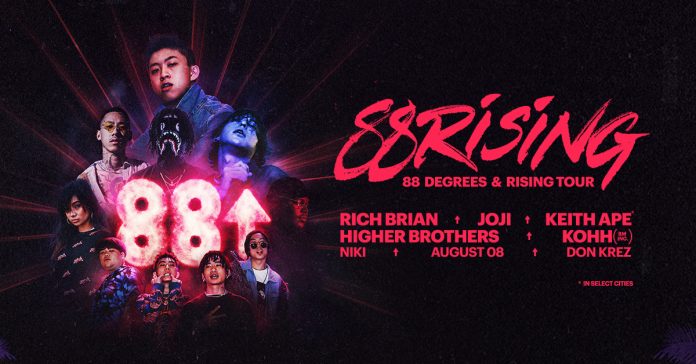
Photo courtesy of Live Nation Entertainment


Back in 2015, South Korean rapper Keith Ape’s “It G Ma” blew up the Internet, closely followed by Indonesia’s Rich Chigga (now known as Rich Brian) with “Dat $tick.” They were followed by a multitude of other new Asian hip-hop artists, and somewhere out of this frenzy, 88rising was born.

     In an interview with music magazine Pitchfork, 88rising founder Sean Miyashiro said, “A lot of people are wondering, ‘What is 88rising exactly? Is it a YouTube channel? Is it a management company? Is it a record label?’ It’s actually everything. Our general ethos is that we want to push this shit forward.” Miyashiro referred to it as “Vice for Asian culture.”

     In other words, 88rising is a movement. According to urban culture blog Highsnobiety, “the platform takes a holistic approach to artist development, working collaboratively with each talent to realize their vision rather than attempting to conform them to a particular market.” In this sense it differs from traditional record labels, which normally shape their artists into a specific image that they believe will sell.

      While one of 88rising’s main goals is to give Asian artists a platform and a voice in hip-hop culture, Miyashiro explained to Pitchfork that his main criteria for recruiting new artists is the quality of their music. In addressing fans who have been wanting to see Filipino artists on the label, Miyashiro responded, “Real talk, from a music perspective, if I don’t fuck with it, just ‘cause it’s from the Philippines, I’m not gonna put it up.” In other words, he first and foremost wants to promote talented artists.

      This new subgenre of hip-hop and rap has become so popular in Western culture that 88rising is going on a North American tour whose stops include Vancouver. The event will take place at the Pacific Colosseum on Friday, October 26 and will feature an exiting roster of artists, including Rich Brian, Joji, Keith Ape, Higher Brothers, KOHN, NIKI, AUGUST 08, and Don Krez (as a side note, it is not sold out yet).

      In an interview with  The Peak, Alicia Dang, vice-president external relations of the SFU Canadianized Asian Club (CAC) said that she has seen a lot of excitement surrounding the upcoming 88rising event in Vancouver, and around their movement in general.

     “When 88rising came out I was so excited because I had never seen anything like it . . . I thought that was really cool,” said Dang. She appreciated 88risings dedication to including Southeast Asian artists.

      “If you look at Rich Brian, he learned English by himself. I thought it was cool how he tried to immerse himself into American hip-hop culture, since there are not many Asians involved in it currently . . .  I think it’s just great that they’re blowing up.”

SVSPO brings annual #ConsentMatters campaign to all three SFU campuses

0
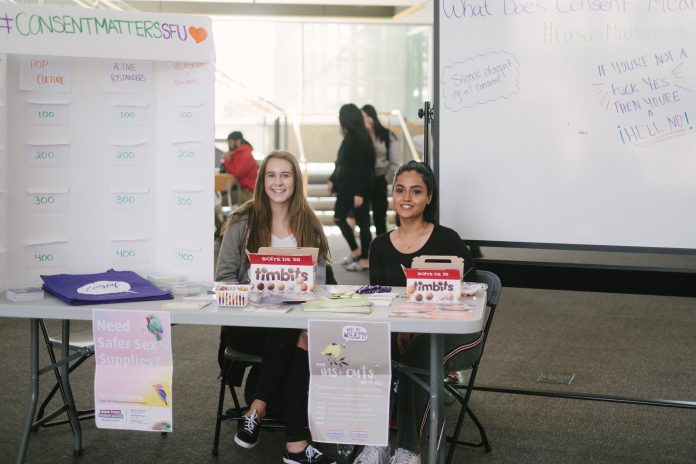
The annual campaign aims to raise awareness about sexual violence. (Chris Ho / The Peak)


SFU’s annual #ConsentMatters campaign took place this year from September 24 to 28. With items such as consent toolboxes (developed by the SFSS’s Women’s Centre), and pamphlets explaining the services of the SVSPO, #ConsentMatters informed individuals on the resources the university provides for those dealing with incidents of sexual violence.

The Peak also spoke with SVSPO director Dr. CJ Rowe about the impact the SVSPO and the #ConsentMatters campaign aims to make on SFU.


The Peak: Hello! Please introduce yourself.

CJ Rowe: Certainly. My name is CJ Rowe, and I’m the the director of the Sexual Violence Support and Prevention Office here at SFU. My pronouns are they/them/their.

P: The SVSPO is an imperative entity. Would you mind explaining what the SVSPO is, and how it’s been impacting SFU?

CJR: The SVSPO has been open since February 1, 2018. The office was created in response to the development of the sexual violence and misconduct policy, GP 44. It was legislated by BC that all institutions of higher education would have a stand-alone sexual violence prevention policy. So, the work that we’re doing is providing survivors (or acquaintances who have supported someone in their disclosure process of sexual violence misconduct) with an opportunity to engage with, what I hope will be, their healing process — whichever way it may look like right now, or in years to come. We really want to centre the voices and needs of the survivors so that they’re making the choices that are right for them.

P: The BC government is currently in their sexual violence prevention and support campaign for post-secondary institutions. Was the #ConsentMatters campaign created with this in mind?

CJR: To my understanding, the #ConsentMatters campaign originated two or three years ago as a partnership between SFU’s athletic department and student development services. The campaign that the provincial government’s developed, and the #ConsentMatters campaign, are two separate campaigns.  

P: What do you believe was the main incentive for creating the #ConsentMatters campaign for SFU?

CJR: I wasn’t part of that campaign, and its development a few years ago. With that said, I can speak to what our intentions are right now. Our intention with our campaign this year is to engage our campus communities in a conversation about what consent means, whether in a sexual relationship, a hook-up, a friend group, or our families. Consent matters in every aspect of our lives.  It’s about clearly articulating our wants, needs, and boundaries, as well as listening to other needs, wants, and boundaries.

P: Will the #ConsentMatters campaign be an annual event?

CJR: I would say yes. I’m excited to see what we’ve learned from this year’s conversation, and how we can start planning for next September. I’m also really excited to see where we might be able to grow partnerships so that we may be able to do a bit more next year . I wanna know: is the timing right? How do we more actively engage staff and faculty in this conversation? I would say that this year’s campaign is quite heavily student focused, but these conversations impact all of us.  


The Peak also interviewed Caitlin Doherty, a fourth-year co-op student interning with SFU’s SVSPO to learn more about the office and how it functions within the SFU community.


P: We hear of students being assaulted at universities. What are some tips for students to avoid being a bystander?

Caitlin Doherty: The SVSPO facilitates the ‘Active Bystander Network’, a network that provides strategies for how students can shift from being a bystander to an active bystander. The SVSPO and the ABN emphasizes the idea that it requires us all to challenge sexual violence on campus.

P: Where can students receive resources for help with sexual violence?

CD: We highly recommend that people come to the SVSPO. It’s in the Diamond Alumni Centre, but our case managers are available Monday to Friday to help all staff, faculty, and students navigate sexual violence-whether at any SFU campus or a safe, off-campus location. More information on support and education is available on the SVSPO’s website.


Album Reviews

0


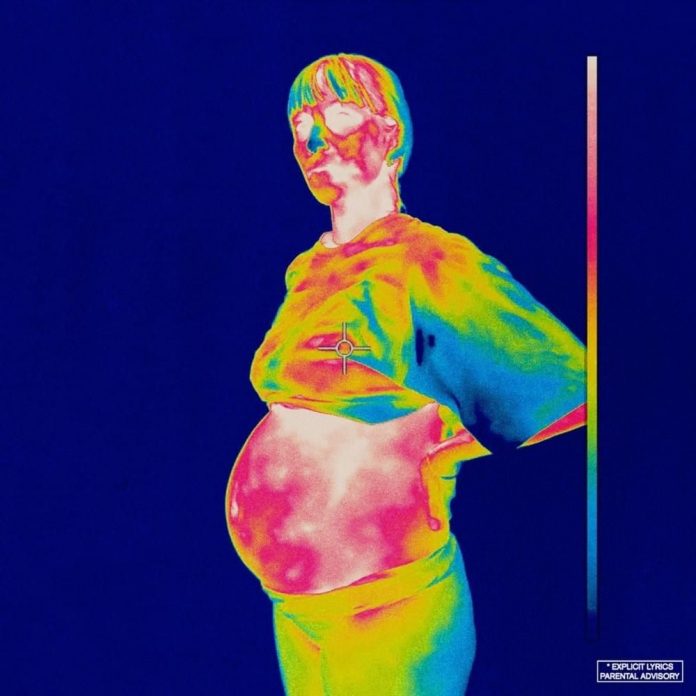
Iridescence by Brockhampton

2018 so far has been filled with many notable events for Brockhampton, like being signed to RCA Records, or dismissing former band member Ameer Vann. But the hip-hop group has since returned with iridescence, a passion filled album with bangers, and brilliance galore.

The album starts off with a hypnotic, tough, verse-centric banger that is “NEW ORLEANS.” While the album starts off with more heavy and over-saturated vocals like “BERLIN,” sweeter, almost shy tracks like “THUG LIFE” and “SOMETHING ABOUT HIM” lighten the album. “SAN MARCOS” stands as an anthemic, hopeful song on the album, and I see it as their next “BLEACH.” The album is bangers galore with infectious and heart pumping songs like “WHERE THE CASH AT” and FABRIC”.

Iridescence features some of Joba’s best verses, most notably in “J’OUVERT” as an unstoppable force of manic charisma. Something that I appreciated was the integration of band member bearface into more songs than just moody ballads, most notably on “THUG LIFE.” The album also includes some wonderful features, not only that of Jaden Smith on “NEW ORLEANS” but also serpentwithfeet on the poignant and stirring song “TONYA.”

While this stands as the beginning of THE TIME OF OUR LIVES instalment, and while diehard Brockhampton fans may have had reason to fear that after such a rocky few months that this boy band may be done for good, iridescence proves these boys will continue to be an unstoppable force in hip-hop.


No Shame by Lily Allen

No Shame stands as a long-awaited and difficult comeback for Allen. After years of turmoil struggling with addiction, a divorce, and a stalker, Allen steps back into the music scene unabashedly herself: flawed and regretful, but still full of hope and music.

“Come On Then” kicks off the album on a slow note, but with a heavy trap beat, coming with the most striking and painfully honest lyrics “Yeah I’m a bad mother, I’m a bad wife.” By far what stands as the best track which was also the leading single was “Trigger Bang,” a catchy but chill anthem that takes account of the diva’s past party days from a mature perspective.

Some songs definitely fall to the wayside — like “Higher” and “Lost My Mind,” which fall into the tired pattern of too-heavy hip-hop instrumentation and wandering, over-tuned vocals on Allen’s part. A few notable tracks also include the upbeat “Pushing Up Daisies” which is reminiscent of Allen’s pop sound, just as flirtatious but a tad more shy, and “Apples” which is a quiet, sorrowful rumination on losing her marriage.

While No Shame may not be Allen’s strongest album, it shows her at her most emotionally vulnerable, making it her most groundbreaking. 

Students comment on accessibility, accountability, and engagement during SFSS AGM

0
(Azat Bayandin / The Peak)


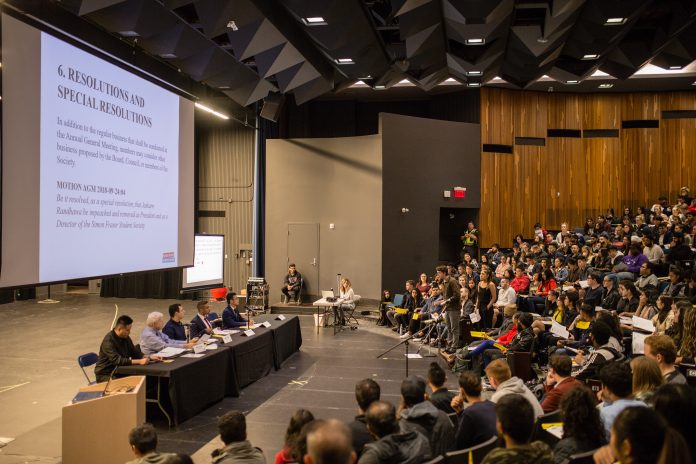
The 2018 annual general meeting (AGM) held by the Simon Fraser Student Society (SFSS) saw significant student turnout, though the number of attendees dropped following the impeachment of former SFSS president Jas Randhawa.

Following the special resolution to impeach Randhawa, the meeting’s agenda involved the receipt of the SFSS’s annual finance report by vice-president finance Matthew Chow, the receipt of the society’s audited financial statements, and an open space for SFSS members to propose discussions.


Finance reports

Chow reported on the student society’s revenues and expenses. In the 2017–18 fiscal year, the SFSS earned $11.3 million in revenue, 96.2% of which was attributed to activity fees and levies applied to students’ tuitions. 49% of those fees were dedicated to services such as the U-Pass and the healthcare plan provided by the SFSS, while 51% of those fees were allocated towards the Build SFU project, which encompasses the Student Union Building (SUB) and the stadium project.

Chow noted that revenues outside of activity fees had fallen 60.5% since the previous fiscal year owing to the surrender of the food and beverage services lease. Total revenues this fiscal year had increased by 1.47%

The society’s expenses totalled $9.2 million, which provided a net surplus of $2.15 million. While total expenses increased by 2.2%, isolating the expenses associated with the food and beverage services lease surrender led to a decrease in expenses by 2.3%.

The society incurred a $1.4 million loss on the food and beverage services, but Chow noted that the lease surrender included a 35% entitlement on the tenant’s annual minimum rent for the next decade, so the current losses were not an accurate reflection of the lease surrender’s impact on the society’s financials.

Due to the new service delivery agreement with Fraser International College (FIC), the SFSS was projecting to add an additional $789,000 to their revenue streams the following fiscal year.

Gary Wozny presented the audited financial statements on behalf of the firm Tompkins Wozny LLP, the society’s auditors. Wozny reported that the society had spent approximately $25 million to date on the BuildSFU project.

The end of the fiscal year saw the SFSS with $38 million in assets and $21.2 million in liabilities.

A SFU student who identified themselves as the president of SFU Autistics United stepped forward to note that, while the club was listed among those who had received accessibility funding from the SFSS, the club had not received any funds form the society.

“We did our work and the committee didn’t do their part,” they stated. “We received zero funding for ASL interpretation that we requested well ahead of time.”


SUB space issues revisited

A significant topic brought forward during the open discussion period was space in the SUB for the organizations that currently occupy the rotunda. The discussion was initiated by representatives from Students of Caribbean and African Ancestry (SOCA) and the First Nations Student Association (FNSA).

FNSA board member Jakob commented on the decrease in attendance following the impeachment: “This room cleared out before we were able to speak, which I think demonstrates the engagement of the student body and their real concerns for us here,” they said. “I hope the SFSS has higher aspirations for the student body, and the ball’s in your court.”

As the president seat is currently unoccupied, vice-president student services Samer Rihani noted that the presidential responsibilities would be distributed among the five vice-presidents present on board. When asked by a student which vice-president would be “responsible for fixing the relationship with your stakeholder groups,” referring to the organizations which currently operate within the rotunda, Rihani responded that the group would act collectively moving forward.

“We’re gonna be trying to make more statements collectively,” he said. “We’re going to try and answer things collectively, work with you guys as whole team rather than one or two of us sending you answers that the whole board can’t agree to.”

A SFU student who identified themselves as an active member of music groups on campus asked whether the dance studio being designed in the SUB would be appropriate for musical groups such as choir and orchestras due to sound levels. They also asked whether storage space would be provided for musical equipment.

Vice-president university relations Jackson Freedman responded that the individual directors were not aware of the restrictions on the usage of the dance studio.


Integration of FIC students discussed

Former FIC students Simran Randhawa and Martha questioned how FIC students were to be integrated into the SFSS following the new service delivery agreement.

Martha noted that FIC students had not been allowed to attend this year’s AGM.

SOCA president Giovanni Hosang asked whether FIC students would be allowed to vote in future SFSS elections. “It’s important that when you’re taking money from students [ . . . ] they have a voice,” spoke Hosang.

Freedman responded that he was not aware of whether the new service delivery agreement enabled FIC students to vote in future SFSS elections.


Concerns raised surrounding accessibility of SFSS

The accessibility of SFSS services and meeting times was discussed during the open space session of the AGM as well.

Gabrielle McLaren, SFU student and features editor for The Peak, raised concerns regarding the closure of Out on Campus for the second time this year and asked the society to consider taking steps in the future to ensure the service would be consistently available for students.

Grace Mathisen, president of SFU’s film student union, raised concerns about the suitability of the Leslie and Gordon Diamond Family Auditorium as the sole location of the AGM. “The fact that there’s 25,000 undergraduate students and this hall can only fit 250, that’s like one percent of the student body to be able to show up,” she said. She proposed that, in the future, the board consider providing students on other campuses with the option to remotely attend these meetings and make comments on the discussions.

A second-year student stepped up to ask whether the SFSS could extend its engagement with the student body beyond Clubs Days and other events to inform students more thoroughly about their student government.

In response, Rihani encouraged students to attend SFSS committee meetings and propose motions and ideas. He noted that, while the SFSS had failed to advertise these options to students, students still had a lot of power when it came to influencing committee decisions. Rihani emphasized students external to the committees could be as involved as committee members in all aspects except for voting.

“A lot of the questions that have been posed to us on the floor so far are questions that we could probably answer in committees,” he said. “What we’re going to try to do is really just reach out to people and invite them to our committee meetings. Sit down with us, hear the ideas, bring proposals to our table.”


Questions regarding by-election

Freedman noted that the SFSS board had not yet made a decision on whether a by-election will be held to replace the vacant positions on the board of directors.

During the open space discussion, a SFU student stepped forward to urge the society to hold a by-election this fall. “We have an opportunity now with all the comments that are coming in right now from these groups here [. . .] to add new perspectives to the board with all that’s happened over the last summer and with all of the changes that are happening to the way the SUB’s being handled,” they noted.

Freedman noted that the society’s first steps following the impeachment of Randhawa was to rebuild their membership’s trust in the SFSS. “I think we’re gonna put together a pretty comprehensive plan to rebuild trust in student government across the board. This kind of process [. . .] it certainly doesn’t look good on any kind of student organization,” he noted.


Meeting delayed by smoke bomb

The meeting, which was originally scheduled to begin at 1 p.m., began nearly two hours later at 2:55 p.m. due to the smoke bomb that was set off minutes before the beginning of registration.

The crowd of students waiting outside Convocation Mall for the beginning of the meeting included members of FNSA who were drumming and students holding signs for both the SOCA and SFPIRG SUB space campaigns. There were also students holding signs protesting against the impeachment of Randhawa.

We should’ve been able to vote for the impeachment online

0
Photo by Azat Bayandin / The Peak

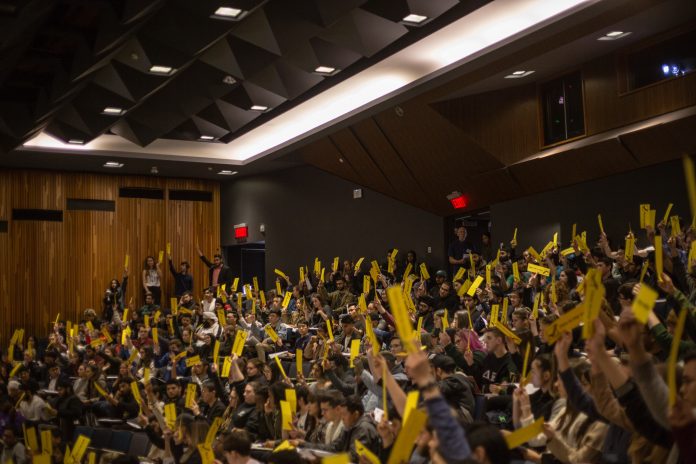
The recent annual general meeting (AGM) for the Simon Fraser Student Society (SFSS) was a circus. Someone set off a smoke bomb in the Leslie and Gordon Diamond Family Auditorium right before voting registration, forcing attendees to wait over two hours for the meeting to begin. Convocation Mall was full of cold, anxious students who took time out of their day to listen, speak, and vote on various issues, particularly the impeachment of former SFSS president Jas Randhawa. Once underway, the meeting contained emotional speeches, speaking rules conflicts, and complex legislation.

While I was waiting among the crowd to enter, I overheard someone asking their friend, “Can’t we vote for this online instead?” While this AGM was massively important, I can’t help but agree with this student’s frustration.

To discuss this, it’s important to know the legislative reasoning for why an impeachment has to be in-person is unclear. The closest that seems to be present is the SFSS bylaws requiring impeachments be done by special resolution (by-law 17), which seem to imply an in-person quorum.

There’s also plenty of potential reasons for this outside of policy. Impeachment is a serious issue, and it’s important to allow people’s voices to be heard through the process. Board members of the SFSS and passionate students spoke at this AGM — many of them wouldn’t have had as good of an outlet to talk to voters if all of them voted remotely.

There’re also plenty more things that came up at the AGM besides the impeachment —  particularly concerns regarding space allotted to student groups on campus. This is not an argument against AGMs, but rather against the inability to cast proxy votes for this special resolution — which, based on the wide attendance, was a major decision that many people wanted to participate in.

However, while students may want to participate, they don’t necessarily have the time to go through it all. This meeting was not something most students could have reasonably dedicated time towards. This isn’t to say the smoke bomb was handled improperly, or that the SFSS should have foreseen so many statements of different tones and subjects throughout the meeting. Nobody could have predicted the range of things that happened. But even under typical circumstances, this meeting would still have taken at least two hours out of our Monday afternoon, which is a tough sell.

Unexpected problems aside, the SFSS has severely failed to provide support for this scheduling need. While it seems reasonable for someone to be excused from lectures or tutorials, this has not been advertised by the SFSS whatsoever before this meeting. The only information about academic accommodation on their website is a page with a letter that you can send to your profs in-advance of the meeting, but it’s dated for the 2015 AGM on September 22nd and has no indication whether it can still be used.

Even if you were to go through that effort for an AGM though, there’s no guarantee that it would pay off. Many profs don’t record their lectures, tutorials may have discussions that can’t be noted down, and it’s not even certain if they’ll approve of your letter as a valid excuse to begin with. We are here spending tuition to go to class, and we can’t just ignore it if the AGM happens to be inconvenient.

This also doesn’t include other responsibilities held by students including work, family obligations, social obligations, et cetera, and it’s unfair to say that they need to plan around this. Being online for a yes/no question cuts the time immensely and guarantees a greater voterbase. Ensuring maximum participation is part of why we elect these representatives online in the first place; impeachment is just as important a decision as election.

For those who had the opportunity to go without missing anything, or those who skipped responsibilities to attend, the meeting itself wasn’t entirely worthwhile.

This isn’t to say I think the results of the vote would be different online, or that the decision was made in an improper fashion. But by having it online, we wouldn’t have had to listen to all the confusion of rules surrounding how to speak in the meeting. We wouldn’t have had to sit through a moderator who couldn’t even pronounce Jas Randhawa’s name while resolving the impeachment. We could have determined a verdict with greater ease and more voters.

There absolutely is value to the impeachment being an in-person vote. It was an incredible moment to witness students wanting to make their voices heard. But making this decision dependent on AGM attendance was risky, and it damaged a lot of other important parts of this AGM. We got lucky that the vote was able to reach quorum and come to a firm decision, because it did this against so many odds. Participation in student government should not rely on this unreasonable standard of attendance.