Home Blog Page 350

What Grinds Our Gears: Course planning

0
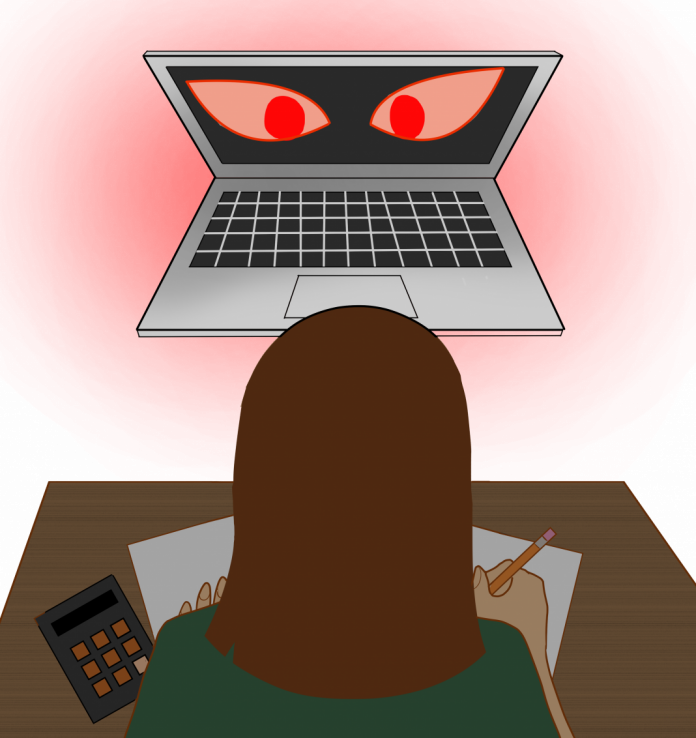
While students are asked to plan ahead, it is made impossible because there are no course outlines. PHOTO: Michelle Chiang / The Peak

“Here we go again,” I sighed as I opened the email about my enrolment appointment last month. I scrolled through the Fall 2021 list to see what courses were available. Of course, mySchedule wasn’t ready until June 28, even though enrolment would begin on July 5. As a visual planner and a full-time co-op student with limited time, this was already frustrating. 

But that was just the beginning. I looked for an upper-division required course and was surprised to see the name of the professor and course syllabus were still missing from the course’s description. Okay, move on, let’s see some electives. There were very few that fit my schedule and applied for my concentration. I found a rare course that seemed really interesting — but it had no grading scheme again! Fabulous. 

It’s really difficult to choose courses without the grading scheme. Without it, students have limited options to play to their strengths and keep up their GPA. I, for one, try to steer clear of exams with a lot of weight attached to them, especially after remote learning difficulties. I prefer assignments and essays since they actually help improve vital skills like research and writing. 

We’re just asking for some basic information, SFU. It’s ironic that we’re always told to plan ahead as students, when we don’t have access to a lot of important information required for said planning.

I’m proud of being disabled

0

I can’t count the school days I missed growing up because of my disabilities. Gastrointestinal issues like GERD (gastroesophageal reflux disease), IBS (irritable bowel syndrome), and functional dyspepsia (recurring signs of indigestion with no obvious cause), alongside my anxiety and depression, kept me from participating in my classes. I had so many absences in high school, my school threatened court hearings to investigate my missed days. Even when I was made fun of for my OCD’s “quirks” and I hardly socialized at all, I didn’t consider myself to be functionally impacted by any conditions because I was often adored by teachers for being quiet and reorganizing their things. 

In just about every sport and PE class I participated in since I was 12 years old, I’ve required accommodations and breaks to manage my chronic pain and fatigue. By the end of high school, I was showing up to practices with four braces, a splint, and medical tape all over me. Still, I shook the idea that I could be disabled. It was a word I was raised to believe could never describe me, and one that was cloaked in shame and distress — or so I had been taught.

I have had disabilities most of my life, and it took until I started university for me to really acknowledge them and unlearn the shame with which I was raised. Now that I have embraced my disabilities as part of me, I’ve realized just how inseparable being disabled is from the rest of my identity.

When I came to SFU, I had to leave my then-team of supporters. This included my therapist, two clinics of physiotherapists, an orthopedic surgeon, and the family clinic that had all gotten to know me well. Then I found my new support team. As I developed new conditions and my older conditions remained, I was still hesitant to consider myself disabled. It wasn’t until connecting with other disabled people through SFU and the greater disability community, and recognizing the ableist barriers I face, when I really understood I have a place in the disabled community.

In my first year of university, I began experiencing more severe symptoms of what has now been diagnosed as borderline personality disorder and bipolar I disorder. I also had traumatic experiences before moving and during my first year which exacerbated symptoms to dangerous points. By my second year at SFU, I saw rapid changes in my inner ear condition, Ménière’s disease, which further impacts my hearing and causes me unpredictable episodes of severe vertigo, sudden falls, and poor balance. Watching myself lose more and more functionality over the years was a wake-up call — I could no longer hold onto the discomfort I had. Why would I be uncomfortable admitting I need some support or that I’m limited in what I can manage in a day? Why should anyone be ashamed of their disabilities?

In some ways, my disabilities are tied to the ableism that closely follows them and to the systemic barriers I face. Some healthcare providers, professors, and even my peers have taken them as a reason to treat me with little respect. While I do struggle with how others may treat me based on some of my disabilities, I know there is much more to being disabled than the trauma we sometimes live through. While being disabled has meant, for me, experiencing ableism, my disabilities are much more intertwined with the love I have for my community than the barriers we face. Disabled people are everywhere, and we are worthy of respect and love.

I no longer think of my disabilities as something that went wrong like I internalized growing up. This is who I am, and whether I was born with disabilities or developed them later, they are a part of me, and I embrace them. I still struggle to manage many of my symptoms and can never live a totally symptom-free life; however, that does not make me worth any less. These parts of me are just that: integral to the way I view and interact with the world around me. 

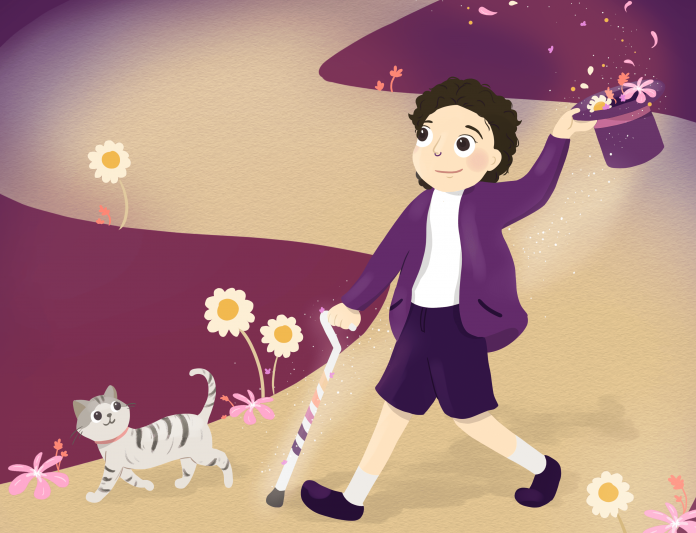
Since accepting chronic conditions as a part of my life, I’ve become more confident in myself. I have learned to use a cane some of the time to manage my balance, pain, and fatigue. Buying my first cane was not the scary experience a younger version of me might have thought; it feels freeing to embrace something that makes me more confident in safely moving around, and I even painted fun colours on it to express myself! 

As I embrace my disabilities, I am more comfortable fighting against the barriers I’ve faced my whole life. I have learned to coax pride out of myself and wear it everywhere, more like a blanket than armour.

Growing up, I may never have imagined that I would be disabled, but I also never imagined the amazing community I would find or the journey I would go on because of my disabilities. I am proud of who I am, disabilities and all.

The Simpsons predicted my death

0
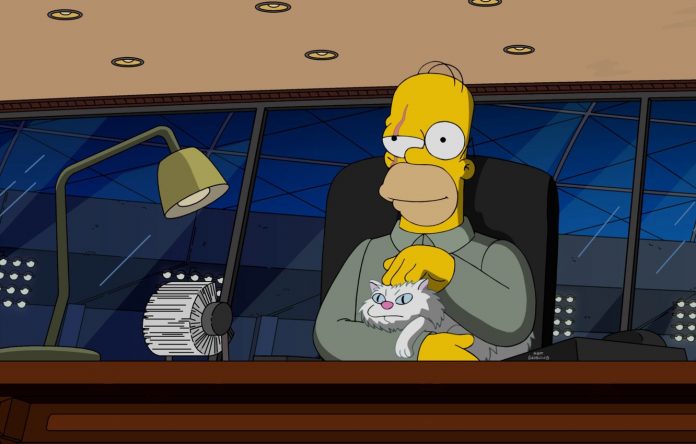
SCREENSHOT: Disney+

So there I was, scrolling through Disney+ for literally anything to watch, when I stumbled upon The Simpsons. I had never watched it before, so I thought I would give it a shot. Hell, it’s been running since 1989, so it has to be good . . . right?

I pressed play. The face of Homer Simpson, looking straight at the camera (is it a camera if it’s a cartoon?), filled my screen. He stared for a couple of seconds, long enough for me to check if I had accidentally clicked pause.

“Marco Ewald Ovies,” he said, still looking directly at the camera. 

The remote fell with a clatter to the floor. God, what a terrible middle name I was given. Ewald? Thanks, Mom and Dad. Like my last name didn’t already sound like ovaries. You just wanted to guarantee I was bullied, huh?

“I am talking to you, my child,” Homer said, blinking slowly. “Judgment Day has come.” 

He wasn’t looking at the camera. He was looking at me. I quickly moved to turn the TV off, but the remote wasn’t working. 

“I am as old as time itself,” Homer continued, “Tempting mortals for long before you were born. I am the serpent in the Garden of Eden. I am Pandora’s box. I am the last bit of ice cream you knew was not yours because you ate your share at 2 a.m. crying while watching Monsters, Inc. after a breakup.”

“Hey! I was making a lasagna with . . . lots of onions. That’s why I was crying,” I said. 

“There is no time for toxic masculinity, child. Not when death awaits you for your crimes.”

A mustard yellow hand reached out from the television and grabbed my living room table. Homer started to pull himself out of the television like that creepy demon thing with the long black hair from that movie I can’t remember the name but am too scared to watch. 

Startled, I pushed the living room table back with my feet so it would slam against the TV stand. “What crimes?!” I yelled, watching the TV fall forward onto the table. 

“You knowingly chose to watch a show that has hints of racism,” he said, lifting the television up and finally crawling completely out. “You know full well that Apu Nahasapeemapetilon is voiced by a white man.”

“No!” I exclaimed, scrambling up from the couch and beelining towards the door. “That can’t be why! Bo Burnham dressed up as Aladdin when he was 17; where were you when I watched his new special Inside?”

Homer grabbed my ankle as I was trying to make my escape, pulling me down to the floor. 

“Well, Bo Burnham is my favourite comedian. I mean, did you see how good he looked in that sexting bit?” Homer said casually as he pulled me in closer. “You had to have seen how big his dic—” 

Summoning a burst of strength, I kicked Homer in the face and he let go of my ankle. I got up quickly and turned around to take one last look at him. His dots for corneas had turned a deep red. 

“You can’t just give him a pass because he’s your fave!” I shouted as I left. 

It’s been three days and I’m still on the run. Every time I think I’ve gotten away, he always appears right around the corner. People always say The Simpsons is great at predicting the future, and I guess sometimes they’re right. But not for me — I’m in charge of my own destiny now. 

About the author: Marco Ovies died minutes after submitting this piece by running into traffic at the sight of the yellow M&M’s mascot. He requested a GoFundMe be set up in the event of his death, but he never specified what the money would be for. So we did not do that.

We should be more cautious of the delta variant 

0
A picture of the COVID-19 virus.
Whether you have in-person labs or just need to visit for the school wifi, be sure to respect others’ boundaries. Animation / Unsplash

BC is bolting into its reopening plan. At stage three, we can have personal gatherings, organized gatherings at half capacity, and national travel. BC only has 52% of the population fully vaccinated. With concerns surrounding the delta variant, we still need to be cautious and continue to integrate pandemic guidelines such as masking, distancing, and being mindful of ventilation. 

While the large majority have received their first dose, they still have about a 20–50% chance of contracting the original strain of COVID-19. It is still unknown how vaccines will protect against variants; the delta variant has already infected fully vaccinated individuals. With findings showing it is the most contagious among all the variants — spreading during the early stages of infection and potentially taking up to four days to detect — I’m not sure why there isn’t more concern. Emphasis on vaccinations also disregards those who are unable to be vaccinated due to underlying medical conditions.

COVID-19 cases are declining in BC; however, some aren’t considering that the pandemic is still ongoing. There was a huge street party on Commercial Drive following the Italy win of Euro 2020 — where people were crammed together and largely unmasked. I’m not sure how so many people could have ever thought it would be a good idea to gather so unsafely. 

It’s well-known that COVID-19 is a sneaky virus. In countries where the pandemic response has been praised, places like Seoul are now struggling with lockdowns due to the delta variant — with more cases and heavier measures than previously recorded.

We have been in this pandemic for over a year now, and I’m just as eager to sit in a café without worrying about COVID-19 as the rest of us. We’re simply not there yet. 

I don’t understand why we wouldn’t be more cautious when experts have been warning us for months to be wary of variants, especially when the large majority of current COVID-19 cases are made up of variants. Even SFU is gearing up for a full reopening without the requirement of masks in all areas — largely ignoring the needs of immunocompromised students. 

BC guidelines have relaxed mask regulations, making them a recommendation for those who aren’t fully vaccinated. However, it is nearly impossible to know who actually has their second dose. I’m not sure why we’re opening up the air to be so full of germs again, because frankly, I’m not excited to be breathing the same dirty oxygen as the rest of you. 

Taking all of this into account, I think we should be concerned about our reopening. At this crucial point in the pandemic, all of our progress can quickly be thwarted by pure carelessness. Jumping into our routines again isn’t something to take lightly. It should be done mindfully. If we don’t, it could cost lives.  

SFU’s convocation traditions faces mixed reactions

0

Content warning: mention of residential schools 

From June 24 to 29, SFU held virtual convocation ceremonies for the June 2021 graduates. “If you tune into SFU’s Virtual Convocation this June, you’ll notice a set of updated convocation traditions stemming from SFU’s ongoing commitment to reconciliation,” SFU said in a news release. 

Their new practices include xʷməθkʷəy̓əm (Musqueam) ceremonial drumming and singing during the opening ceremony, a Coast Salish welcome message, redesigned regalia for the chancellor and president, and a land acknowledgement. These traditions were followed by the Canadian national anthem.

This was met with controversy online. 

Under the #CancelCanadaDay tag, SFU Students of Carribean and African Ancestry president Balqees Jama tweeted, “Stomach feeling twisted when I hear the Canadian national anthem sung at SFU convocation amidst all the collective grief Indigenous people are dealing with at the hands of colonial Canada.” SFSS Science Representative WeiChun Kua said, “Was really unsettling to have the national anthem played and then have [Joy Johnson] talk about residential schools.” 

The Peak reached out to the First Nations Student Association for their thoughts on the subject. 

A board member who asked to remain anonymous said, “My answers are my own opinion. I am Indigenous but I do not represent the opinions of all Indigenous peoples. The following is my reflection based on my personal experience and family history. I strongly encourage readers to get to know the Indigenous peoples and the history of their region.”

She said the Canadian national anthem — as well as all other anthems — are colonial to an extent, as it celebrates the country’s history. Ultimately, she believes the national anthem’s meaning is “vague and open to interpretation.”

The board member explained that, before the anthem, “Alec Dan shared a beautiful drum song, the Paddle song. In addition, Elder Margaret prayed all before the SFU choir sung the Canadian national anthem. This is similar to having an Indigenous flag hanging higher than the Canadian flag.”

She added, “The paddle song and prayer were beautiful. If Alec Dan and Elder Margaret are reading this, marsii, thank you for sharing your song and for the prayer.” 

In regards to the anthem itself, she said, “We must remember that SFU was in a very tight spot. Any and all action would be seen as controversial [ . . . ] SFU was being political in their choice.” 

Director, media relations and public affairs Tiffany Akins said in a statement that SFU is devoted to reconciliation, which includes “examining the truths of our past and present. Some convocation traditions have carried on through the years.”

The board member added, “The opening ceremonies were not perfect and they could have done more. SFU is, after all, a Canadian institution — they are bound to rules, funding, political sway, and more factors than we as students are aware of.”

Akins said the new traditions have been added to “pay respect to the peoples on whose unceded traditional territories our campuses are situated. SFU’s Ceremonies and Events team hired Nicole Taylor-Sterrit as manager of Indigenous event protocols. 

Taylor-Sterrit’s responsibilities include finding ways to integrate Indigenous practices in university events and traditions. She wrote on SFU News, “Indigenizing convocation gives us an opportunity to educate, incite questions and foster dialogue around the history of Indigenous peoples in Canada, Indigenous protocols, ceremonies and reconciliation with our community.”

“Reconciliation is about healing.” The FNSA board member added, “Listening and acting according to Indigenous voices are key to healing. 

“We will still be here in seven generations, but our wounds should not take seven generations to heal.

“SFU needs to have ongoing communication and a continuous open dialogue with Indigenous peoples including students and the surrounding communities.” She suggested giving Indigenous presenters the same amount of time as SFU board members during meetings. For example, she said the university should include Indigenous people in conversations about university developments such as the First Peoples’ Gathering House.

“A stamp of approval on the products of a working group is not reconciliation. We need to be present at every step,” she said.

Find out more about SFU’s steps towards reconciliation on their website. 

SFU study finds overall bee population decline exaggerated

0

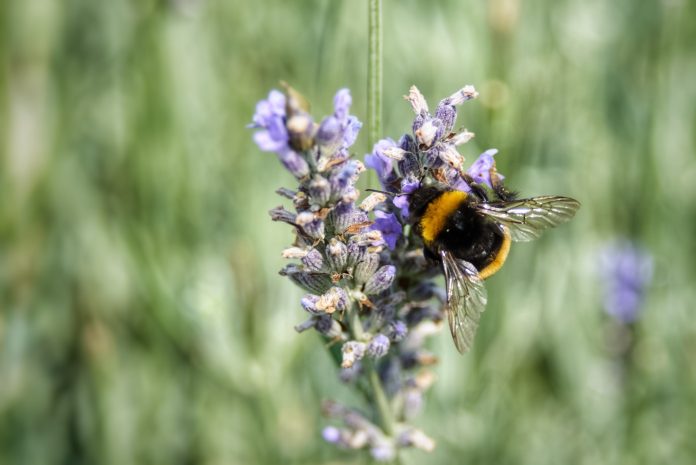
While some bee populations are in danger, average population declines have been exaggerated, according to a new SFU study. Where some studies have shown rapid and severe decline in many species, the situation is not as dire as previously thought, and research may help focus bee conservation on the species most in need, like the endangered Bombus bohemicus.

Researchers Dr. Laura Melissa Guzman, Dr. Leithen M’Gonigle, Dr. Arne Mooers, and PhD candidate Sarah Johnson documented information about bee populations with a new research model. 

Lead author Guzman said she read a study last year that showed bee populations dropping drastically, and her team was curious about how the data was collected. “We decided to do the simulations to figure out whether different modeling decisions could affect or bias your results.” 

In the SFU study, data was collected from observations in bees’ natural habitats. The information on what species were observed, when they were seen, and where they lived came from museum data, historical records, and citizen science observations — such as apps like Bumble Bee Watch and iNaturalist. 

Where the initial study observed species in North America and Europe, not all species were observed in their native habitats. Some North American species had been observed in Europe and vice versa, which may have affected results, according to Guzman. Some of the first study’s data may also have been inaccurate from counting no bees present when the bees were likely unobserved on that particular day, Guzman explained. 

Guzman noted it’s particularly important to identify “which species are declining and why.” The team collected data where species could naturally be found, and compiled data from what had been observed elsewhere.

While the initial study saw a 46% loss of North American bee populations in the last century, the SFU study found that only 5% of the total population had been lost with their observations. 

While some species saw declines, others remained unchanged. Bombus bohemicus —  a parasitic bumble bee — had one of the largest observed declines due to a decrease in its hosts, according to Guzman. Other species, like bombus cryptarum, increased their populations from taking advantage of environmental changes. With these observations on various species, more at-risk species can be prioritized in finding solutions, according to Guzman.

“It’s really important to focus on bee conservation.” She said we depend on pollinators like bees to “pollinate up to 75% of all our crops,” which keeps our food system healthy. Pollinators are especially important in BC for plants like blueberries and tomatoes. According to Guzman, bee decline may be a result of climate change, pesticide use, lack of host species, and other factors. Models like her team’s study can help discover and address these concerns.

To support conservation efforts, it is important bees have enough floral resources. They need floral diversity, enough habitat space, and areas without pesticides. Planting native plants and pollinator strips in an effort to support pollinators may be a solution to some issues. 

Though some bee species are struggling, this study observes that not all bees are in as much danger as previously thought. Guzman said, “There are some species that are able to take advantage of some of the agricultural changes that we’ve had, and so it doesn’t mean that it’s doom and gloom for every single species.”

SFU improves ventilation across campus to reduce COVID-19 transmission

0
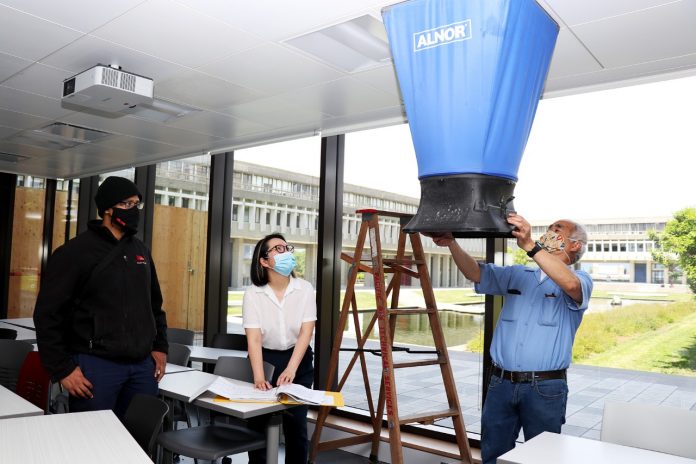
Photo Courtesy of SFU

As SFU prepares to reopen campus in the fall, Facilities Services is improving the university’s heating, ventilation, and air-conditioning (HVAC) systems. This is to meet indoor air quality standards set by the American Society of Heating, Refrigeration, and Air-Conditioning Engineers (ASHRAE).

Developed with guidance from the Provincial Health Office, Ministry of Advanced Education and Skills Training, WorkSafeBC, and ASHRAE, SFU’s new ventilation measures include:

  • Regularly reviewing standard ventilation measures and maintaining HVAC systems
  • Replacing centralized HVAC system filters with the highest filter compatible with the building’s existing infrastructure
  • Reducing pollutants by air flushing in buildings two hours prior to occupancy each day
  • Circulating fresh air whenever possible

“In areas where ventilation could be improved, solutions have included programming changes, minor equipment maintenance, modification of equipment design, and implementation of reduced occupancy while a long-term solution is developed,” associate director, building grounds Dan Cooper said in an interview with The Peak.

According to Mayo Clinic, outdoor air circulation lessens the chances of breathing droplets or aerosols containing COVID-19. SFU aims to mitigate the spread of COVID-19 by ensuring an adequate supply of fresh air is maintained across the university. 

Indoor spaces where people are in close proximity may increase COVID-19 transmission. 

According to Cooper, proper ventilation “is only effective in conjunction with all other public health measures.” This refers to vaccinations and isolating when feeling unwell. Cooper said SFU aims to update measures according to COVID-19 provincial public health authority guidelines.

The improvements were initiated in May 2020 when SFU Facilities Services began an audit of the air ventilation quality throughout campus to be completed by the end of Summer 2021.

Learn more about the university’s campus ventilation plans on their website.

Toxic veganism is turning people away

0
PHOTO: Gabriel Gurrola / Unsplash

I was transiting home one day from school, waiting in line for the bus at Surrey Central Station. It was then that I was bombarded by a group of masked animal rights activists, each holding a tablet and shoving it in people’s faces. The videos playing on the tablets were of animal abuse, and I won’t go into any more details than that. They chanted “eating meat is murder,” eventually hooking up one of their tablets to a big speaker so the whole bus station could listen. This happened four years ago, but that is still exactly who I picture when I think of the word “vegan.”

I understand they are very passionate about their message, and I completely agree that animal cruelty is wrong. But something about the way they were communicating their message was off. Instead of providing a welcoming atmosphere for people to ask questions and better understand their cause, they created a hostile environment which ended up with the police escorting them away. Instead of converting me to veganism, I felt like if I identified as a vegan I would be considered the exact same as them.

Fast forward a couple of years and I began to do research into plant-based lifestyles and climate issues, with the help of my parents who had converted to being plant-based. And yes, converting to a plant-based diet would definitely cut carbon emissions. Groups like Green America say, “One of the quickest ways we can lower our collective greenhouse gas emissions is to eat less meat.” But note what they said. Less meat — not zero meat. 

What sounds more reasonable to you? Someone telling you to immediately stop eating meat for the rest of your life or someone telling you to reduce the amount of meat you consume? The answer is the latter, of course. 

While this animal rights group did mean well, their methods were harmful, toxic, and I guarantee I was not the only one turned away from veganism that day. You can’t expect people to change their lifestyles instantly, but asking for small incremental change is significantly easier. 

If you really want to make a change, no matter what your cause is, you need to create an open and welcoming environment for everyone. Don’t start screaming in someone’s face who is just trying to get home from a long day at school. Lead with compassion and understanding, not hate. I promise you it will be more effective in the long run.

Four infamous tweets that should be made into feature films

0
PHOTO: Marten Bjork / Unsplash

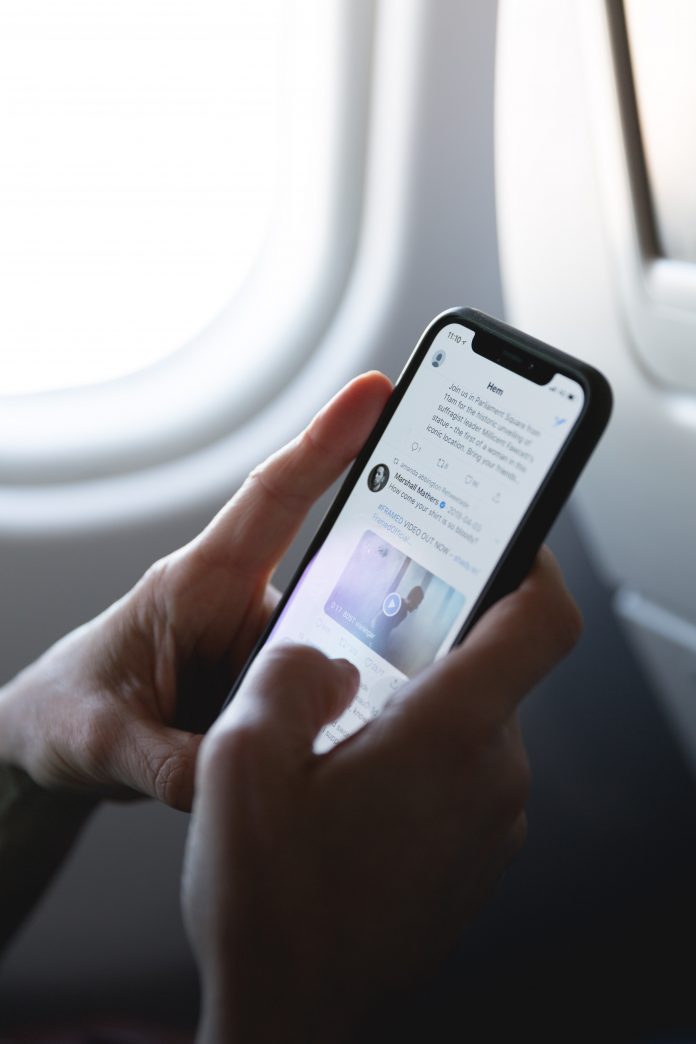
You’ve heard of movies based on books, plays, TV shows, and even other movies — but what about a movie based on a tweet? Well, look no further, as the future of adaptation is upon us with Zola being released in theatres earlier this month. The film is based on the viral 148-tweet thread by the titular part-time stripper herself. With the film’s positive reception, there’s no doubt there will soon be more films based on the obscure forms of storytelling we have access to on social media. First it’s tweets, but before we know it, there will be an Emmy award-winning HBO mini-series based on a TikTok, and Timotheé Chalamet will win an Oscar for his portrayal of David Dobrik in a painfully out-of-touch drama about his life. But in the meantime, here are four tweet-inspired films that are sure to make their way to the big screen soon.


1.) Dinner With Papaw: All Papaw wanted was to put together a home-cooked meal for his six grandchildren. But, when only one grandchild comes to dinner, Papaw feels betrayed. In a mix of Taken and A Christmas Carol, Papaw and his one loyal granddaughter seek out those who betrayed him, hoping for an explanation, reconciliation, and most importantly: revenge. From the director that brought you John Wick and starring Christian Bale under 20 pounds of makeup and prosthetics, this geriatric action flick will have you calling your grandparents ASAP and will teach you to never ignore Papaw.


2.) The Brotherhood of the Sciency Pants: On his way to a chemistry lab, college student Jake realizes he’s wearing shorts — an act that would cause him to be kicked out of class! So he turns to a stranger on the sidewalk wearing sweats and tells him, “I need your pants.” Thankfully, the stranger swaps pants with him, allowing Jake to get to class right on time. But surprise! This pants swap does more than just save Jake’s chemistry grade. It creates a magical, pants-based bond between the two boys. Now, anytime Jake puts on pants, they’re immediately swapped with whatever pants his Pants Stranger is wearing instead. It’s The Sisterhood of the Travelling Pants meets the poorly executed Force-bond Rey and Kylo Ren had in the Star Wars sequel trilogy, but (sadly) without a shirtless, high-waisted pant-wearing Adam Driver. 


3.) Bean Dad: His daughter wanted beans, but what did he want? Power. Told from the perspective of the daughter, from the age of 9 to nineteen, this bildungsroman (bean-dungsroman) was filmed year by year in the style of Richard Linklater’s Boyhood (bean-hood). This storytelling results in a truly realistic and beneficial (bean-eficial) portrayal of adolescence (ado-lentil-scence) in the age of social media. In order to look at her future, she must look at her past. She must look back at her father’s actions and the way they impacted her, focusing less on where she’s been (bean) and more on where she’s going (garbanzo-ing. Okay, fine, that one is a stretch).


4.) Dinner With Papaw 2: The Last Supper: Having made amends with his five traitorous grandchildren just one year ago, Papaw decides to bring them together for dinner once again— but his criminal actions from one year ago are catching up to him. Now a pawn in New York City’s underground Mafia, all six of his grandchildren are kidnapped with a large bounty put on their heads. Papaw is then forced back into his criminal past, trying to save his grandchildren while also fighting those who want the bounty. From a completely different writer and director than the first film and starring a TikTok impressionist with a Christian Bale deep fake (Bale had to drop out due to a scheduling conflict), this film is sure to be the best follow-up since The Godfather: Part III.

Being mixed is as confusing as my ethnicity

0
PHOTO: Celia Krampien / The Globe and Mail

In 1993, Time Magazine published a special issue titled The New Face of America with a computer-rendered image of a person mixed with many different races as the cover. This was supposed to be a “remarkable preview” of how “immigrants are shaping the first multicultural society.” Fast forward nearly 30 years, and race is as large of an issue as ever. The world has really started to pay attention to our treatment of BIPOC in our country — specifically, how they’re impacted by racism in their everyday lives. But where do mixed people fit in? 

Time Magazine may have predicted correctly as more and more mixed babies enter the world, with about 15% of all children being born mixed in Canada. Their vision of this mixed-race utopia without racial strife, however, is misleading. 

Conversations around being “white-passing” or not embracing one’s race enough pop up all the time. This is even something the United States’ new vice president Kamala Harris has to deal with. For multiracial people, defining one’s racial identity can be complicated because of others’ assumptions and expectations, and these assumptions show we still have a long way to go. 

I’m actually mixed myself. My dad immigrated from Mexico and met my mom who had immigrated from Germany. Within my family, I have basically zero connection to my Mexican heritage, and I have a sneaking suspicion it’s to do with me not being seen as “Mexican” enough. I have more of a connection to my German side, but not by much. Instead of accommodating the fact that I live in Canada and speak English as my first language, conversations with extended family from both sides are rarely in English despite both groups knowing how to speak it. I sit awkwardly at family gatherings, never being included and knowing full well I don’t belong. 

So where do I fit in? Because I’m not entirely “white,” but I look like it. Since I am white-passing, people’s assumptions of me change the way I am treated and exclude me from Mexican-dominated spaces. Upon the discovery I am not white, I have been dismissed from white-dominated spaces as well. So I ask again, where do I fit in? 

This even pops up in dating, when I get asked both by family or my peers to date within my own race. I get called out for being interested in someone white because I’m ignoring my Mexican culture, but I also get called out for being interested in anyone Mexican because I’m white-passing. If I date outside of my own race, I also get told to date within my own race. And so the cycle continues. Trust me, I am as confused as you are. 

I can’t dismiss the fact that being white-passing has definitely given me tremendous advantages in life and has ultimately led to where I am today. But I forever feel like I exist in this liminal space between races, and no one group will ever truly accept me. I don’t mind being called white (and I joke about it all the time), but it still doesn’t feel like the proper terminology to describe me. I’m not Canadian enough to be Canadian, but not German or Mexican enough to be considered either of those, either. 

The term “mixed” is what I feel most comfortable using, but it feels unsatisfying. Identifying as a person of colour feels wrong, but I also don’t want to dismiss my Mexican heritage on account of the whiteness I inherited from my mother. 

As a child, I didn’t spend much time worrying about my race or where I fit in. I lived in Newton, where 58% of the population is South Asian. There, I attended a private elementary school where I was one of a handful of “white” kids. It was easier to dismiss my identity as just being “white” rather than going through the lengths of explaining my cultural heritage — only to be told I was “white” by other people, anyway. So gradually I began to lose parts of my cultural identity as I mixed into the cultural melting pot Canada is so proud of. 

Being forced to choose between which race you identify as exemplifies the binary way of thinking that monoracial people use to identify others. By neatly putting you into one category, whether that be white, Black, Asian, etc., they are able to assign stereotypes to you based on their understanding of that specific race. If you’re more than one race, that confuses things. It’s easier for people to just place you into the category they think suits you the best. In reality, shouldn’t it be individuals that define themselves? Just because I have pale skin does not make me any less Mexican than I am. I still grew up with a Mexican parent and even lived in Mexico during my childhood. My race is not for other people to decide. It is my decision and mine alone. 

I wish there was a tidy way to end this article and come to some sort of groundbreaking revolution about my identity, but that’s just not the reality of it. And this is the truth for mixed people everywhere. Maybe one day we will arrive at that utopia Time Magazine envisioned, but we still have a ways to go. The first step: accepting how people identify themselves without questioning them.