
Environmental science
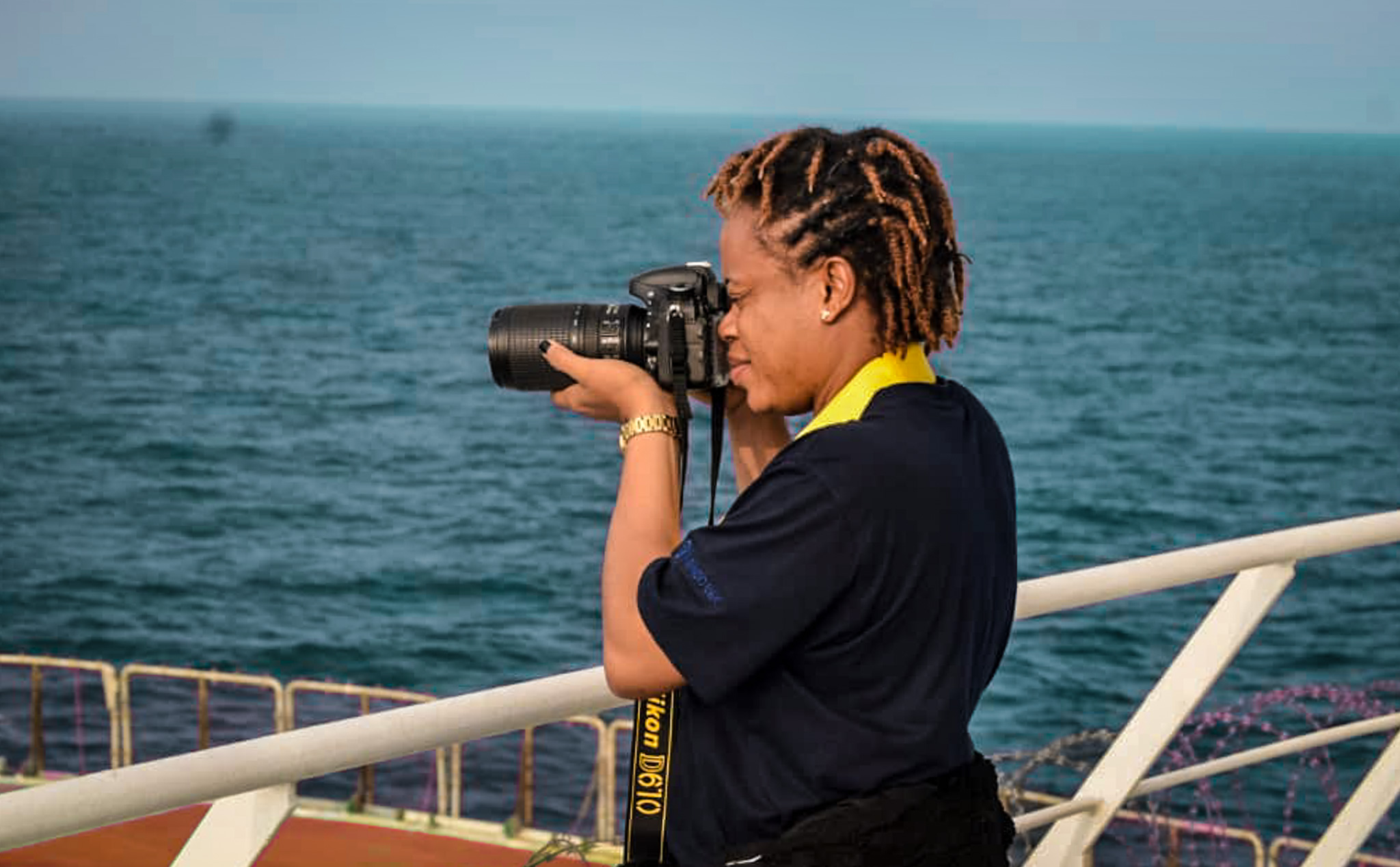
Stellar Spotlight: Amanda Amalaha
November 2, 2026Marine mammals rely on sound to communicate, navigate, and interact with their surroundings. The Peak also used sound to interact with Amanda Amalaha, a master’s student in SFU’s School of Environmental Science, through the phone to learn more about her fascination with wildlife conservation. Her curiosity to understand what marine mammal “vocalizations could tell us about their presence, behaviour, and response to human activities.” Her “passion for environmental protection” inspired her to pursue a master’s degree in environmental science. Having worked in the field, Amalaha has “seen the practical side of marine mammal protection.” Now, she wants “to contribute to…
Continue reading

SFU student surveys local beaches for microplastics
March 12, 2024“Plastic is everywhere. We see, use, and integrate it into our lives every day,” said Helen Wong. Initially inspired by the lessons she learned from an environmental science studies class by Dr. Anna Hippmann, Wong became “inspired to do [her]…
Continue reading

Seven-Minute Majors: Find out what SFU students like about their majors (Part Two)
September 28, 2018By: Melanie Hiepler, Nicky Magas, Aaron Richardson (Humour Editor), Nicky Magas, Zach Siddiqui (Copy Editor), Henry Tran (Peak Associate), and Hillary Ta Behavioural neurosciences Behavioural neuroscience (BNS) is a unique combination of psychology and biomedical physiology courses. You learn about human…
Continue reading

Simon Fraser University’s independent student newspaper since 1965.
For advertising inquiries: [email protected]
For promotional inquiries: [email protected]

Simon Fraser University’s independent student newspaper since 1965.
For advertising inquiries: [email protected]
For promotional inquiries: [email protected]