Home Blog Page 582

SFU students and alumnus create app for locating halal eateries

0
(Photo courtesy of HalalMe)

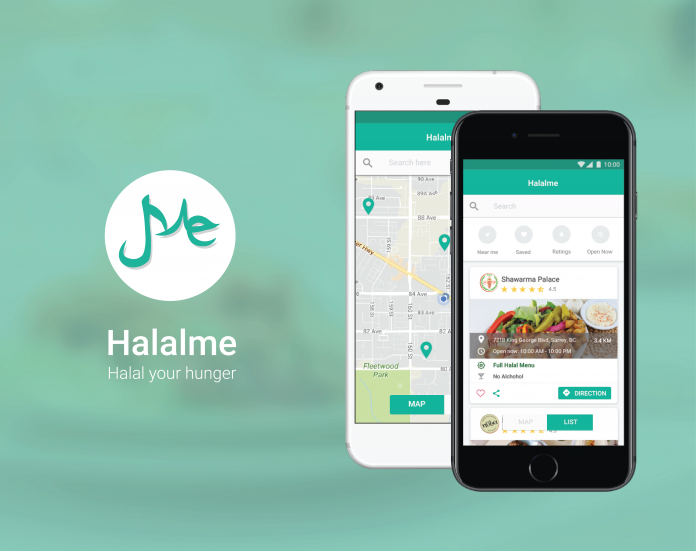
SFU student Mostafa Azarbar has co-created an app for locating and organizing halal food services in Metro Vancouver with two SFU students and others. HalalMe, a mobile app launched in early June, helps people who consume halal food locate eateries and restaurants that serve halal food products. Each restaurant is manually verified as halal by someone on the team, and the app has explanations for if non-halal products such as alcohol or pork are served.

     The purpose of the app is to make halal food more accessible for the halal food consumer. “If I’m ever traveling in a [new] city, the moment I open the app, with the tap of a finger, I can find a restaurant. It really connects halal food suppliers to halal consumers. With the population of Muslims growing in Canada, there is a high demand for this,” Azarbar explained.

     Azarbar, who is also the president and founder of SFU’s Tech Entrepreneurs club, was approached by friend and fellow SFU student Abdurakhman Smazov last March about creating the phone app. In an interview with The Peak, Azarbar said that they began to explore the market by doing surveys. “[We said,] let’s ask everyone we know in the Muslim community of BC what they think. We also created a mock landing page to gather emails, and we got over 300. That’s when we realized there was a need for it, so we thought to proceed with the project.”

     HalalMe’s greatest challenge was finding dedicated individuals who were as passionate about the project as Azarbar and Smazov were. “We wanted to find people who had the same passion to help the community, [people who] cared about halal food,” Azarbar told us. After a long search, the team was completed by Wardatul Ferdous, as a designer; Sofwan Naing, to work on marketing and branding; and Muhannad Abwah as lead developer. Azarbar and Smazov focused on business and customer discovery.

     The HalalMe team chose to launch the app during Ramadan, a month where Muslims abstain from food and water from dawn to dusk. Azarbar says that while it might seem contradictory to launch a food app at a time where the target market cannot eat, the HalalMe team saw it as a strategic move.

     “Yes, people are fasting, but it’s also the time people go out and break the fast with their friends and family,” Azarbar explained. “It’s the month where it’s the best feeling to break your fast together with friends [. . .] for people like us who are busy with midterms or have work, we don’t have time to cook, we’re exhausted, so you try out different restaurants.”

     The team’s long-term goals are to get the word out, get more users, and get more halal restaurants onto the app. The team wants to use the feedback from users and implement them into the next version of the app, eventually expanding to other cities in North America.

     HalalMe was one of the top six finalists for the venture prize hosted by Venture Connection. While the project is currently self-financed, they are looking for investors to back them up with funding.

     The HalalMe app is available for download on iOS and Android, and can be found on Facebook and Instagram at @halalmeofficial.

Reviews for Tinder profiles

0
Image by Chris Ho

There is a trend on dating apps like Tinder, and we all know it. While the profiles of men lie barren and lonely, women’s profiles fill up with messages, sincere and otherwise. Their recipients, like me, have forgotten them long ago, and left many of them entirely unseen. What if I were to review these profiles of these poor men who never receive replies? I’d surely provide them with a lesson on how to build or not build your Tinder profile.

Fitness Freak Jeremy — I get it, you have abs. It’s nice. It also probably gets you views and girls swooning over you. You know what else is nice? To know you have a personality besides gymming. Wouldn’t it be nice to know you read on your porch on a quiet Sunday afternoon?

Six-figure CEO Klaus — Now, I don’t know if it’s true or not, but we have a lot of young Zuckerbergs on Tinder, looking for true love. Go Klaus! You have, in a young age, accomplished so much. But are you aiming for a mention of your salary to a genuine human being that doesn’t care about your money? Zuckerberg or not, boo Klaus.

Architect Stefan — Is cute, loves dogs (oooh!), and has ticks in all the right boxes. Architect, outdoorsy, traveller, art lover. Girls must like Architect Stefans. Does he have a Damon Salvatore in the brother department as well?  Don’t know. I’ll text you, Stefan. Either way, this is the way to do a profile right.

Farm Boy Ethan — There’s Starboy, and then, there’s farm boy. And I quote: “life is like fishing u just need to find someone that likes your hook.” Someone does have their life sorted. I don’t know if there is a double meaning in there and I’m not sure if I want to know. Farm Boy Ethan, maybe that’s enough for you. But for me, there are more things in life than “finding someone who likes your hook,” like college, grades, family, art, music . . .

Businss Anilist Sam — There is no greater turn off for some ladies than bad grammar or spelling. Dot your i’s and cross your t’s and you might impress a girl more than a shirtless picture would. Some girls might not care about little things like these, but to others, it might matter enough to be the difference between “thanks” and “no thanks.” I didn’t even read past the first two lines, Sam.

Your inner monologue as you write a test

0
Illustrated by Marissa Ouyang

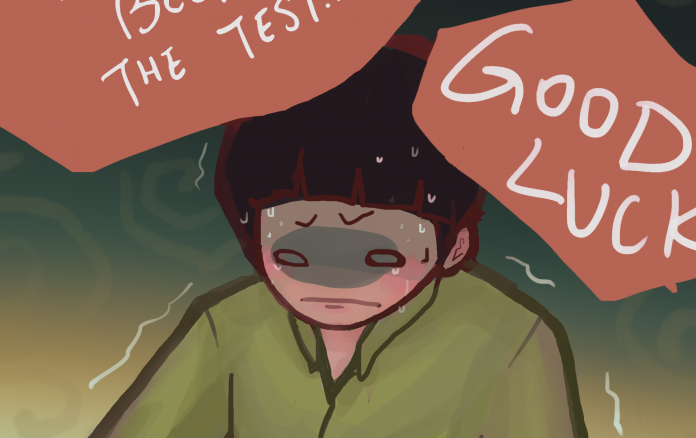
“You may now begin the test. Good luck.”

You flip over the test. Name, check. Student ID, check. Did you spell your name correctly? Should there be two As or three? And why does your last name look so long in comparison to your first? Who cares?

Flip. Page one. Multiple choice: the two-faced deceiver. You always think this cat’s in the bag, but don’t let it trick you. It will leap at you and scratch out your eyeballs when you realize that none of the answers you know match the options listed. The art of MCQs is to figure out the best time to employ the timeless decision-making method of “eeny, meeny, miny, moe.” The farther into the semester, the earlier you use it. You go through all of them and tick off whichever sounds remotely close to the snippets you heard between naps during lecture. Remember to circle in the Scantrons completely. Check, check, check. Done.

Flip. Flip. Short Answer. You read the first question, and your hopes plummet as low as the number on your bank statement. “That’s it,” you think, “I’m done for.” It’s not too late to run away and join the circus. Big red lips and wonky wigs would suit your facial shape.

But okay. Fine. You decide to do it anyway. You can’t just leave it blank. You BS something, some random, obscure, and vague fact that you desperately hope will get you half marks. Quarter marks. One-eighth marks? Anything? Moving on. The next question is better, because you remember hearing about this when that annoying dude wouldn’t shut up about it that one day you showed up to tutorial. Relief floods you. Maybe you won’t have to beg on the streets after all. “Mama,” you think, “I’m gonna make it.”

Flip. Essay questions. You’re okay, you think, you’re doing okay. You got this. You read the options. Ohhh boy, oh buddy. Might as well apply for that job at McDonald’s now. The scent of artery-clogging fried fats is always in style when you’re broke. Might as well BS this one too. You deliberate making a note at the bottom to your prof hoping she’ll give you pity marks. She won’t, but say goodbye to your self-respect anyways. Did you have any to lose in the first place?

Done. You get up and hand in your paper at the front, shoving your ID in the TAs face. Time to go home, empty your mind of all things useful and vegetate with Netflix before your next exam.

Hunt for the Best: Coffee

0
Geron Malbas / The Peak

Written and photographed by: Geron Malbas

Nemesis Coffee

Location: 302 West Hastings Street

Walking time from SFU Harbour Centre: Three minutes

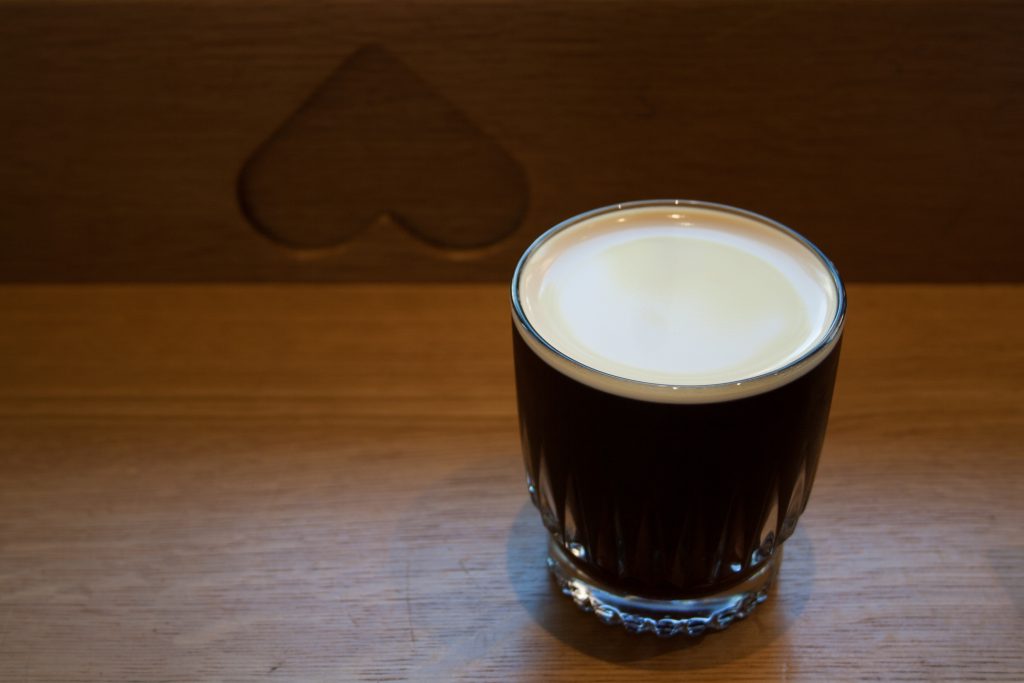
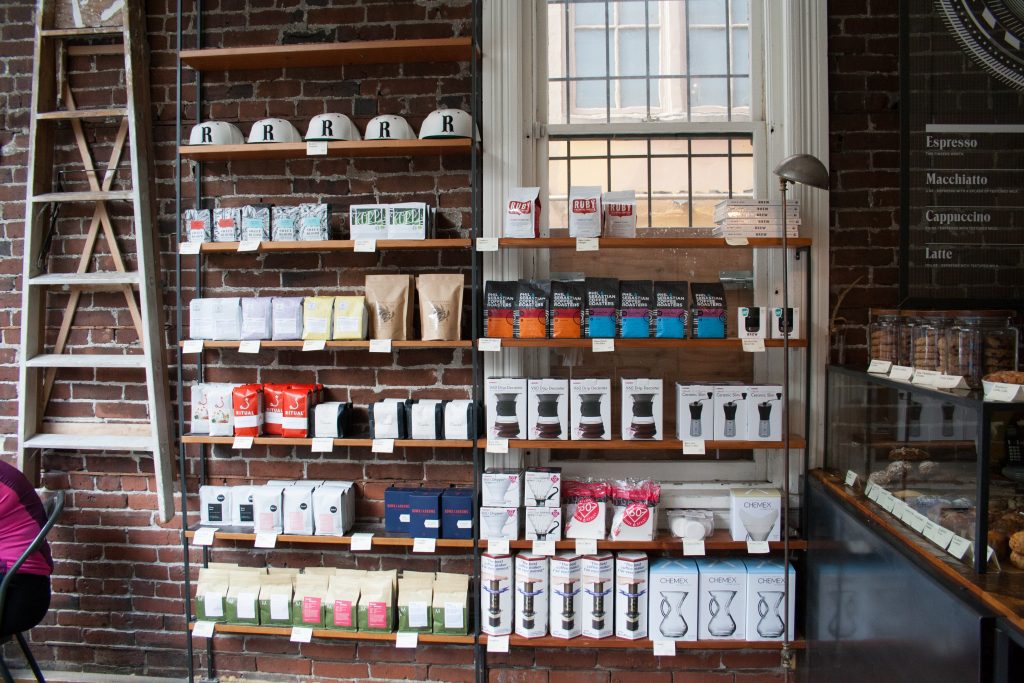
The Coffee: As one of the newest contenders on the Vancouver coffee scene, Nemesis has fallen right into my heart as my favourite place to go for a quick pick-me-up. Since it’s the summer season, I opted for a nitro cold brew coffee for $4.50, which basically means that I got a really fancy iced coffee. What’s great about Nemesis’ take on it is that it’s on-tap, so they don’t add any ice to it to dilute the flavour. Cold-brewing the coffee with nitrogen actually makes it so the coffee is naturally sweet, so I tasted a very nutty, syrupy, chocolatey cup.

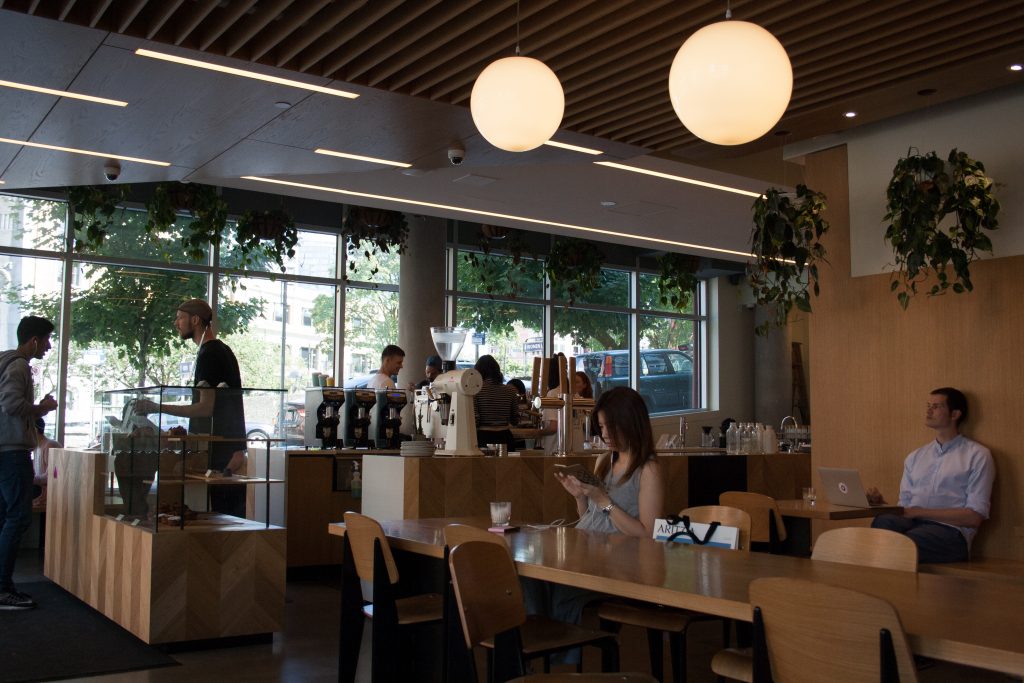
     As an added bonus to my coffee experience, the whole atmosphere of the place is so cool and welcoming, almost as if I’m hanging out at a friend’s place for a quick snack. The staff are very aware of the people that come through their doors, and more than likely will be thrilled to just get to know a little bit about you if you strike up a conversation.

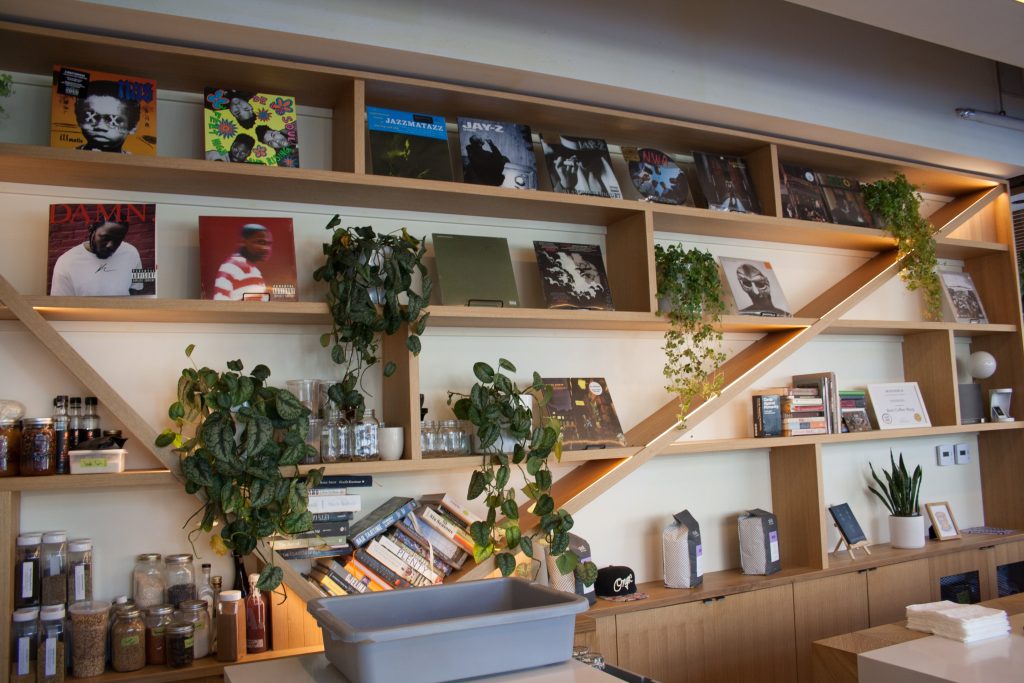
     In terms of decor, the wood seats and counters present a modern look, with one wall even displaying vinyls from musical artists like Kendrick Lamar, Jay-Z, and MF Doom. Catch me chilling in this cool cafe sipping on some cold brew coffee all summer.

Rating: 5/5 Coffee Mugs

Timbertrain

Location: 311 West Cordova Street

Walking time from SFU Harbour Centre: Two minutes

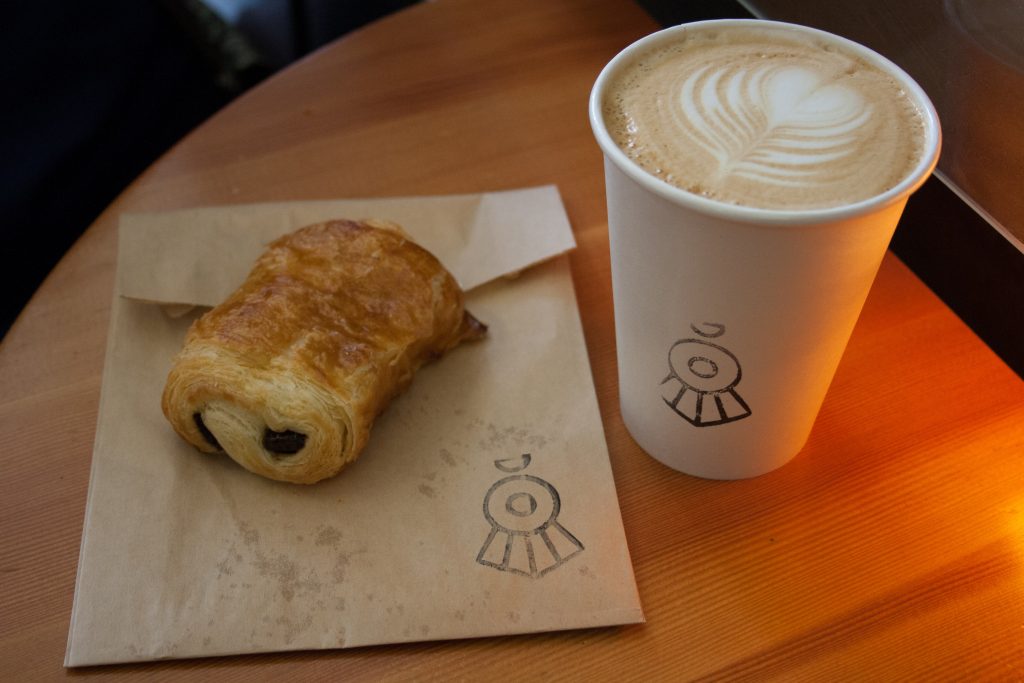
The Coffee: Fun fact: the cafe is supposed to resemble the cabin of a train, hence the name. I wanted to spice up my coffee experience and opt for a latte at $4.50, since it was a little chilly the morning I went here. Paired with a pain au chocolat for an additional $4, my latte was made to be delightfully smooth to drink due to the expert espresso shot and steamed milk the barista made.

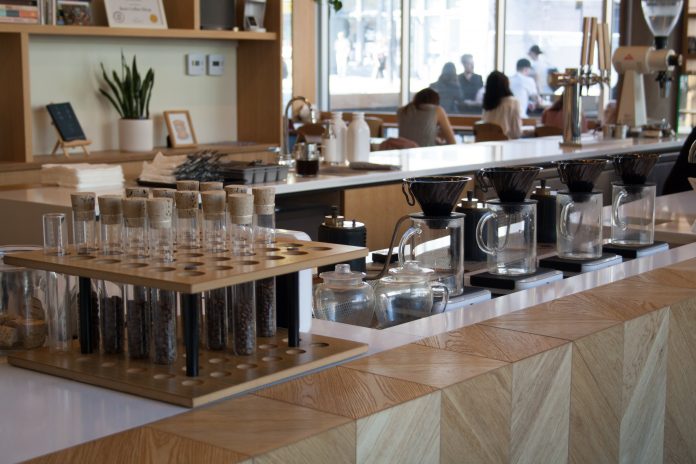
     The thing about good coffee is that it is very dependent on the bean and the barista’s skill, and Timbertrain’s staff are extremely well-trained to ensure my coffee consumption is met with endless happiness. They roast and serve their own beans, which solidifies my understanding that this shop really knows exactly what they are doing when it comes to making coffee. Much like the other cafes on this list, they are also equipped with different brewing methods to make coffee. In fact, they have their very own pour-over device that is made specifically for the shop.

     While I did find my pain au chocolat a little lacking in comparison to others I’ve had, I scarfed both it and the drink so quickly because they were just that good together. One thing I don’t really enjoy about the space is that there is very limited seating, and being in Gastown means numerous guests filling up the space to a point where it’s quite crowded. However, if you find you are wanting something on the go, the coffee here will never disappoint you.

Rating:  4/5 Coffee Mugs

Revolver

Location: 325 Cambie Street

Walking time from SFU Harbour Centre: Three minutes

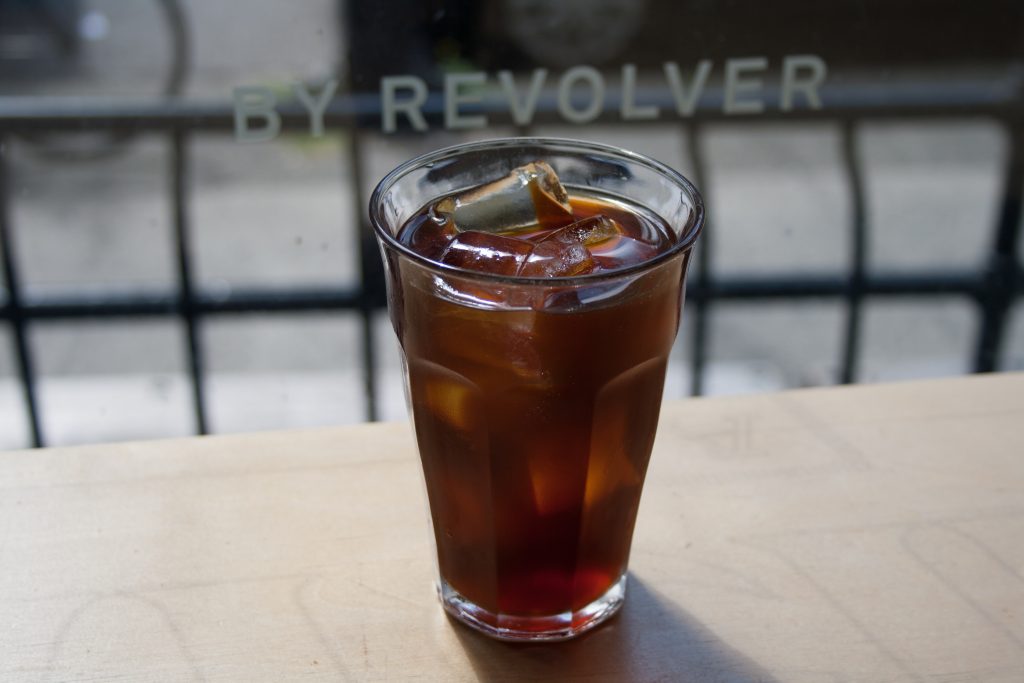
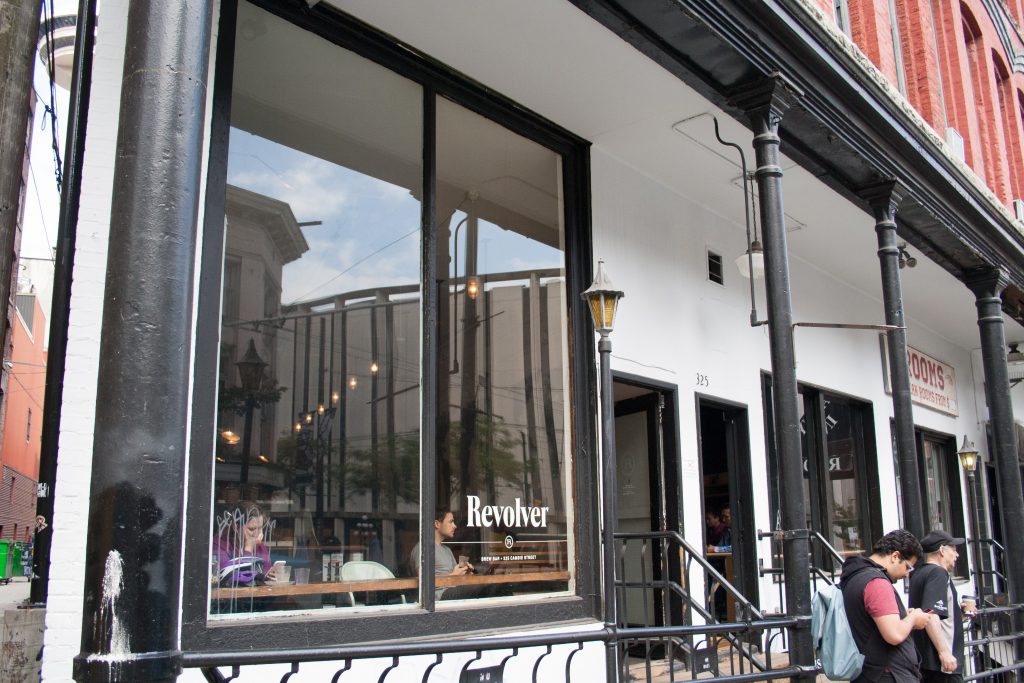
The Coffee: If you have ever ventured through Gastown, you have passed by this hipster paradise. Revolver is a veteran when it comes to making amazing coffee, and I definitely had the usual great experience this time around. Once again, I got a nitro cold brew for $4.50. Instead of being poured from a tap, my cold-brew was poured from a pre-made batch, diluted with ice, which made it extra refreshing. What I love about this place is that they have a revolving selection of coffee that is curated by their team each month. This way, I get to enjoy different roasted beans from other roasters around the world, which provides different flavour profiles.

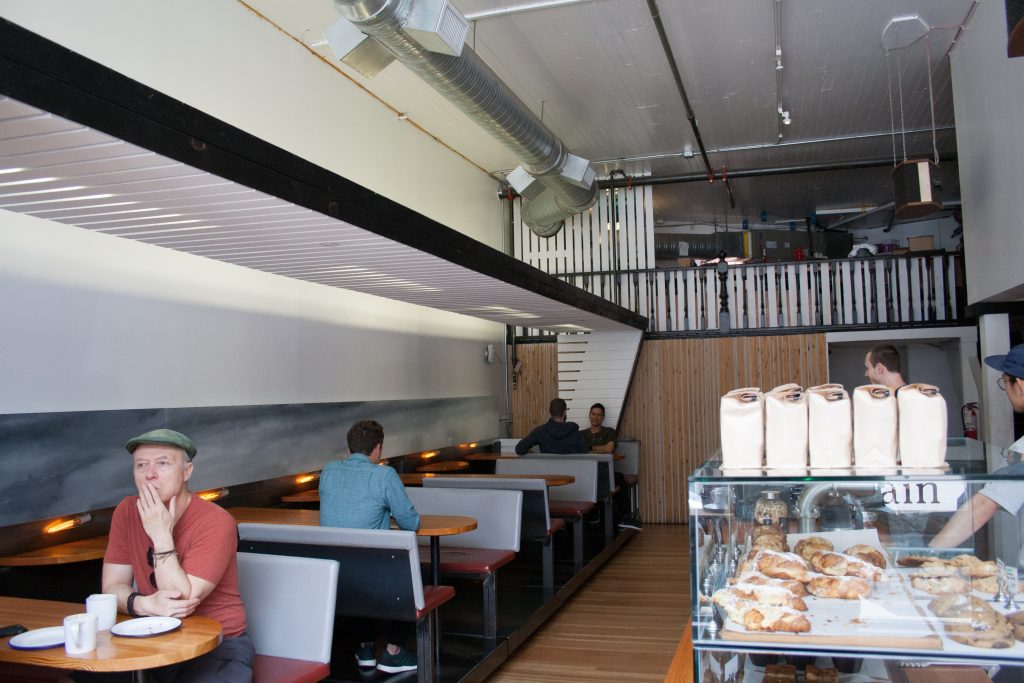
     Once I got my coffee from the bar, I hopped on over to Archive, their adjacent meeting room, to read a book in a respectful, productive environment. While I was expecting a less flavourful cup, I actually found tasted almost exactly the same as my cup from Nemesis. My only gripe is having a large amount of ice in my cold-brew, as it makes me feel like I don’t get my money’s worth. Even though the space is much narrower than other cafes, it’s always had a place in my heart as the spot that introduced me to the world of craft coffee, and likewise, it has rightfully earned its spot on this list.

Rating: 4/5 Coffee Mugs

Honourable Mentions:

  • Buro for being 30 seconds away
  • Prado Cafe for being open a little later than the other cafes listed
  • Quantum Coffee for having a really cool space
Revolver
Nemesis

Vancouver’s drug problem is a student problem too: What you need to know

0
Illustration courtesy of Freepik

It is no secret that some university and college students use drugs. A study conducted at UBC found that one in 30 university students have experimented with study drugs while enrolled. When asked about their own study drug use in a previous Peak feature, students at SFU recounted that Adderall and similar prescription medications are “very popular” among them and their peers. A larger study examining rates of drug use by Canadian undergraduates found that 47.5% of the 7800 candidates had used drugs, study and illicit alike, during their lifetime.


A city-wide issue

In July of 2016, BC saw 482 overdose deaths, 60% of which involved fentanyl, according to the BC Coroners Service. In the first seven months of 2017 alone, the number increased to 876 suspected drug overdoses, with 81% linked to fentanyl.

Lisa Lapointe, B.C.’s chief coroner, describes a pattern in drug use during an interview with The Globe and Mail last September: “We saw an increase in the spring, and then August, September, the numbers looked not too bad, October started to increase, November and December were the worst months we had ever seen,” she said. “It’s being ingested knowingly by some individuals who prefer fentanyl. But it’s also contained in substances that the user has no idea fentanyl is in.”

In an op-ed for The Globe And Mail written in April this year, Dorothy Bakker, an associated clinical professor at McMaster University and a mother who lost her son, Stephen, to a fentanyl overdose, expressed her belief that many users like her son “trust” their dealers. The reality is, though, that fentanyl is often cut into street drugs.

Misconceptions surrounding fentanyl lead the public to believe it is only found in drugs like heroin and methamphetamine, but prosecutors warn that cocaine users are at risk, too. This is especially problematic for post-secondary students who use cocaine, as they may not think they need to be concerned about or prepared for a fentanyl overdose.

The problem is becoming more and more common: in a five-month long study in Vancouver’s Downtown Eastside, UBC researchers followed and tested the drugs of a large group of residents. At the beginning, 45% of the opioid users within their group tested positive for fentanyl. At the end of the five-month study period, 100% of users had trace amounts of fentanyl in their systems.

A 2017 report by the Vancouver Police Department notes that fentanyl has been found in every type of illicit drug, excluding marijuana. The deaths of unsuspecting users cross a variety of demographics, social classes, and backgrounds: this problem isn’t only a Downtown Eastside issue. As Darrell Reid, Vancouver Fire and Rescue Services chief, explained to The Georgia Straight in a January article on the exacerbated drug-overdose problem in Vancouver, “We want to make sure that everyone understands, this has become a city-wide problem.”

Harm-reduction initiatives in the city, including making drug-testing equipment and take-home naloxone kits available, and the establishment of overdose-prevention sites with trained staff members have been implemented and are making progress. A new study reported by The Vancouver Sun documented the effect of increased naloxone availability in B.C. on the number of fentanyl-related overdose deaths in 2016: “The study estimates that the Take Home Naloxone program prevented 226 deaths in 2016 and that one in 10 uses of naloxone kits prevented an overdose death.”

Surgeon General Jerome Adams likens naloxone kits to other live-saving interventions, like the use of CPR and EpiPens. “It’s easy to use, it’s lifesaving, and it’s available throughout the country fairly easily,” Adams told Stat News, encouraging the families of those at risk of overdose to carry kits with them.


A campus problem

Study after study consistently reflects that youths use drugs and alcohol more than any other demographic. But why? University and college students may turn to drinking and doing drugs for a multitude of reasons, including social stress, academic stress, a heavy course load, to self-medicate, and curiosity. The Peak reached out to multiple employees of SFU Health and Counselling about unhealthy substance use in students, where it begins, and how one can open conversation around it in healthy, constructive manner.

Britt Phillip and Ruth Vandenberg, mental health nurses at SFU, added that academic pressures, a family history of substance use, isolation, peer pressure, and a lack of information can make students more susceptible to risky substance use.

“We have approached substance use by way of focusing on social connectedness, which is a known preventative factor,” says Rosie Dhaliwal, health promotion specialist. “Many of [our outreach programs] focus on ‘bring a friend, make a friend’. Our projects within the Healthy Campus Community Initiative also link to social connectedness.” 

SFU itself does not offer specific resources for substance abuse or naloxone kits on campus. However, nurses Phillip and Vandenberg mention a multitude of online resources students can find with Fraser Health and Vancouver Coastal Health. Martin Mroz, director of health services, says, “We are very supportive of students evaluating their situations and deciding to get a [naloxone] kit from the many pharmacies and public health locations that offer them.” Mroz also recommends the site TowardTheHeart.com, where students can find the closest naloxone-distributor to them.

Even before the fentanyl crisis was declared and recognized as a crisis in April 2016, UBC’s Student Health Services (SHS) was distributing naloxone kits for free. In theory, this was a fantastic idea, but they faced a big problem: students didn’t want the kits. After 18 months of naloxone kits being readily available on campus, only 63 kits were actually taken. Since kits are for those at risk of a drug overdose or of witnessing an overdose, owning one comes with a huge, and unwanted, stigma.


A problem that hits close to home

Coming to terms with and addressing the unhealthy drug use of a loved one can be confusing, difficult, and emotional for families and friend groups.   

SFU Health and Counselling shares a few physical and behavioural signs that somebody is struggling with substance use issues, which include lateness or absenteeism, borrowing money, uncharacteristic moods or mood swings, puncture marks on the body, constricted pupils, red or bloodshot eyes, and being in the possession of drug-related paraphernalia. With regards to having a conversation about drug use, the staff at Health and Counselling stress the importance of being compassionate and recommend listening rather than trying to jump into advice-giving right away: that way, you avoid sounding preachy or superior. They share the importance of being non-judgemental, of encouraging action and following-up instead of corralling, and of making sure you don’t rush the conversation.

Dhaliwal shares some resources with me that outline key things to remember when discussing someone’s drug use with them, including reminding the person of their inclusion in supportive communities and groups, acknowledging the trauma or pain that may be leading them to drugs, and doing your best to reduce the stigma they may be facing.

Richard Saitz, addiction expert and professor of community health sciences at Boston University, states in an interview with Addiction.com the best way to reduce and eradicate stigma around addiction is to change the language we use to describe it. “Changing our language is a fundamental and inexpensive way to decrease stigma. In turn, this may lead to more people seeking help, achieving remission, and ultimately reducing disability, mortality, and economic burden.”

Some of the words and phrases we use often to describe these issues are actually very stigmatizing and negative. Keeping in mind that the stigma around drug use is only worsening an already horrific crisis by preventing people from seeking treatment and making people not want to get naloxone kits, here are some word replacements to integrate into your vocabulary:

  • Drug abuse — Unhealthy use
  • Drug misuse — Harmful and risky substance use
  • Addict — Individual with a substance use disorder
  • Staying clean — Maintaining recovery
  • Bingeing — Heavy use


How to stay safe when clean drugs are sparse

Whether you’re using drugs or someone close to you is, it’s important to know how to be safe. Youths who use drugs may feel invincible to the constant threat of overdose and death, thinking “I’m safe, that would never happen to me.” Unfortunately, a lack of clean drugs in Vancouver means the threat is very real. It’s one of those situations where the only safe way to do drugs is not to do them at all. If you are going to use drugs, though, especially those that could be contaminated, it’s important to try your best to be safe – or as safe as you can be.

Here are some useful tips, from both online resources and an interview with SFU Health & Counselling:

  • Educate yourself on drug use, effects, and risk.
  • Never use alone
  • Go slowly, with low doses
  • Don’t mix different drugs, or mix drugs with alcohol
  • Carry a naloxone kit and know how to use it in case of an emergency
  • Know the signs of an overdose (see below), and what to do in case one happens
  • Stay hydrated
  • Let someone know where you are and when you should be home/finished
  • If you’re worried about yourself or someone else, seek help immediately
  • Consider using drugs at a safe-injection site, where your drugs can be tested for fentanyl
  • Trust your instinct: if something doesn’t feel right, take a step back to consider the situation. Ask questions about what you’re being offered. Don’t accept drugs from someone who you don’t know or don’t trust


Here are some signs of an overdose:

  • Severe sleepiness, struggling to stay awake, or “nodding off”
  • Inability to walk or talk
  • Slowing breathing
  • A pale or blue complexion
  • Skin cold to the touch
  • Unresponsiveness to physical or verbal stimulation
  • Limp body


Keep in mind Canada’s new Good Samaritan Law, enforced since 2017, which protects individuals seeking emergency help (like calling 911) during an overdose crisis from charges of possessing illegal substances or breaching any conditions regarding to drug use (i.e. parole).


Vancouver is being described as a “nightmare,” a “war zone,” and an “overdose bloodbath,” facing an overdose crisis that competes with some of the most-affected U.S. cities, the worst we’ve seen in decades. It is an incredibly dangerous time to be a youth experimenting with drugs, and an incredibly crucial time to be looking out for yourself, your friends, and your family.

At the Vogue Theatre

1
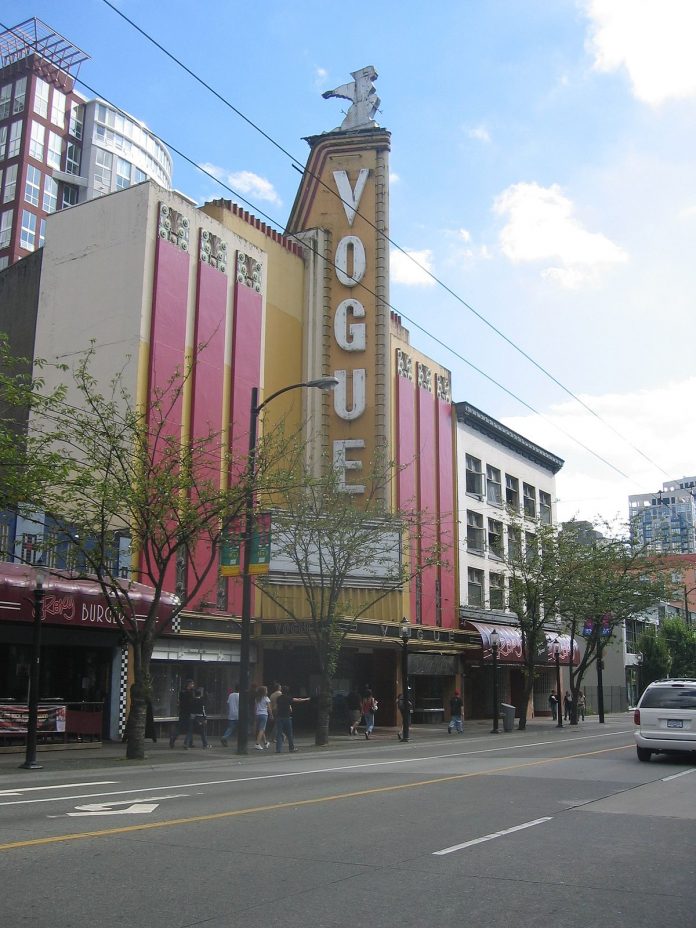
Photo courtesy of Arnold C

Ambience: A-

The Vogue Theatre is one of those theatres that looks really comfortable and homely, like you’ve walked into a lecture hall you’ve been in a hundred times. Waiting in line for the venue to open was a breeze, thanks to the other respectful concert-goers (unlike the loud high schoolers from the Neck Deep concert I attended at the Vogue in February) and the balmy spring weather. Unfortunately, the Vogue did not open the doors at 6 p.m. as scheduled, but waiting in 18 C weather for another half-hour wasn’t the worst.

     The theatre was decorated in shades of deep red, yellow, and wood-toned colours, which added to the cozy aesthetic. The lower level housed the bar and the Wonder Years merch table. There were lineups for both, which caused a bit of congestion for people who wanted to use the upstairs bathrooms or check out the other bands’ merch tables. Kudos to the merch guys, though; they dished it out fast.

     Speaking of the upstairs bathrooms, they were very clean and quite large. Seven people did not have to line up behind one sink to check their sweaty selves after the show.

     Before the concert started, my boyfriend went to buy some water. I handed him a $5 bill hoping to get at least $3 in change. NOPE. A small bottle of water cost $3.50. I was a little salty.

Accessibility: C+

The Vogue had two or three wheelchair-accessible ramps leading to the seating and stage area which led all the way to the floor area/pit. A wheelchair user could either sit in the front row and fold up their chair or park their wheelchair along the sides of the room.

     What I didn’t like was that — as far as I could see — there were no wheelchair-accessible bathrooms on the lower floor. There were also no visible elevators going to the upper level. What does the Vogue expect wheelchair users to do? Hold it in for close to four hours?

Music: A

Worriers, a queer melodic punk band from Brooklyn, opened the concert. They put on one hell of a show, even though I could barely hear the vocals over the lead guitar. The guitarist was super cute and she played guitar better than I ever could. Worriers not only makes amazing music, but are  also fighters for LGBTQ+ rights, which makes them my new favourite band. Go listen to their album Survival Pop!

     The next act was Tiny Moving Parts, an emo and math rock family trio of two brothers and a cousin. Holy shit, their stage presence was out of this world! Dylan Mattheisen (lead guitar and vocals) used the stage to his advantage and jumped tirelessly from one end to the other while keeping perfect pitch and playing guitar like a god. I’d like to find out if he’s even human. After the show, my boyfriend bought a vinyl record of their new album Swell and I gave Dylan a hug.

     Next came Tigers Jaw, and they didn’t have much of a stage presence at all. Their songs were very plain and I felt like I’d heard their sound a million times before. The hype Tiny Moving Parts instilled in me was gone by their third song. Thankfully, they did play a couple of catchy songs at the end that partially redeemed them, so it wasn’t a total waste of my time.

     Lastly, Philly pop punk band The Wonder Years came on stage and slammed into a 20-song set that knocked everybody’s socks off (even if they weren’t wearing any). The entire crowd got hyped as fuck listening to Dan “Soupy” Campbell’s voice do every single song, old and new, justice. Their set felt emotional and overwhelming in the best way possible, like feeling the soaring crescendo of a symphony orchestra.

     There was a slight hiccup in the middle of their set when security failed to notice an incoming crowd-surfer, but Dan showed just how much his band loves their fans by jumping into the pit to catch the surfer before getting back up on stage, finishing the song, and giving the security guards a good lecture afterwards. I mean, which dumbass predicted that no one would crowd surf at a pop punk concert? Other than that small incident, though, watching The Wonder Years play their hearts out on stage made the tickets worth every penny.

Overall: A-

Other than the wheelchair-unfriendly bathrooms, the security mishap, and Tigers Jaw being super boring, this was a fantastic concert in a beautiful venue with bands who really knew how to put on a show!

Environmental impacts — in the past and now

0
(Chris Ho / The Peak)

Agriculture’s impact on earth’s environment

UBC researchers, in collaboration with researchers from a number of universities including SFU, have revealed the significance of agriculture’s effect on Earth’s environment in a new study published in the journal Science Advances.

     The researchers examined how the rise of agricultural activity in the Bronze Age in Ireland affected Earth’s nitrogen cycle. They saw how, as deforestation and agricultural activity rose, notable shifts emerged in soil and plants’ nitrogen makeup. Eric Guiry, a post-doctoral fellow at UBC, suggests that this “was the turning point at which humans first began to cause environmental change.”

     While the study was conducted exclusively in Ireland, the researchers believe that their findings may be echoed wherever people have modified land for the purpose of agriculture.


BC seagrass not as beneficial to the environment

A new study from SFU and Parks Canada researchers, published in the science journal PLOS One, has found that seagrasses in northern regions store much less carbon than seagrasses in other parts of the world.

     Seagrasses are found in coastal regions throughout much of the world, and are the sole type of marine flowering plants in existence. The plants draw carbon dioxide out of the atmosphere through photosynthesis. Because of this ability to store carbon, seagrasses are considered an important tool in slowing climate change.

     The researchers set out to measure how much carbon was stored in seagrass meadows on the west coast of Vancouver Island. They found that the amount of carbon stored in Clayoquot Sound on Vancouver Island was much lower than the amount stored in seagrass meadows in tropical regions — the Vancouver Island region has less than 10% of what many other regions have been believed to contain.

     The team of SFU researchers, led by resource and environmental master’s students Victoria Postlethwaite and Aimee McGowan, pointed to the species of seagrass, low-light conditions, low temperatures, nutrients, and water conditions as reasons for the disparity. They concluded that a more regional focus was needed to effectively reduce climate change.  

Meghan Parker’s comic book thesis is informative and adorable

0
Image courtesy of Meghan Parker

Meghan Parker, an SFU grad student, did something really cool when she created her thesis Art Teacher in Process: An Illustrated Exploration of Art, Education, and What Matters. She realized that writing about art wouldn’t work as well as making art about art, and so she made her thesis into a comic book. The comic follows Parker as herself, a high school art teacher who contemplates how she teaches and what she can learn from her students. The best part is, despite it being a thesis, it’s pretty fun to read!

     The art style Parker uses is simple, cute, and clever. One of my favourite panels depicts a bunch of snails in a nude life drawing class with a slug as the model. The style is effective in matching with her textual content, and in many places it reminds me of Scott McCloud’s famous work Understanding Comics. Parker even says in Art Teacher in Process, “[R]eading Understanding Comics was a turning point for me.” Her inspiration from it reflects a lot in her work, and her thesis could even pass as a kid’s/young adult’s version of the book. However, aside from analyzing comics as a form, Parker also focuses on education and how to improve it. On top of that, Parker puts a lot of herself in the story, and makes it more autobiographical.

     I also love that the comic is almost 100% handmade. Today it’s nearly impossible to do something like that without it being seen as a little trashy or cheap. However, I’d say that Parker’s comic reflects more depth through its form, as Parker uses a variety of mediums such as paints and pencil crayons to detail further what’s going on in panels. Sometimes the handwriting can get sloppy and the mix of mediums can get out of hand, but Parker addresses this on the second page of the comic, and that she admits to the flaws makes me admire her even more.

     Art Teacher in Process really is an amazing work, and I’m extra impressed by the fact that it probably took 100x longer to make than a written thesis while getting twice as much criticism for being a comic. It’s an enjoyable read for anyone who likes comics and wants to learn more about them and the experience of a high school teacher.

Want to read Meghan Parker’s comic book thesis? Here it is!

Want to read more about Meghan? Check out our news coverage.

Honest reviews of the provinces and territories of The Great White North

0
Image courtesy of Financial Post

Newfoundland
Likely the friendliest province in the country. Despite being bigger than PEI, you wouldn’t know it by living there. I know three different people who live in three totally different parts of Newfoundland and are unrelated to each other in every way, but still know each other because of how tiny it seems.

PEI
Home of Anne of Green Gables, romantic Atlantic landscapes, and vast, rolling farm fields. Probably the most almost-deads and newly-weds kind of province in this country.

Nova Scotia
I’ve been to Nova Scotia once. I learned that Scotia Bank was named after it. That was the most interesting thing about it. Moving swiftly on.

New Brunswick
NB is the only officially bilingual province, which means you can prove your lack of understanding of life in not one but two languages. Is je suis failing everything et je ne sais pas what is going on grammatically correct?

Quebec
Ah yes, Quebec, the rebellious teen who’s been trying run away from home for the past 40 years because they’re not accepted for who they are. Thanks, English Canada, for causing yet another minority group to feel like trash in their own home. Quebec is where you go if you want to flaunt your broken (read: shattered, disintegrated) French you learned in high school. Je ne sais pas is your very, very good friend in this province.

Ontario
Ontario, you get enough attention as is . . . how about we skip you for this round? No offense, bud — oh, whoops, you’ve already taken it.

Manitoba
I know that Winnipeg is the most populated city in Manitoba, but does civilization exist outside of it? Probably not. It’s mostly where the Canadian polar bear and moose stereotypes are real.

Saskatchewan
Also known as the province whose name the rest of the world cannot ever pronounce, we loved it as kids because it was the easiest to draw and easiest to colour in.

Alberta
Alberta, Alberta, you and your oil problems. Did you know James Gosling, the father of the Java programming language, is from here? Cool thing. You learn something new everyday.

BC
Voted Best Province in the Country by BC residents for 151 years straight, B.C is home of vegans, made-up health food (unicorn hair smoothie with extra pixie dust, anyone?), and ridiculously expensive everything. We go around and tell everyone about how we live in BC and love it. All the time.

Yukon
Was the capital of this territory Whiteknife or Yellowhorse? Maybe the horse was purple and the knife was green? Does anybody live up there who can tell us? Hello? Anybody?

Northwest Territories
Low-key, Kanye and Kim named their kid after this territory. That’s the most attention it’s ever gotten.

Nunavut
The one you could never remember how to spell on geography tests in elementary school. This one’s our baby, though. I used to tell the younger kids I was older than Nunavut to prove my wisdom and maturity. I sometimes still do. Maybe I’m the baby.