
ecosystem

Squamish Nation and province sign land stewardship agreement
July 29, 2025On June 26, the Sḵwx̱wú7mesh Úxwumixw (Squamish Nation) and the province of BC signed an agreement “intended to help the Nation assert its role as stewards” of their traditional land. The Nation reported that the agreement will allow them to protect “33 new Síiyaḿiin (cultural sites), Sneẃiyelh (cultural training areas), areas for fish and wildlife monitoring,” and the establishment of “six Special Cultural Management Areas.” It will also “increase protection for riparian ecosystems (land next to rivers, streams, and lakes), wetland ecosystems, and areas of old cedar forests.” Sḵwx̱wú7mesh Úxwumixw traditional territory totals 673,200 hectares. The agreement covers 20,000 hectares,…
Continue reading

Exploring the shift from whale oil to palm oil and its impacts on orangutans
November 9, 2023On October 23, Akamine Jun, a professor at the Graduate School of Social Sciences, Hitotsubashi University in Tokyo, presented findings from his research at a lecture in the SFU David Lam Centre. His research interests focus on maritime Asian studies…
Continue reading

SFU researchers concerned for extinction of sharks and rays
February 1, 2023Human activity has threatened extinction for sharks and rays, according to a study published by a team of SFU researchers. The study found that 59% of sharks and rays associated with coral reefs, may be facing extinction. Earth.com reported, “This…
Continue reading

Dr. Andrea Reid discusses Indigenous fisheries approaches
January 25, 2023Dr. Andrea Reid launched and has been leading the Centre for Indigenous Fisheries at the University of British Columbia for the past two years. She took time to have a virtual conversation with the Georgia Straight Alliance. The Peak attended…
Continue reading

Research Roundup
October 18, 2018Climate change causes plant community to change in Arctic regions A study has found a relationship between the impact of climate change and the growth of new, taller plants in the Arctic and tundra regions. The research has also…
Continue reading
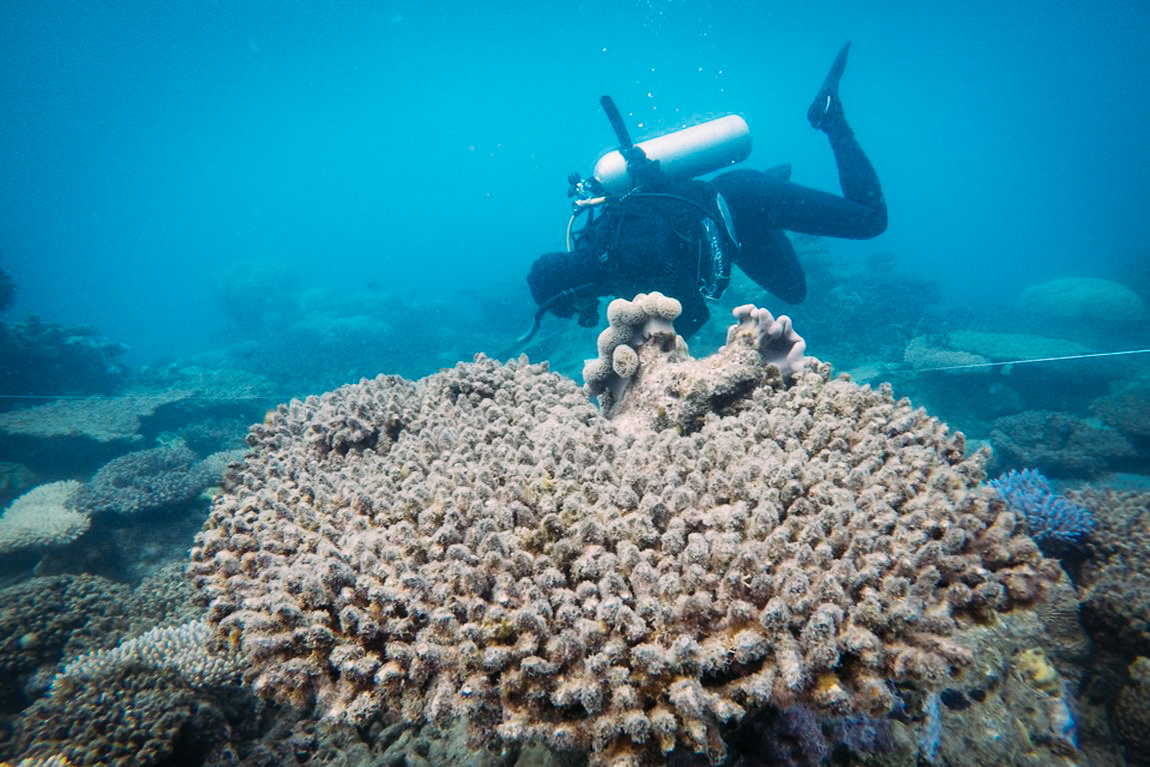
Solutions lie in marine life
May 13, 2018‘Reefs of hope’ may help protect coral reefs from climate-change impacts In their published article Seeking resilience in marine ecosystems, SFU alumna Emily Darling, and marine biology professor Isabelle Côté suggest a solution to help mitigate the impact of…
Continue reading

SFU students fail the criteria for life, researchers confirm
April 3, 2018Throughout history, scientific consensus has been that the organisms occupying Simon Fraser University, a concrete behemoth sitting atop Burnaby Mountain, were homo sapiens. Recent evidence, however, has unveiled shocking findings. Not only are they incorrectly classified, but the students…
Continue reading

Simon Fraser University’s independent student newspaper since 1965.
For advertising inquiries: [email protected]
For promotional inquiries: [email protected]

Simon Fraser University’s independent student newspaper since 1965.
For advertising inquiries: [email protected]
For promotional inquiries: [email protected]