Home Blog Page 1107

Political party emerges from leftist fractures

0

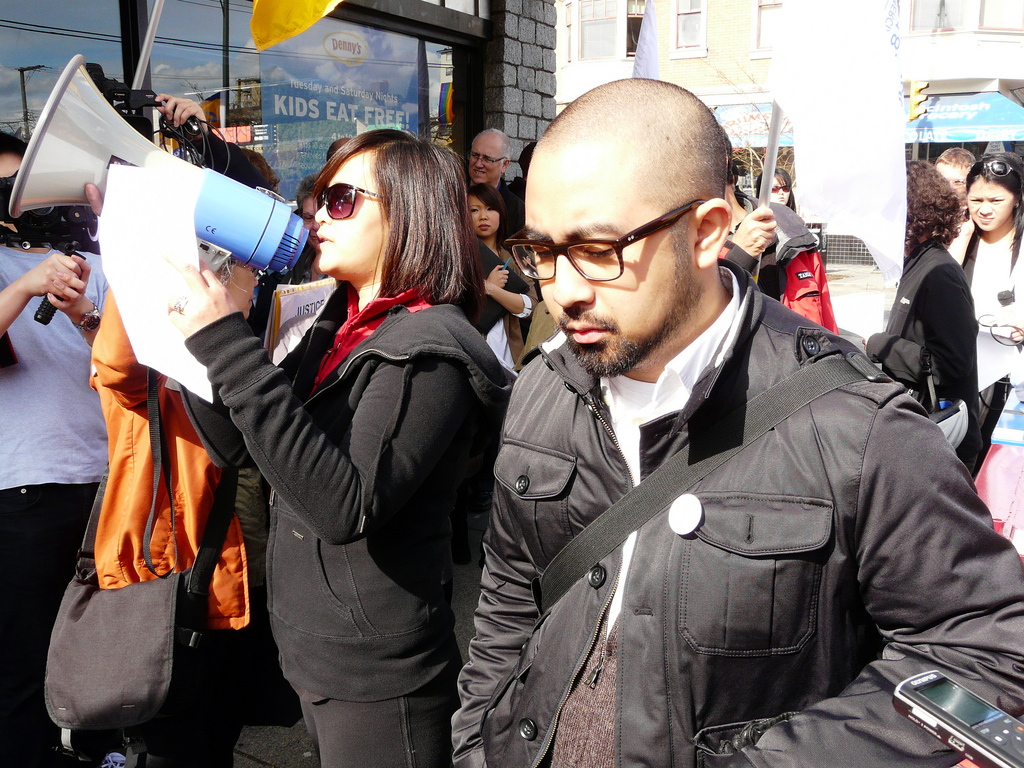
5562362228_dbe7f55340_bOut of the recent fracturing of Vancouver’s left-wing Coalition of Progressive Electors (COPE) party, a new political party has emerged to grapple with other civic parties. Although this change could affect leftist voting preference, SFU city program director, Gordon Price, questions whether it will effectively challenge the current party in power.

The new contender, called OneCity, was announced on May 12 by RJ Aquino — a former COPE city council candidate who has been backed by prominent Vancouver leftists — and aims to reduce the growing inequalities in the city. Aquino previously sat on the Vancouver City Planning Commission and is currently on the board of directors for Collingwood Neighborhood House.

The formation of a new party can be complicated, explained Price. Many difficulties — such as fracturing — exist for a host of reasons within a political party, however, overcoming this problem can be crucial. Price said, “If the party itself does not fracture, they have a real advantage in incumbency.”

Price attributed the fracture within the COPE party, resulting in the creation of OneCity, to “personality-based” issues, as opposed to policy-based. Price noted a few past instances of personality-based fractures: “You can make the case that it happened in 1972 with the [Non-Partisan Association (NPA)], when the team council came in here. It certainly happened in 2000 [. . .] Then, it happened with Larry Campbell. It happened again with the NPA!” Price said.

Even so, fractures do not necessarily represent a prevalent phenomenon — trends show that one party tends to maintain power for at least a couple of decades. Price explained, “The norm since the 1930s has been for the NPA, for one party, to stay in power for very long stretches of time. For the time I was on the council, 15 years, we only had two mayors: Gordon Campbell and Philip Owen.”

He continued, “The voters seem to go for incumbents. It goes up and down a bit. But they’ll stick with what they know unless the party itself fractures. But that tends to coincide with politics.” In other words, slight variations exist in the political power spectrum, but voter consistency reflects a persistent voting trend of citizens individually. People tend to vote one way — unless the political party of the voter appears to fracture, as is happening now.

Price said, “The public doesn’t like the internal fracturing that the personalities [create] within the parties [. . .] So [voters] tend to look for an alternative or are, at least, more open to it.”

Price commented on the general political landscape: “What we have at the moment is a fracturing of the political spectrum, but the party in power seems very much to be solid: [Gregor Robertson is [a] strong mayoral candidate insofar as he is known, [the] party shows no signs of division, [a] great deal of internal discipline, [we] certainly don’t hear of an councillors going after one another.”

He mused, “Will that be enough? We will see.”


Which music festivals should you go to?

0

It’s that time of year again, guys — it’s summer. For most, this means less time spent on work and school, and more time spent soaking up the sun, sipping margaritas and shooting the breeze with friends. You’ve basically got two options: get out there and make memories with friends and family, or have so much fun that you barely remember a thing.

As it turns out, music festivals are the perfect place for both. If you’re having trouble deciding which music festivals to check out this year, fear not! The Peak, as always, has got yo’ back. Here are seven different fests to check out this summer, and what to expect at each one.

CBCMusicFestival

CBC Music Festival
Deer Lake Park, Burnaby, BC
June 14

Headliners: Tegan and Sara, Dan Mangan, Spoon, Hannah Georgas, Chad Vangaalen, and the Arkells

The Stereotypes: Can you say hipster? Oh, don’t get your feathers ruffled if you’re going. Exclaiming that you aren’t a hipster only makes you seem like more of one. Expect plenty of unique clothing choices, glasses that almost certainly aren’t prescription, plenty of bikes, some semi-ironic facial hair, and more than a few pairs of suspenders.

What to Wear: This festival is one of the few out there where most of the fads aren’t gender specific: tilley hats of any and all colours, bow ties, and high socks — the higher, the better. Plenty of patterns! Think Hawaiian, floral, argyle, stripes, polka dots, you name it. Anything and everything necessary to make an outfit louder.

Tips and Tricks: Consider tie-dyeing your blanket for this one. It can be a bit expensive, but it’ll  serve as a constant reminder of the CBC Music Festival spirit. A white sheet, a pack of dye from Michaels, and a whole lot of elastics are all you’ll need. If you want it to come out, well, I’d give yourself at least an hour. One of biggest upsides of a tie-dyed blanket: you can stain it endlessly, and no one will be any the wiser. After all, we all get a little sloshy and spill more than usual when the sun is out and we’re having fun.

Tickets: They’re still on sale, and pretty reasonable, too.

DawsonCityMusicFestival

Dawson City Music Festival
Dawson City, YT
July 18 to 20

Headliners: The Rural Alberta Advantage, Alex Cuba, Nick Ferrio & His Feelings, Cousins, Jaffa Road, and Feeding Frenzy

The Stereotypes: At this festival, you’ll meet the ultimate combination of hippie and hipster (hippie-ster?). For this rare species, anything and everything which is popular is no longer appreciated, and society at large is also on the wrong track — too much machinery, not enough campfires. These forest-dwellers think nature is the only thing that is right and true, and this festival, set in the natural landscape of the Yukon with a wealth of underground Canadian acts, is basically their Woodstock.

What to Wear: Hemp, birks, and thick hiking socks. If the weather gets you down, throw on a waterproof shell and some home-knit sweaters — although, if you’re not prepared to deal with the elements, this might not be the festival for you. Scarves, especially scratchy ones, are also essential.

Tips and Tricks: Knit a sweater! Doesn’t matter if you don’t know your way around a needle and thread — honestly, the more awkward-looking and haphazard, the more indie cred you’re likely to receive. Some food for thought: if you make a container lined with dryer sheets, it releases no smell. Just saying.

Tickets: Still plenty left, and the weekend passes are more affordable than most — that is, if you’re willing to head to the Yukon.

Lollapalooza

Lollapalooza
Grant Park, Chicago, IL
August 1 to 3

Headliners: Skrillex, OutKast, Arctic Monkeys, Kings of Leon, Foster the People, Lorde, and Eminem

The Stereotypes: If you’re a club rat and/or your car’s subwoofer can be felt two blocks over, this is the festival for you. Sure, there’ll be plenty of normal people, but the majority of concertgoers will be diehard bros and all the girls you think of when you hear the song “#SELFIE,” throwing a rowdy party worthy of the festival’s impressive headliners. I know which festival I’m going to.

What to Wear: Here’s your holy trinity for the weekend: bright, tight, and fun. Get your tie-dye and your fake Ray Bans. Whatever you wear, cut out huge arm holes. Make sure to over-accessorise. More is more! Big earrings, bracelets all the way up the arm, rings on every finger, and enough necklaces to give you whiplash.

Tips and Tricks: How to two-tone tie-dye for next to nothing: Get a cheap T-shirt you like, and a bunch of elastics. Take and twist as many chunks of fabric as you can and wrap them in elastics as tightly as possible. Once you’re happy with your lumpy rubber piece of fabric, dump and leave it in a bucket of bleach overnight. In the morning wash it, and tah dah!

Tickets: The only ones left for sale are Platinum Passes, which include meals, air conditioned rooms and access to lounge areas with the artists, all for a whopping $3,600. Unless you’re rolling in it, check out Craigslist.

PembertonMusicFestival

Pemberton Music Festival
Mount Currie, Pemberton, BC
July 18 to 20

Headliners: Deadmau5, Nine Inch Nails, Outkast, Snoop Dogg (or is it Snoop Lion?), Kendrick Lamar, Modest Mouse, Blondie, and Metric

The Stereotypes: Of all the festivals listed here, Pemberton will probably have the widest range of subcultures, especially considering how many people bought tickets before the list of artists was even released. There will be bros, ravers, stoners, folkies, neckbeards, metalheads, hip-hop geeks, crust punks, and everything in between. Rest assured, you’ll find your people.

What to Wear: Pemberton has finally returned after a lengthy four-year hiatus, and the rule of thumb is pretty much anything goes. As little clothing as possible will be common, especially for the ladies. Bikinis, and all that is skintight, will be common. Oversized shirts are optional, and ripped jean shorts are a must. So grab your snapbacks and any clothing with pictures of weed on it, and get ready for a party.

Tips and Tricks: Damage your denim. Seriously, go nuts. Grab your car and run over your jeans. Bang them on the ground, drag them over gravel, cut a dotted line at the knees and tear them apart. Buy a white bikini and customize it, maybe with your favourite artist’s logo — if they notice you wearing it, hey, who knows what’ll happen?

Tickets: The early birds are all sold out, but there’s still plenty of passes left.

PitchforkMusicFestival

Pitchfork Music Festival
Union Park, Chicago, IL
July 18 to 20

Headliners: Beck, Neutral Milk Hotel, Kendrick Lamar, Grimes, St. Vincent, Deafheaven, Real Estate, and Pusha T

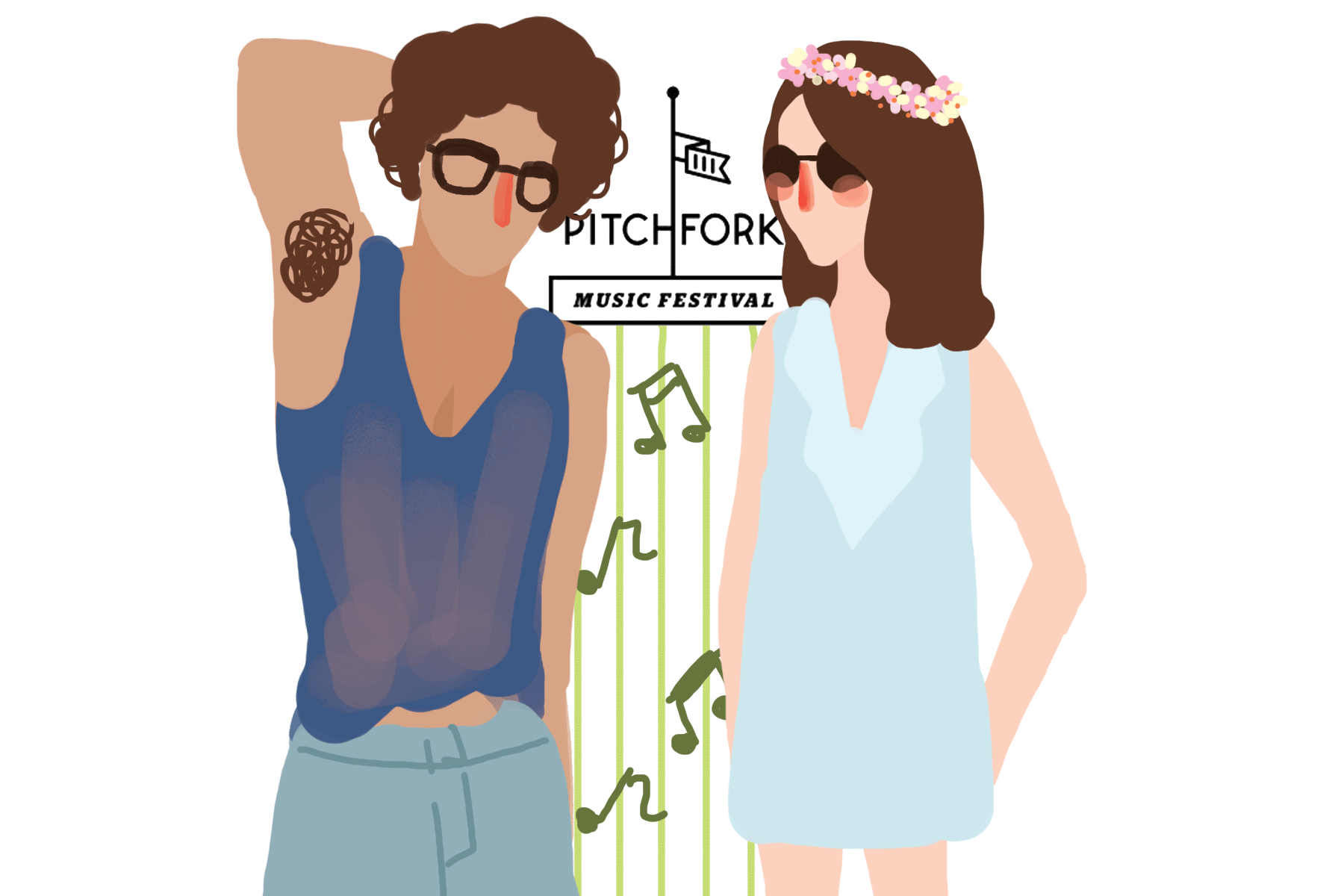
The Stereotypes: Less boho than you might expect, the Pitchfork Music Festival is still pretty much synonymous with the type of Williamsburg PBR sippin’ hipsters your mom warned you about. Thankfully, big name hip-hop stars such as Pusha T and Kendrick Lamar might attract a more down to earth crowd — if you’re looking to avoid a parade of ironic mustaches, cheap cigarettes and arguments about which Pavement record is the best one, try your best to blend in with the rap fans.

What to Wear: Non-prescription glasses, as much armpit hair as you can grow, and your most sarcastic expression are all a must at all times. If you’ve got a T-shirt in the back of your closet that’s just a little too small, bring it along. To blend in with the locals, roll up your pant sleeves until you can barely walk, and hold off from shampooing your hair for at least a week before the festival begins. Herbal cigarettes are icing on the cake.

Tips and Tricks: This festival’s all about local, so make sure to bring a little extra cash to spend on craft beer, designer apparel and fair trade cappuccinos. If you’re looking to avoid looks of disdain, resist the urge to hit up a Starbucks or Wal-Mart in between sets. To make a flower crown, just pick around six to ten flowers (daisies work best) and tie them together at the stems. Alternatively, make one in advance by gluing fake flowers to a headband the same colour as your hair.

Tickets: Fairly cheap at 60 bucks per day, although the full weekend passes are already sold out, check out Craigslist.

Squamish

Squamish Valley Music Festival
Logger Sports Grounds, Squamish, BC
August 8 to 10

Headliners: Eminem, Bruno Mars, Arcade Fire, Serena Ryder, Arctic Monkeys, Nas, and The Roots

The Stereotypes: Expect all those who claim they “love rap” but, when asked which rappers they enjoy, can only name Eminem off the top of their heads. You’re also sure to find overly enthusiastic Bruno Mars fans who’ve done enough Internet studying to pretend they like the other artists. Finally, look for plenty of very excited yet clearly underage music fans claiming they are “definitely 20, of course I am, why would you even ask,” while they stumble aimlessly across the grass.

What to Wear: Anything stereotypically summer-y is appropriate. Ladies, throw on a daisy crown and some custom jean shorts, and you’re good to go. Gentlemen, no matter how many gym days you may have missed this past year, just throw on a tank top and something neon coloured.

Tips and Tricks: 
Squamish is a festival which — at least in my experience — the police tend to frequent pretty much as often as the fans. I would suggest doing a little Youtube research in preparation. Specifically, look for a video teaching you how to make any can you want look like a can of Coke. Of course, I’m only suggesting this method to cover cans of Sprite or coconut milk — just what are you implying?

Tickets: Most passes are still available, but a few weekend passes are sold out. Get ‘em while they’re hot!

Watershed

Watershed Festival
Gorge Amphitheatre, George, WA
August 1 to 3

Headliners: Tim Mcgraw, Lady Antebellum, Cassadee Pope, Jake Owen, Kip Moore, and Billy Currington

The Stereotypes: Expect anyone who owns a dog, a pickup truck, and perhaps a tractor. Just hope they don’t actually bring it. This festival is for men who care for a story in their songs, ladies who shake it for Luke (Bryan, that is), and every hick this side of the Rocky Mountains in a cowboy hat. Red solo cups and red necks abound.

What to Wear: Cowgirls, think of painting an American flag on your daisy dukes. Men and women should make sure sure to bring their denim shirts, and as much plaid as possible. A cowboy hat or a bolo tie won’t hurt, either. However, keep your cowboy boots at home, unless you want your feet to be swimming in your own sweat.

Tips and Tricks: Do up your denim shorts with a paint brush and some fabric paint. Don’t forget to cut the sleeves off your plaid shirts to keep cool. Finally, what’s a barn-burnin’ country music party without a red solo cup? Why not make your cup unique by personalizing it with stickers, sharpies, or covering it in glitter. Customizing your cup will make it recognisable and easy to find, especially once drink one turns into drink four turns into drink nine.

Tickets: Sold out. Better get your country-loving keister onto Craigslist! 

Experts investigate ambiguous amphibian future

0

frog-jerryguo

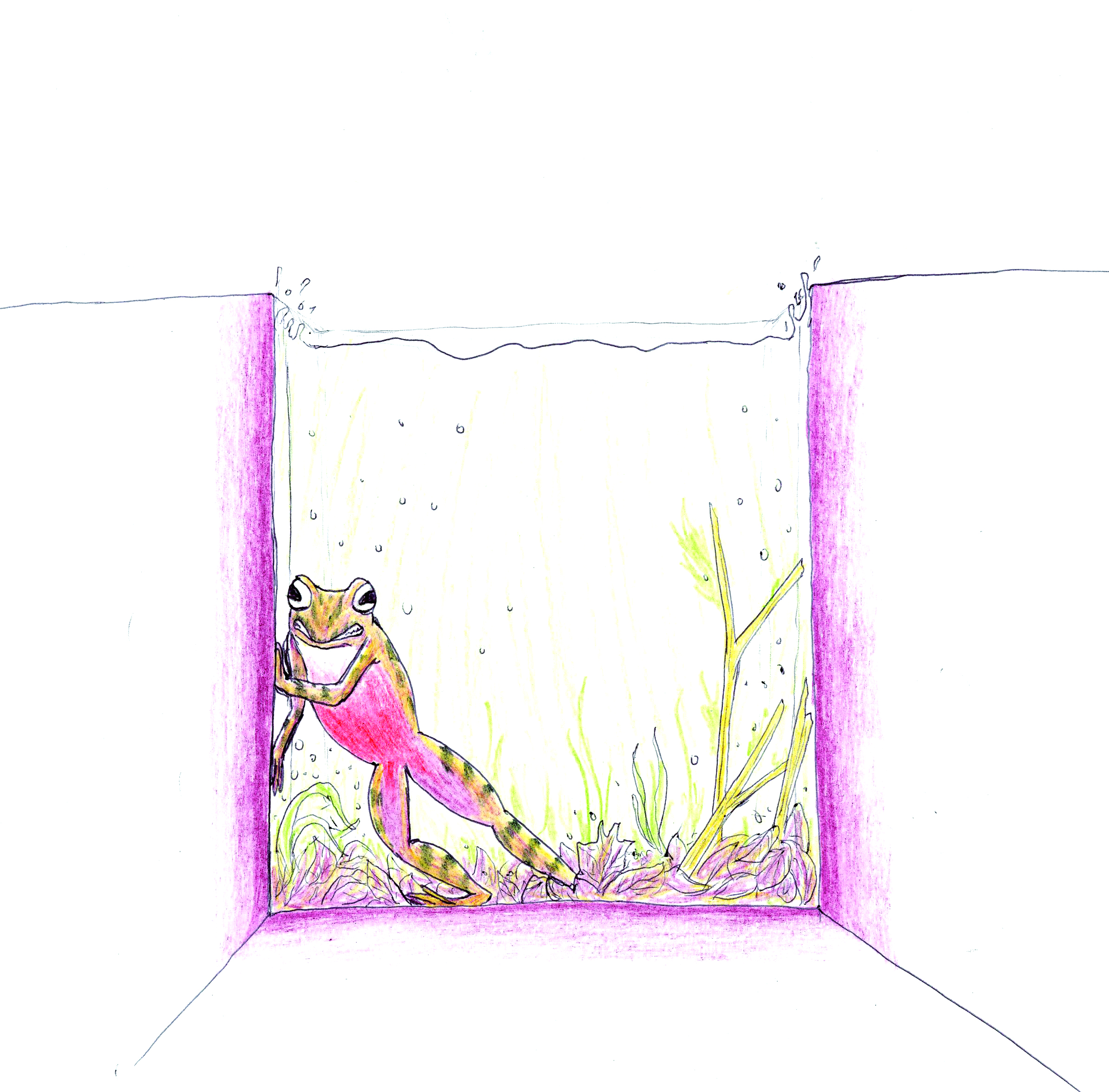
New information warns of increasing survival pressures on amphibian life in the Pacific Northwest as a result of climate change and non-native fish.

SFU researchers Wendy Palen and Maureen Ryan considered the threat climate change poses for these amphibians. Palen, assistant professor of biology and tier two Canada research chair in aquatic conservation, explained, “For natural resource conservation issues, you cannot make the ocean less acidic. You cannot turn down the temperature on something, but in this case it has to do with these different mixes of aquatic habitats.”

According to Palen, “Fish were introduced into these mountainous landscapes and really large lakes. What that means is amphibians and a lot of the native species are restricted to other, more at-risk habitats in the landscape where fish cannot exist.” 

Currently, 95 per cent of lakes in the Pacific Northwest are stocked with non-native fish.

Palen and other researchers from the University of Washington and the University of Notre Dame began their research in US national parks with high elevations, such as Mount Rainier National Park, North Cascades National Park, and Olympic National Park. 

Palen found reason for concern: “We found that stability is likely to change in the future if some large percentage of their habitat disappears because of climate change,” she said.

“Basically, they call it the climate squeeze. If we are squeezed in one direction by fish present and then in the other direction by climate change, then the question is, ‘how much are they going to be left with in the end?’,” Palen explained.

The ponds where most of these amphibians live are going to be 50 to 80 per cent more likely to dry up in the next 50 to 100 years as opposed to present conditions. In essence, “[There] are these shallow ponds and wetlands that you see if you have ever been hiking in these mountainous areas, like a little wet meadow,” Palen said. These may be a site for exploration as fish have difficulty living in them because of the shallow nature of these ponds.

In this climate squeeze, many questions arise about the potential solutions to the problem. “How do we go in and strategically remove fish from these landscapes?” Palen posited.

“Here we might be able to forestall the effects of climate change for these amphibians by removing trout where we think there will be the biggest impact,” she continued. “We can restore some of the large, more resilient habitats and make native wetland ecosystems in the surrounding area more resilient again.”

By removing these fish — which were originally introduced for recreational purposes — Palen hopes to prevent the destruction of amphibian populations.

Bookstore loses half a million dollars

0

After ending the 2013/2014 fiscal year with almost half a million dollars in losses, the SFU Bookstore is looking to new avenues to expand their services while meeting student demand in the technology age.

“We had to eat this burden this year,” said Mikhail Dzuba, manager of the SFU Bookstore. “Here we have a significant year of loss, but at least there is money to absorb that. It’s not like we’re having to make it up next year. Our past year of being successful has allowed us to absorb this as a bump in the road.”

At the end of March, bookstore management discovered that their losses from the year totalled $481,000. This loss resulted from a 10 per cent annual decrease in sales as well as a higher cost of goods as a result of lower prices.

Adding to the financial burden was a year-end shift to a new system of inventory valuation, which will allow management to monitor the financial situation of the bookstore throughout the year rather than discover the inventory’s value at the end of March.

Switching to this new method cost them approximately $171,000, but Dzuba and executive director of ancillary services Mark McLaughlin felt it was worth it. “We made it even worse for ourselves in order to get out of the challenge of never really knowing true information except for once a year,” said Dzuba.

The SFU Bookstore’s situation is not unique in North America, as students turn to more creative solutions such as Amazon, eBooks, and online source textbooks to obtain their course materials. “We’ve gone through the last five years of declining course material and we’re at that apex now where we need to make a change,” said Dzuba. “The crisis is kind of on.”

“We want to embrace the digital world because that’s where we see it going,” explained McLaughlin. “Our mission for the next few years is really to lower the cost of learning materials for students.”

This crisis is manifested in the fact that almost 35 per cent of SFU students surveyed by the bookstore last year said that they do not purchase textbooks at all. Instead, they rely on finding access online or through other means. “Our worry is that [. . .] students aren’t accessing it altogether,” said McLaughlin. “We’ve got to find a way to get learning content to students.”

The bookstore has already attempted to challenge alternative suppliers by reducing prices of used books by 15 per cent, among other things. Dzuba explained, “We did a lot of price matching last year, we did a lot of trying to bring prices down to be equal to what Amazon was, and that cost us business in margins.”

One area in which both Dzuba and McLaughlin see avenues for improvement is custom courseware and textbooks. Said McLaughlin, “We’re looking at much more of that kind of development that allows us to take advantage of some of the most affordable options and blend them together.”

Custom courseware is attractive because it would allow SFU to include discounted — or even free — publications, reducing costs for students. “We see no reason why students should be buying 100 per cent of a book when their professors are only using 50 per cent of the chapters,” said McLaughlin. This option is also desirable from a sustainability standpoint, as course material could be bound on campus instead of shipped from the States.

However, one main challenge of switching to a more customized or online system of material distribution is getting faculty on board. “Faculty wants what is simple,” said Dzuba.

The two are looking to encourage faculty to reuse textbooks or offer the same course material for a number of semesters. “What we’re hoping is that it closes the loop [so] there’s more students who are able to sell their books at buy-back,” explained Dzuba.

Despite the many challenges ahead, both Dzuba and McLaughlin are confident that they will be at the forefront of Canadian universities exploring greater options for course material distribution. Said McLaughlin, “There’s a lot of avenues, a lot of issues, and a lot of solutions.”

Ruff sex is hereditary

0

CMKY-ruffbirds-jerryguoCMKY-ruffbirds-jerryguoruffbirds-jerryguo

From one of the world’s largest ruff aviaries perched atop Burnaby mountain, SFU researcher David Lank has come across a crucial discovery that genetics — not environmental factors — drive courtship and mating practices in these unique birds.

Lank, an SFU research associate and adjunct professor of biological sciences, has spent three decades studying the unique mating patterns of the male ruff bird, a type of sandpiper originally from Finland. These birds, bred by Lank in the aviaries at SFU, are the only known ruffs in North America. 

Lank was originally drawn to these birds because of the mating patterns specific to their species. The males are unique in that they belong to one of three distinct groups, each with their own behavioural patterns in regards to mating. However, unlike most animals, these differences in mating are not a result of their environment, nor a result of different stages of development. Instead, they are a result of genetic variants in the three types of the male ruff birds. 

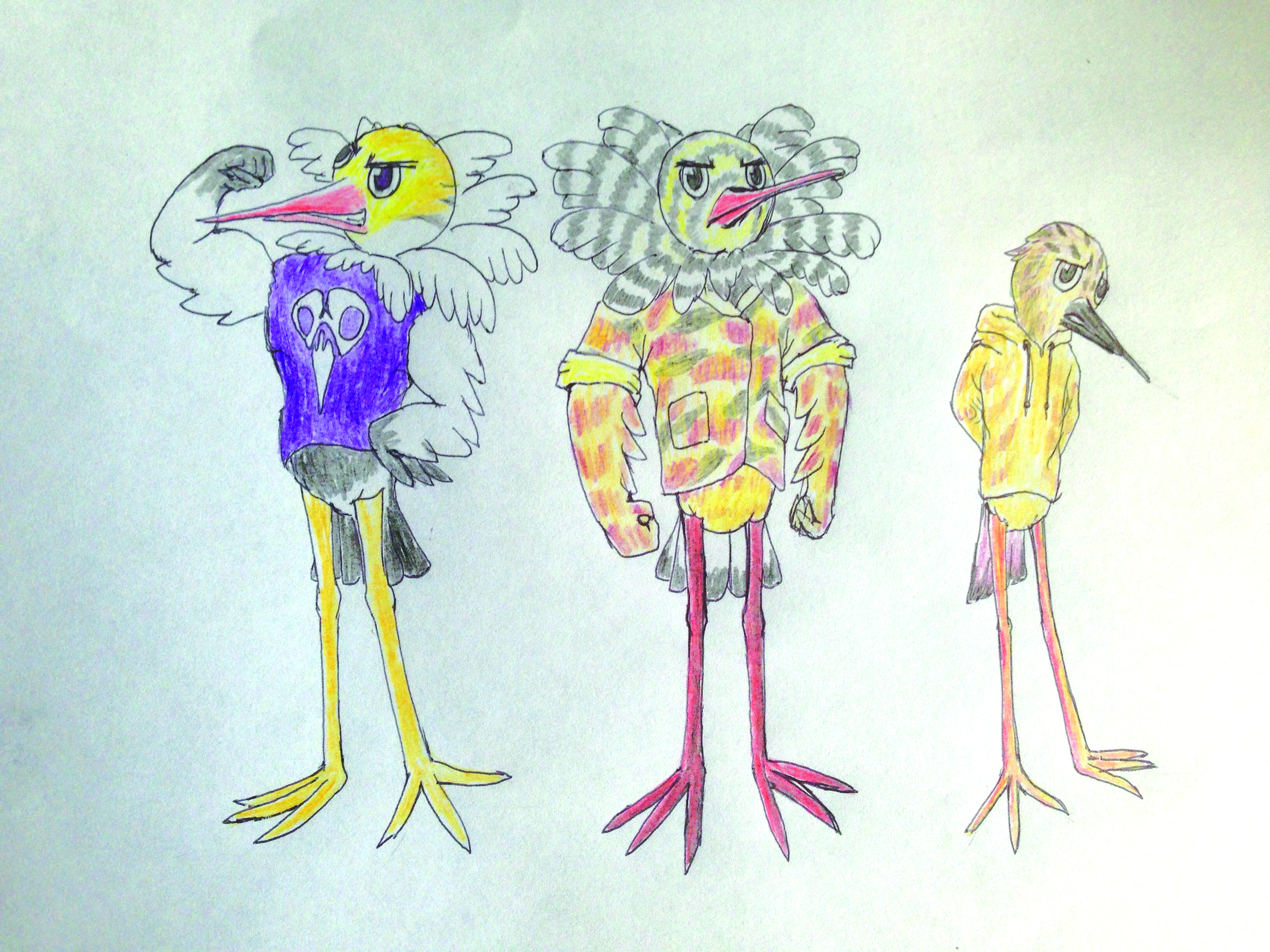
The three types of ruff birds are the territorial, the wingman, and the female mimics. The territorial make up 85 per cent of the population, acting as most birds do when trying to mate; they display their plumage to attract the females, and hope to mate with those that approach their selected territory. 

The wingmen function as their namesake states. They join one of the territorial males, forming a competitive yet helpful alliance to attract the females. However, once a female ruff approaches, the alliance transforms into a rivalry of who can mate with the female first.

Lastly, the female mimics are similar to female ruffs in appearance. They are smaller than the other males, and only form one per cent of the populous. Unable to attract females themselves, they lie in wait by the other males, and try to jump on an approaching female. 

This discovery made about the ruff birds is important because, according to Lank, “major differences in personality [are] attributable to a gene.” In other words, behavioural patterns can be determined before these birds are even born. 

He explained to SFU News, “Ruffs lack developmental plasticity, which means they do not change their mating behavior with social circumstances, or learn from experience.” This has proven very informative to researchers as it proves that behaviour is not always a learned trait, and it is now scientifically proven to be something these ruff birds inherit.

Build SFU presents SUB architectural designs

0

SUB from Freedom Square

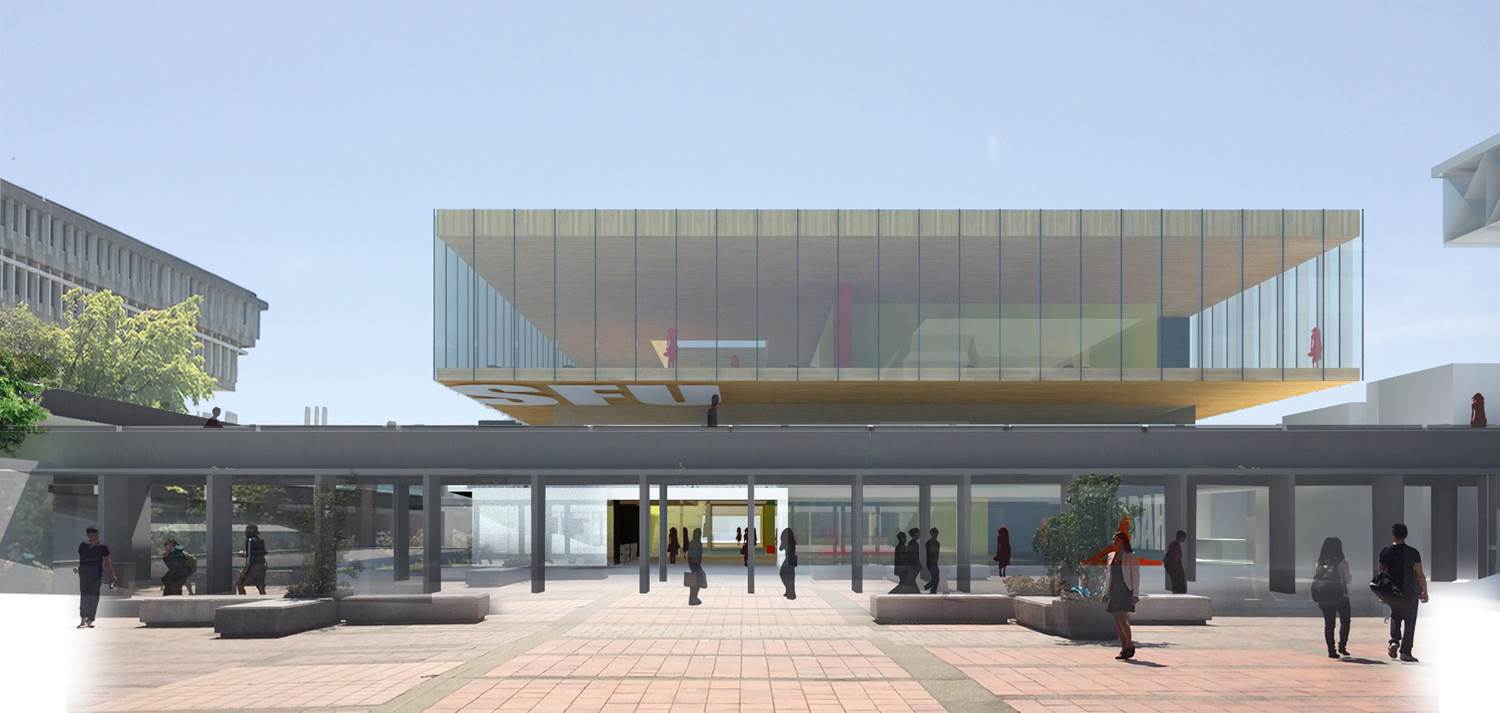
Build SFU held a community update at the Think Tank last Wednesday, where architects Perkins+Will presented proposed exterior designs and floor plans for the future student union building (SUB).

The design selected will be built according to the “Terrace” concept — one of three concepts presented in March. The exterior of this model coincides with the original architectural features of the campus, as devised by Arthur Erickson.

The “terracing” effect — involving staggered patios and levels, inspired by Erickson’s original sketches of the campus — will make the SUB as unintrusive as possible. The design will preserve views of the surrounding environment from existing buildings, such as the AQ, as well as views of prominent locations, such as Convo Mall.

Perkins+Will also took into consideration the shadows that would be cast by the building, particularly into Freedom Square. Their studies concluded that the new structure would minimally affect sunlight reaching the area, especially during the summer months.

In order to create a distinct and identifiable building, the exterior structure will be comprised of, in addition to some concrete, glass, wood, metal, and greenery in the form of roof gardens. The idea is to make the SUB an easily recognizable and transparent “wood-glass box.”

Build SFU intends to make the SUB economically, socially, and environmentally sustainable. The large outdoor terrace spaces are meant to encourage stewardship, and they plan to use durable, local, and recycled materials for the construction of the building. LED light fixtures, renewable energy, and control of solar heat gain are some of the other strategies they hope to implement to achieve LEED Gold status.

The interior of the building will also draw on the notion of transparency with the inclusion of multiple open spaces and large windows. These features will allow multiple levels and areas of the interior of the building to be viewed from a single spot, fostering a feeling of a cohesive community when inside.

The designs presented are still not set in stone. Marc Fontaine, general manager of Build SFU, told The Peak, “General blocks of space are set, but things can still move up till mid June.” Fontaine told The Peak they hope to meet with student groups from now until mid June, and that the Think Tank will be open for other students who have feedback. However, he emphasized that the sooner they receive the feedback from students, the more it will help.

Sections of the interior space have been allocated as office space for student organizations and groups, bookable meeting rooms, group study spaces, dance and music rehearsal rooms, multi-purpose event space, a cafe, a cabaret, a community kitchen, a games lounge, and general student lounges. They also plan to extend the existing SFSS food court in the MBC into the SUB.

Fontaine said that his favourite part of seeing the plans progress is “the fact that the building is really designed to work for students who aren’t very involved on campus or who aren’t involved at all.”

“It’s truly a student building,” he continued. “It’s not an administrative building, and it puts the general student spaces like lounges and general meeting rooms that anyone could book in very obvious and convenient places so that every student could come in this building throughout the years that it exists and know that they can find a place to relax.”


Aggression rises in Surrey panhandlers

7

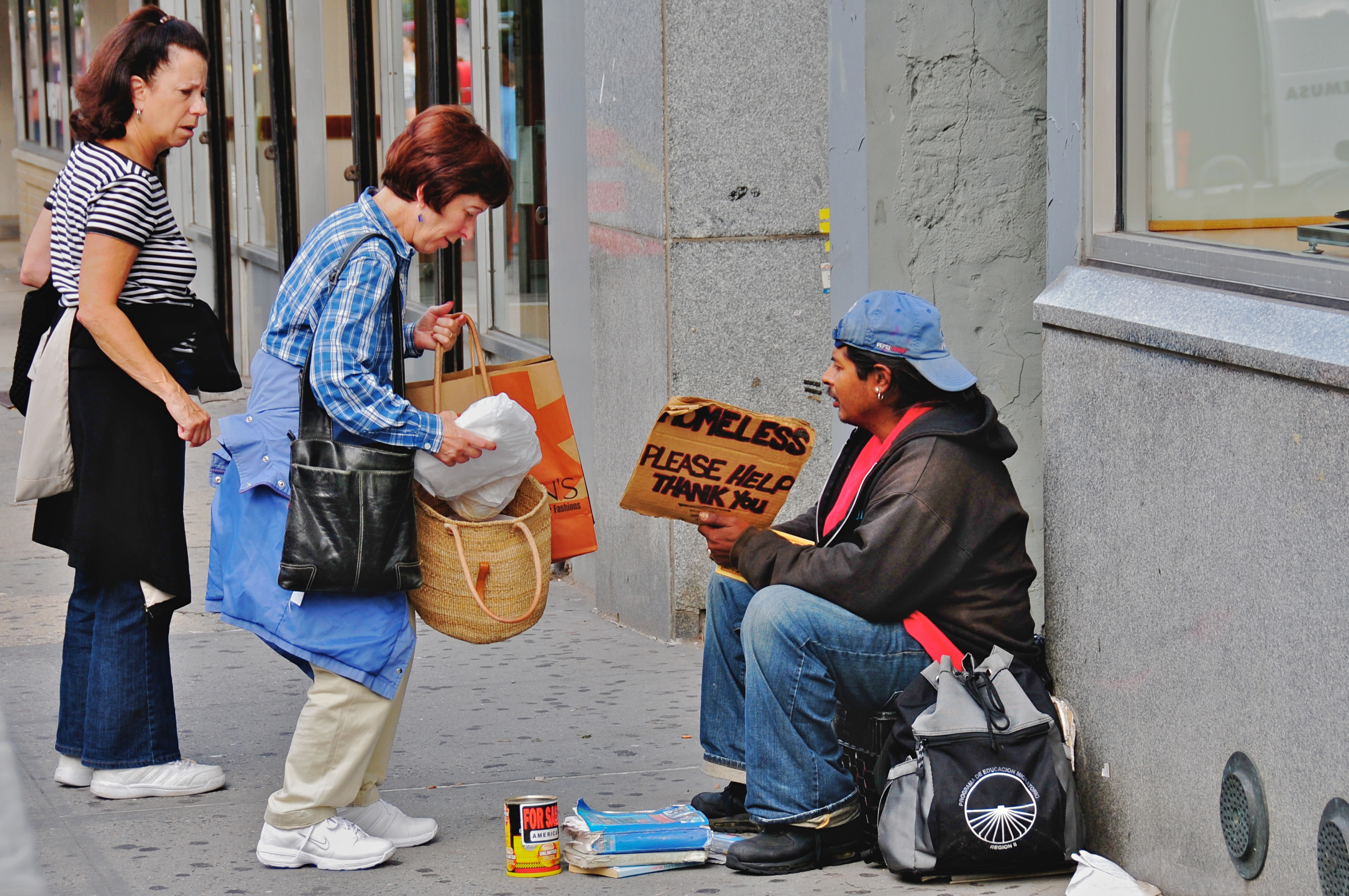
WEB-Panhandeling-Ed Yourdon-Wikimedia CommonsThe downtown Surrey core has been experiencing a rise in aggression from panhandlers. As one of the fastest-growing cities in Canada, Surrey is beginning to experience a level of panhandling that tends to occur in larger cities.

An increased volume of people and more foot traffic in urban areas presents the opportunity for panhandling. The Downtown Surrey Business Improvement Association (BIA) has received numerous reports from businesses that are concerned this trend is detracting from people’s impressions of the neighbourhood and affecting their business.

The organization is now taking action to remedy the problem, employing SFU criminology student, Alex Dibnah, as a summer research intern to look into the matter. “There are people in the community in need,” said Dibnah.

Aggressive panhandling is distinguished by behaviour that causes a person to legitimately fear for their well-being. This can come in the form of making a rude gesture or comment after refusal, or following someone with repeated requests for money.

“It can be an uncomfortable situation for people being panhandled, simply because they do not know how to react. This can be addressed through increased public awareness, which is what we are working on, ” Dibnah explained.

Aggressive panhandling is distinguished by behaviour that causes a person to legitimately fear for their well-being.

As reported in The Province, BIA’s CEO, Elizabeth Model called it “a disruption,” saying that, “When there are panhandlers basically loitering around your business, the perception is not extremely good for inviting customers in.”

Captive audience solicitation — as well as aggressive panhandling — is considered illegal in BC under the Safe Streets Act of 2004; this sort of panhandling involves soliciting people when they are unable to leave, such as at bus stops, ATMs, or traffic lights. People can be issued tickets for this and repeat offenders can be arrested.

Dibnah is collecting data about which areas see more incidents of aggressive panhandling with the aim of gearing initiatives toward those specific places. By reaching out to people through social media, she has learned that people encounter panhandling most frequently in places such as Surrey Central SkyTrain station.

Identifying these “hot spots” will help the BIA target their initiatives. One of their aims is to provide education to the public and to tell people not to give money to panhandlers. The second part of their message is that the better way to help is to give to charities geared towards aiding those in need.

Dibnah will be working on this project for the remainder of her co-op term. She said that her experience so far has been “absolutely fantastic.” She considers herself lucky to have her first co-op placement somewhere she can work on something so closely related to her studies in criminology and that is “right up her alley.

Rob Ford being in rehab vs. still talking about him

3

6201657004_457412698f_b

Woohoo

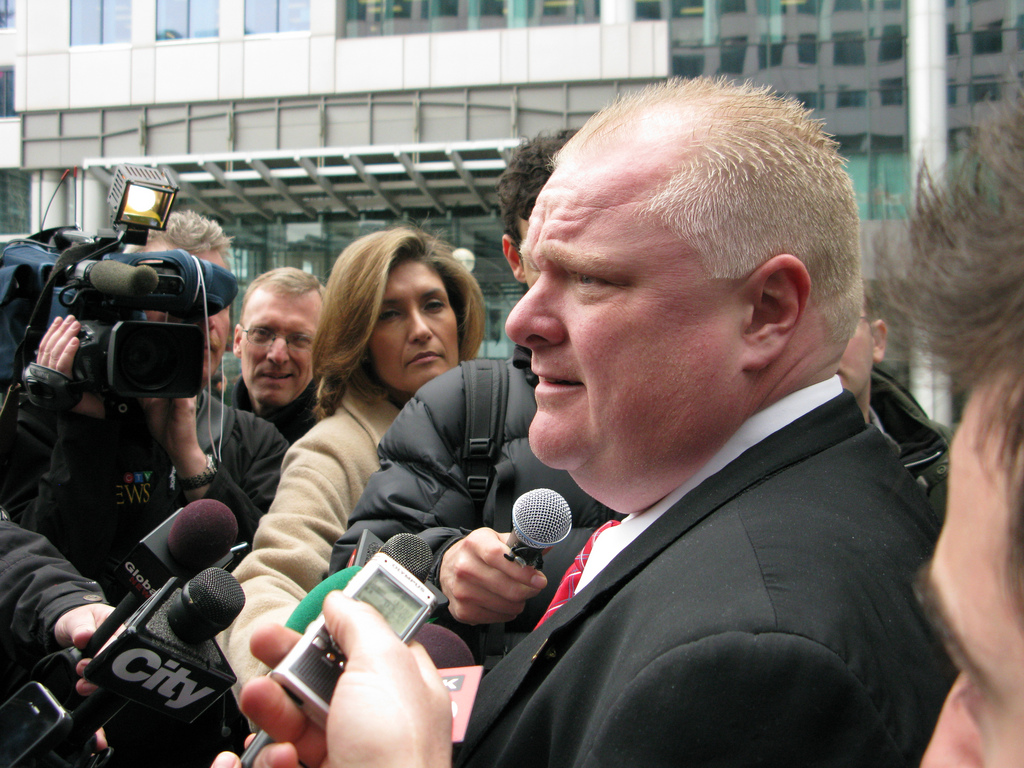
After months, the man is finally where he needs to be. His blatant alcoholism, substance abuse, prejudice, and all out immaturity make it amazing that he was ever even elected mayor of Toronto.

Not only that, he’s caused one of the biggest stirs in our country’s media history, and has likened our political media coverage to the abysmally sad levels of the American celebrity. When a Canadian politician makes SNL’s Weekend Update, described as “when a Canadian stops being polite and starts getting real,” you know this is something we must shake our heads at (although I’ll admit I found the joke funny).

Now, we must celebrate. This adult/troubled teenager has finally accepted his condition and has checked himself into rehab. Now, he will receive the psychiatric help he needs. He and his family will hopefully be more at peace. He won’t receive as much media attention and have his face pointlessly plastered all over the news! But . . .

Boohoo

Earlier in the month, multiple news outlets across the country reported that Rob Ford had been “spotted” in Bracebridge. That’s right, “spotted.” As if rehab has transformed him into some wild, endangered animal that the press is trying to capture.

CBC reported that he was still in rehab, but that being off-property was considered essential to his continuation in the program. A couple cheerful photos of him have surfaced.

While these may or may not be attempts to show the world the supposed progress he’s been making, I’m irritated that the press is seizing every opportunity to headline Ford.

People, give him a break! The guy is in rehab now, so leave him alone. His story has been stretched to the point of exhaustion. Yes, he’s made some bad decisions, but give him the time to peacefully complete his rehabilitation before you, once again, spearhead him with ridicule, and plague readers with so-called “news” they shouldn’t care to read anymore.

Early playoff exits

0

11351672073_4047655cc1_b

Early losses in the 2014 NHL playoffs make for interesting speculation. Although some teams — such as the Dallas Stars and Columbus Blue Jackets — are content with their early bow-outs, they were not expected to be cup contenders and yet made significant progress.

It was shocking to see other teams, such as St. Louis and San Jose, get let off early, as they were expected to contend for the cup, or at least pass the first round.

The Blues are a team that seem built for the playoffs, and dominate the regular season, but when it comes to the playoffs, for some reason they fold.

There does not seem to be much reason for this. They do have some scoring issues, but that did not appear to be the problem this series (also, teams such as the L.A. Kings have certainly cruised to success without much offense).

Perhaps due to injuries on the team and the fact they were facing Chicago, their losses were seen as justified, and the team will remain largely unchanged, at least behind the scenes. Coach Ken Hitchcock has been kept on, with a one-year extension on his contract, and GM Doug Armstrong is still with the team. It is unknown what they will do player-wise, but it is unlikely they will blow up their core.

This lack of change may not be a bad thing either. They still seem like a strong team and their losses can be blamed on luck. With that being said, a dismal performance in next year’s playoffs will probably mean bigger changes. In this light, Hitchcock’s one-year extension could be seen more as a threat than a legitimate vote of confidence.

Blues coach Hitchcock’s one-year extension could be seen as more of a threat than a legitimate vote of confidence.

A 2-0, home game-won lead, like the Blues’, is fairly easy to blow.

But, a 3-0 lead is not, something us Canucks fans know all too well. Yet this is exactly what the San Jose Sharks did and, although it was against the L.A. Kings, it is an inexcusable loss for them. Year after year, the Sharks have been proven playoff chokers, nearly every year being chosen by many to actually win the Stanley Cup only to be knocked off early, always before the finals.

That makes it all the more surprising that, just like the Blues, neither the coach nor the GM of the Sharks will be shown the door. Without firing these two, not too much can be changed. Their constant failure in the playoffs speaks to a problem larger than a few tweaks, making it seem as though the core is the only thing left to change. However, with their regular season success, they probably won’t do something that bold. It seems likely they will not do anything until it is too late, and miss their chance at success.