

By: Niveja Assalaarachchi, News Writer
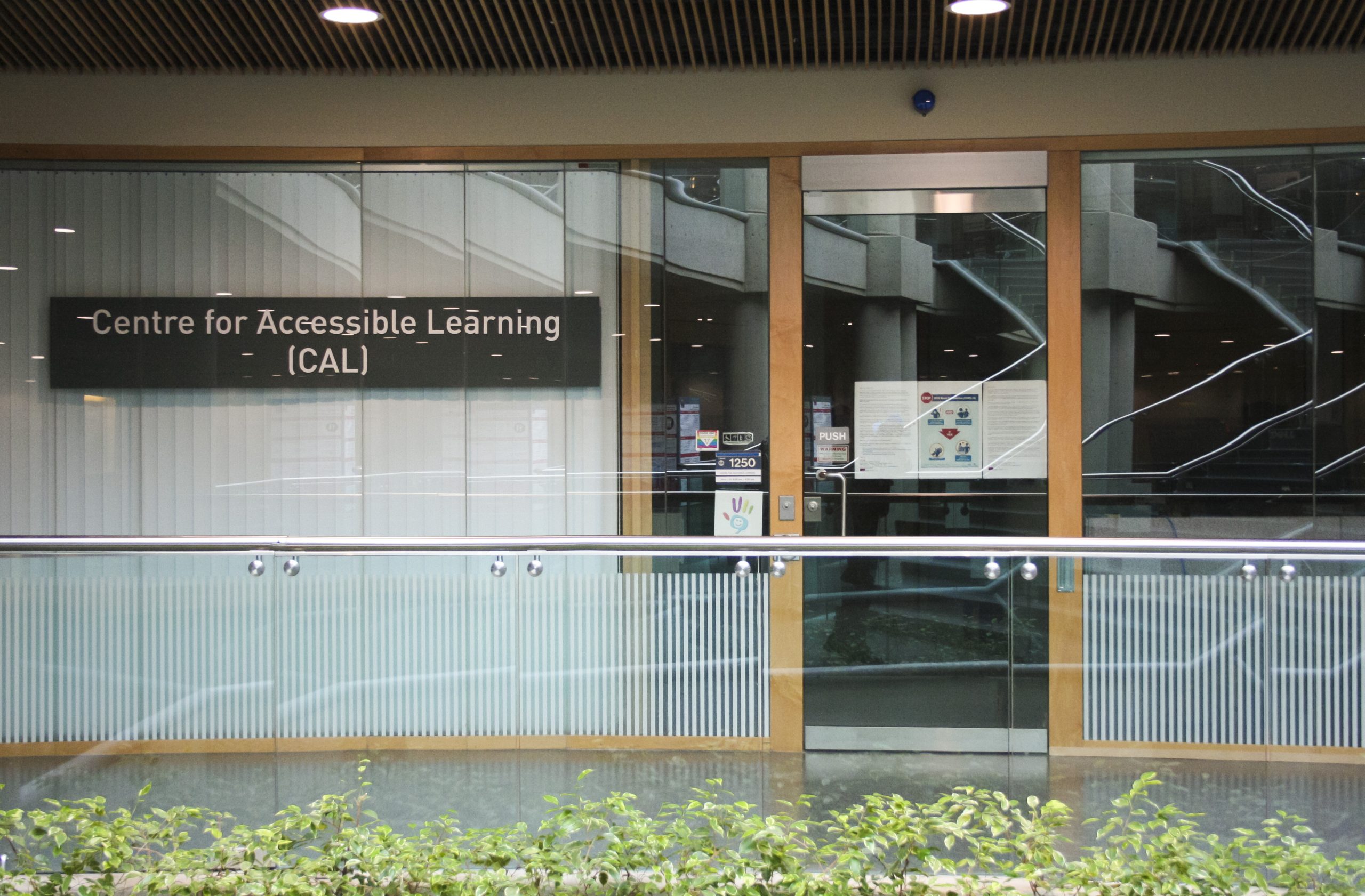
In 2021, The Peak featured an article detailing an SFU student’s attempt to get accommodations at the Centre for Accessible Learning (CAL). The author recounted their experience facing a significant mental health condition and not having enough documentation to register for accommodations. The CAL advisor recommended they withdraw from all classes. The student concluded that they didn’t feel the accommodation process truly helped students at SFU.
Since that time, the process of applying for accommodations has not improved — sadly, even those who have been approved for CAL must navigate consistent systematic demands to receive required accommodations. It is clear that the processes designed to help students actively fail them, even after they get their initial accommodations approved.
Unfortunately, I am also familiar with the bureaucratic nature of CAL. For the better part of three years, the centre has personally helped me with writing all my exams at their offices in the Maggie Benson Centre — by granting me additional examination time. I have also been able to request academic accommodations such as having the right to record class lectures.
However, the process of applying for CAL was a nightmare. It was an overwhelming experience being a first-year student, having to sign a myriad of papers and provide evidence of my need for accommodations. Not only did this process take many weeks to complete, but it required me to pay out of pocket for doctor’s notes to prove my condition. This is despite having an individual education plan in high school which had already established the conditions I had. Not only was the process of getting my accommodations difficult but the process is something that continues to be tough after the fact.
I and many of my fellow students with accessibility issues need to renew these rights manually, each semester. This process, though designed to be seamless through the CAL portal, can be laborious at times. I don’t think I’m alone in the experience of having to chase down my professors, begging them to check their inboxes to see if they’ve received an email from CAL with my much–needed accommodations.
Each quiz, midterm, and final exam must be individually filed via their website. You would think after all of the supposed investments into the university, a more synchronous system would have been established. One which allows students to worry less if their forms are already filled out — alas, that is not the case.
I remember, after a family emergency last year, I had to suddenly change my examination plans and was stressed out because the centre only gives students until a week before the test to file a request.
I am thankful that I, and many other students, get to have academic accommodations that take our unique learning circumstances into account. However, it doesn’t need to be such a hard-fought battle as it is to get those accommodations with little help from others. In my opinion, this speaks to a larger issue facing students with accessibility concerns: most of the time, we are fighting a lone battle, with little guidance, and a whole lot of hurdles — both in education and outside.
Perhaps CAL could make the transition between high school and university easier for students with accessibility needs by processing documentation easier. The university could also make the process for applying for exams and other accommodations more flexible for students.
We are, often, left to advocate for ourselves — navigating a broken system.
We are faced with an education system that is not designed for us, and has historically discriminated against us.
A system that seems hellbent on not wanting to recognize us or making us speak up for our issues. Nearly half a decade on from the aforementioned article, we have yet to scratch the tip of the iceberg in the tremendous struggles that people with accessibility issues face on campus.