

By: Zainab Salam, Opinions Editor and Michelle Young, Co-Editor-in-Chief
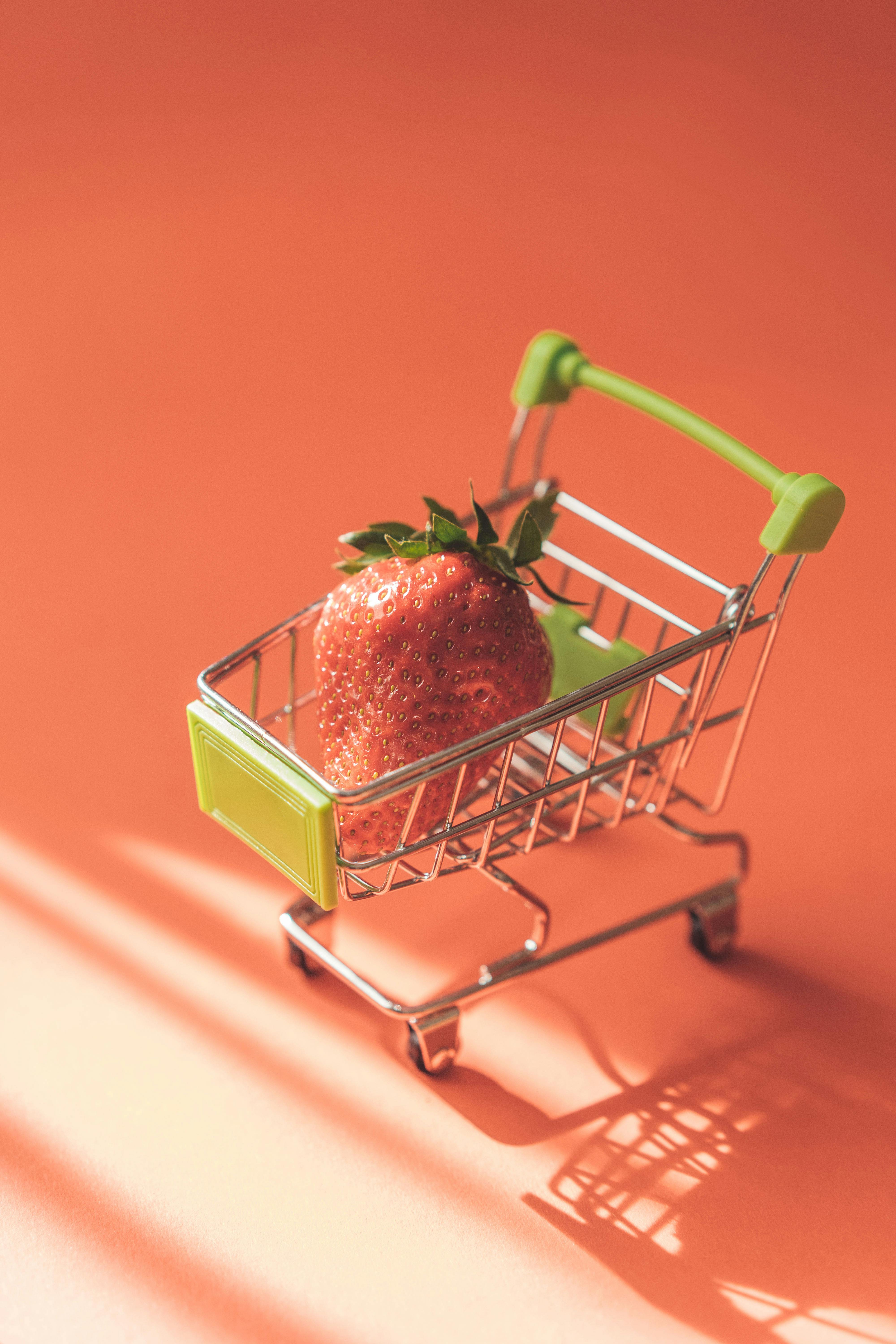
Working in the food service industry, we often receive single-item delivery orders for something easy to make. When that happens, at least one person makes a snide remark regarding the “silly” notion of making such an order. The assumption is that the customer is idle, lethargic, and unmotivated.
But is reality really that simple?
It can be easy to forget how many silent battles people are fighting.
From mental health struggles to caregiving responsibilities, to experiencing mobility issues — so much of life happens behind the scenes, where others are not privy. I mean, should a parent juggling three kids — including a restless toddler — not have access to their pumpkin chai if it helps them enjoy 30 minutes of quiet? To judge someone for what might be deemed unnecessary or frivolous is unfair — it ignores the complex responsibilities that others carry.
I’m reminded of the online discourse that occurred almost a decade ago regarding the environmental harms of precut vegetables and fruits. Many had rushed to condemn buying those products from grocery stores, due to the waste they create. But, the conversation shifted swiftly when people began discussing the necessity of precut products, as they provide those with mobility issues with additional food options. What some saw as convenience, others experienced as access and independence. The lesson to me was: what seems indulgent to one person can be essential for another.
When we consider food or grocery delivery services as unessential, we erase the experiences that deem them as a necessity. For those with chronic health conditions or mobility issues, food and grocery services may be the only way to get nutrients in your body. A 15 minute drive (if you have access to a car) or cooking a meal can be taxing. Some people have argued for the removal of these services entirely, due to the lack of accountability companies like DoorDash and Uber take for their workers and customers. However, that suggestion fails to provide a solution for people who rely on these services. If the argument is that someone who is so disabled they can’t provide for themself should have a caretaker — think of the recent case where a caretaker in BC fed her client only with liquid supplements, subsequently dying of malnutrition as a consequence. Anyone should have both the access and agency to be able to choose their meals, where possible.
In a similar vein, I’ve also seen condemnation of people who use cleaning services. Again, the assumption is that the client is too careless to maintain their home. However, this isn’t always the case. These services can be extremely helpful for people who don’t have the physical or mental capacity to clean. They can be a one-time thing to help get you on track, or an ongoing service to help offload tasks. I myself have struggled keeping a small space clean due to mobility and capacity constraints, so I have a bare minimum checklist of what needs to be done on a weekly basis, and what will have to wait for later. Though the occasional splash of grease on the stove or toothpaste on the mirror is deeply upsetting to me, the thought of potentially hiring someone to help deep clean the oven or bath tub can be seen as part of a necessary network of support. No one wants to live in a dirty home, and provided that workers are paid well and treated fairly, there shouldn’t be anything wrong with hiring someone to help you.
Even instances that aren’t as serious could be a balm to soothe. Maybe the latte delivered to someone’s doorstep is the only small joy they’ve been able to give themselves during a tough week. Maybe that single soup order is going to someone who’s sick and can’t make it to the kitchen, let alone to the restaurant. Maybe that bubble tea is a treat for someone who has just picked themselves up from a depressive episode, and it’s the first thing they’ve been able to crave in weeks. What appears to be frivolous from the outside might actually be comfort, survival, or even self-care.
That perspective is worth carrying into our daily lives. The truth is, we’ll never fully know why someone ordered that one drink or that one snack. But maybe that’s exactly why we should pause before passing judgment. Behind every seemingly frivolous act, there might be a really good reason. Offering others a little more grace doesn’t cost us much — but it can decrease the pressure that others must bear.