

By: Niveja Assalaarachchi, News Writer
In BC, the debate around adopting a different electoral system has been ongoing for two decades. To this end, the New Democratic Party (NDP) set up a legislative committee in April 2025 to examine the province’s transition from the first-past-the-post system to proportional representation.
The committee was one of the many concessions that the NDP agreed to as part of their confidence and supply agreement with the BC Greens following the 2024 election results. Eby’s party achieved a narrow majority in the legislature in that election.
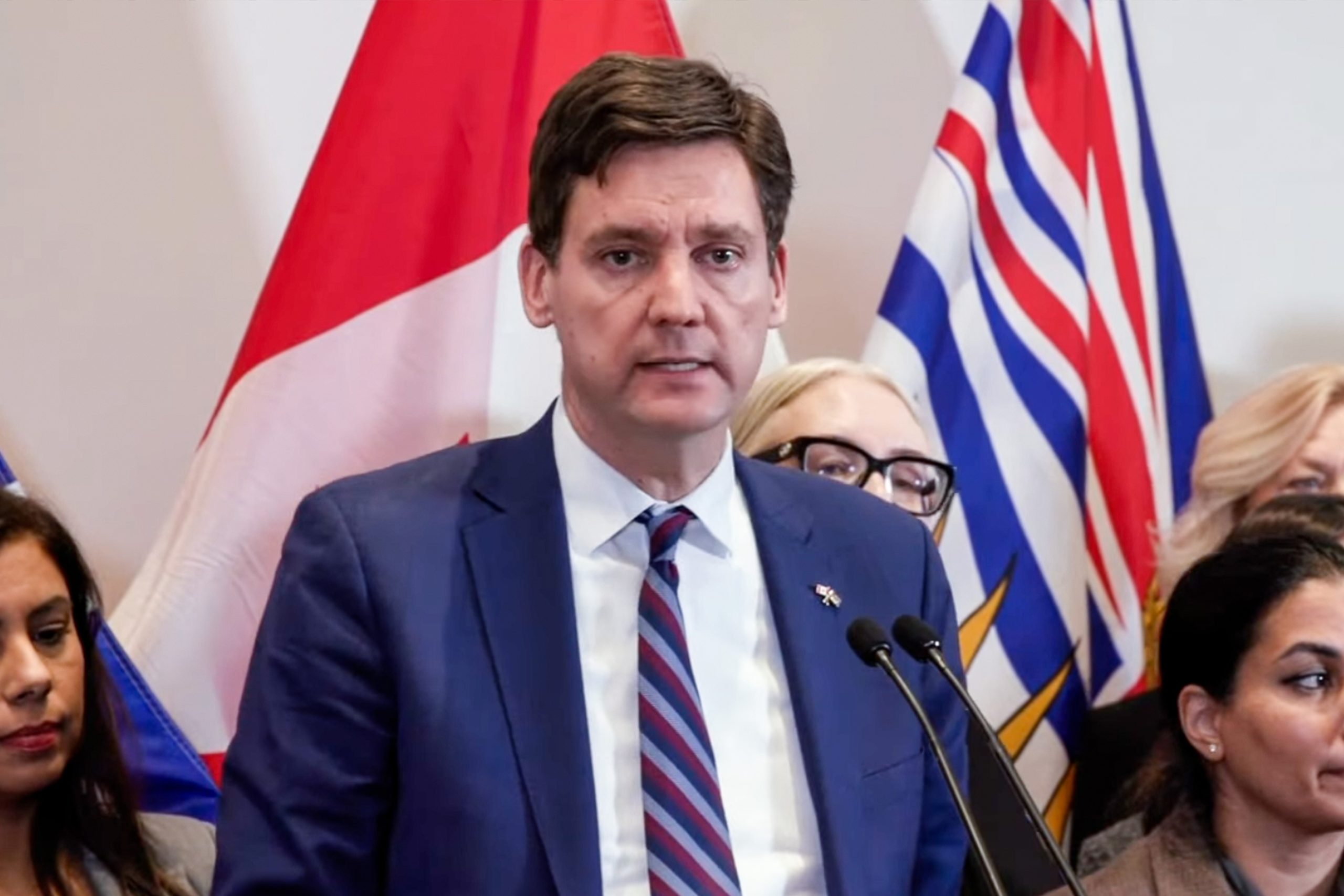
However, in December 2025, the Vancouver Sun reported that Premier David Eby rejected a suggestion to “establish a peoples’ assembly on electoral reform.”
The committee, which received 1,000 submissions of public consultation, recommended the government establish a people’s assembly to look further into the matter. Eby said that he had no interest in reopening it.
The Peak spoke with Nicolas Kenny, a professor of history at SFU specializing in Canadian and BC politics, urban history, and Canadian history, to understand Eby’s decision.
Kenny pointed out that proportional representation was put forward to voters multiple times in recent years, and the latest push would have seemed excessive. The province saw public referendums on the matter in 2005, 2009, and 2018, which saw voters reject the proposal in large numbers. “There’s a sense that that file is closed, and it’s time to move on. I don’t think it’s necessarily closed for good — these things can always reappear in the future, but there doesn’t seem to be much political appetite for it right now,” he said.
The professor also said that Eby’s decision to disregard the Green-backed proposal could indicate a shift in political priorities. “It’s a negotiating tactic with the Greens, a way to say that the issue is off the table for us, maybe there’s other things we can talk about.” He also said the rejection of proportional representation could show that the NDP government sees the Greens’ power in the legislature as “limited.”
As well, with the current trade war between Canada and the US, Kenny mentioned that the government’s focus moved away from topics like proportional representation.
Overall, he pointed out that the reasons for rejecting proportional representation had ties to historical connections following elections: “Proportional representation is used throughout the world and in various democracies. Here in Canada, we sort of inherited the British model of parliamentary democracy, which is based on the first-past-the-post system.”
“When you’ve had a system in place for almost 200 years, it’s hard to radically change it because our system is set up this way, people understand it and are accustomed to voting this way. So, changing something that is so entrenched is gonna be a tall order for whoever decides to bring it up again in the future.”
— Nicolas Kenny, professor of history at SFU