

By: Heidi Kwok, Staff Writer
Content warning: mention of suicides.
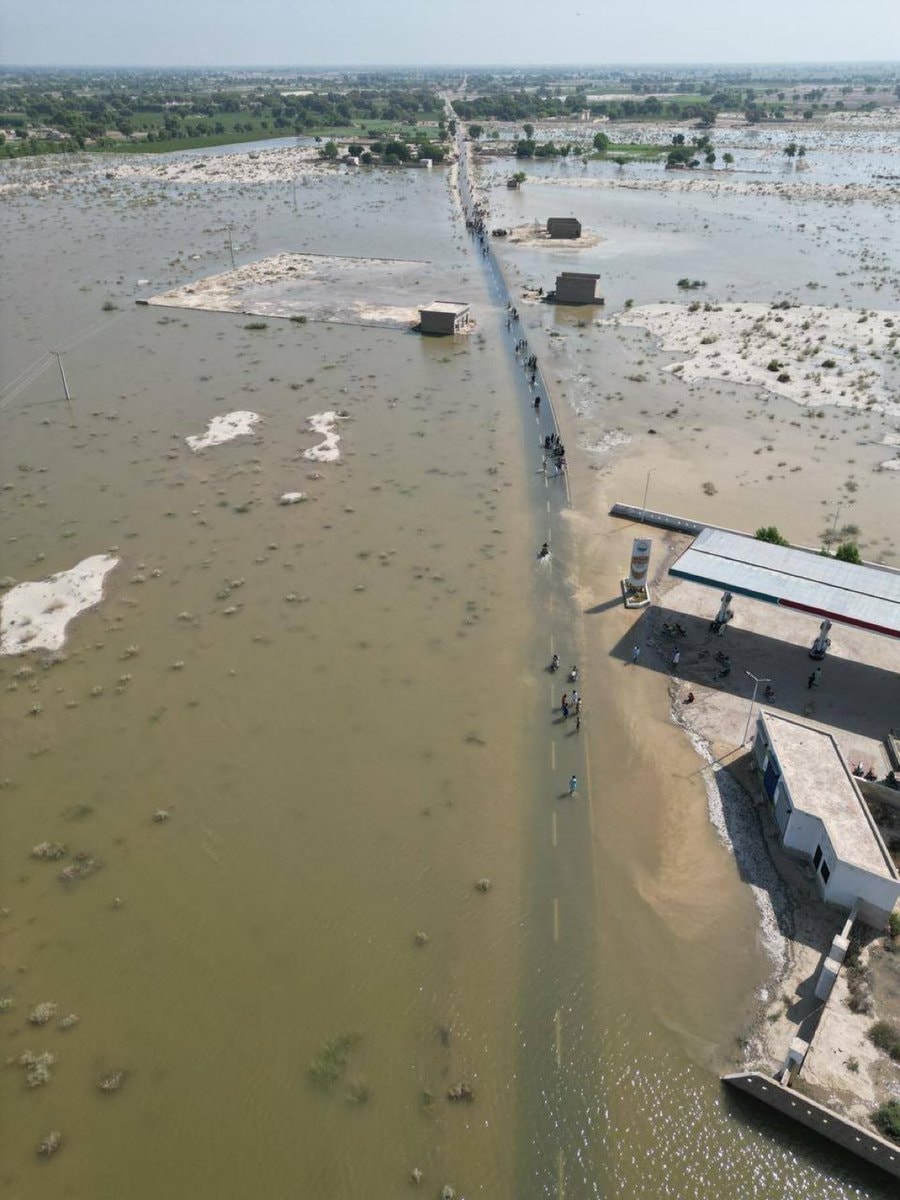
The Indian state of Punjab has been facing severe flooding, the worst since 1988, due to intense monsoon rainfall. As of late June, an estimated 1,900 villages and 400,000 acres of farmland are submerged, and around 300,000 people remain under evacuation alerts. Since August, the disaster has displaced a total of 1.3 million people.
The flooding of agricultural lands was further worsened by overflowing rivers and the Indian government’s decision to release water from overwhelmed dams. In Pakistan’s Punjab province, similar record floods have led to the loss of 118 lives, the displacement of 2.6 million people, and the destruction of 2.5 million acres of crops. The United Nations reported that nearly 1,000 lives have been lost.
The Peak spoke with Vijay Malhotra, president of the SFU Punjabi Student Association (PSA), and Jasnoor Mann, PSA marketing team member, to learn more about how the floods have affected their members. Both members are second-generation immigrants, and highlighted the importance of staying connected to the place where their roots lie through family.
According to Malhotra, Punjab is “the home of wheat and barley for India, and it’s a big part of our culture and our food that we eat throughout the year.
“People lost their houses, lost their livestock and livelihood, essentially. They were uprooted, and they don’t have anywhere to go,” he said. “When there’s no support from outside sources or friends and family because everybody’s dealing with their own specific situation, it’s hard to sit back and watch people that we know be affected by nature that we really can’t control in a sense.”
The irreversible damage to a farmer’s crops — the only source of livelihood for many in Punjab — has led to suicides in Mann’s family. She reflected on other families being torn apart with the passing of their sole breadwinner:
“When stuff like this happens, it’s a crisis occurring in a crisis. So it’s always like, how much more can Punjab take before it collapses?”
— Jasnoor Mann, marketing team member, SFU Punjabi Student Association
Mann cited the flood’s severity as being exacerbated by ongoing political unrest and the government’s mismanagement of river systems, including its failure to adequately address the public’s concerns about existing damage to flood infrastructure. She expressed her frustrations: “Our people [are] always at the end of the stick when it comes to damages.”
On how PSA members are coping during this tragedy while being away from home and family, Malhotra expressed: “It’s been a hard time, I know, especially for some of our team having family back home,” whether that be extended or immediate family, “because communication’s been disrupted through the floods.”
Balancing academics and contacting family makes it “hard for some of our general members and executive members” to participate in the PSA “because they’re so emotionally drained from the event,” he said.
Despite this, both Malhotra and Mann pointed out the strong sense of community and mutual support among members during this challenging period. “The most important thing is getting people together and getting people to talk and make them feel like they’re not alone,” Mann expressed.
Due to limited news coverage on the floods, friends and family serve as the immediate source of updates for PSA members. “Through maintaining these connections, I’ve learned the value of community, the power of resilience, and the importance of showing up for one another — especially in times of crisis like the floods currently affecting the region,” said Malhotra. “It’s a reminder that even from across the world, we can stand in solidarity with our people and make a difference.”
Both interviewees highlighted efforts to raise awareness outside Punjab, including working on a fundraiser for flood relief. The PSA has also been working with Vancouver-based radio station RED FM’s Radiathon and SAF International to process pledges.
If you wish to support flood survivors in Punjab, please consider donating funds to SAF International or Khalsa Aid.